
Pinned

⭐
Nov 3 •
Welcome! Introduce yourself + share a pic
Let’s get to know each other! You can use this simple format: Hey, I’m from ____________. For fun, I like to ______________________. Here’s a pic of my myself or something I like.

⭐
7d •
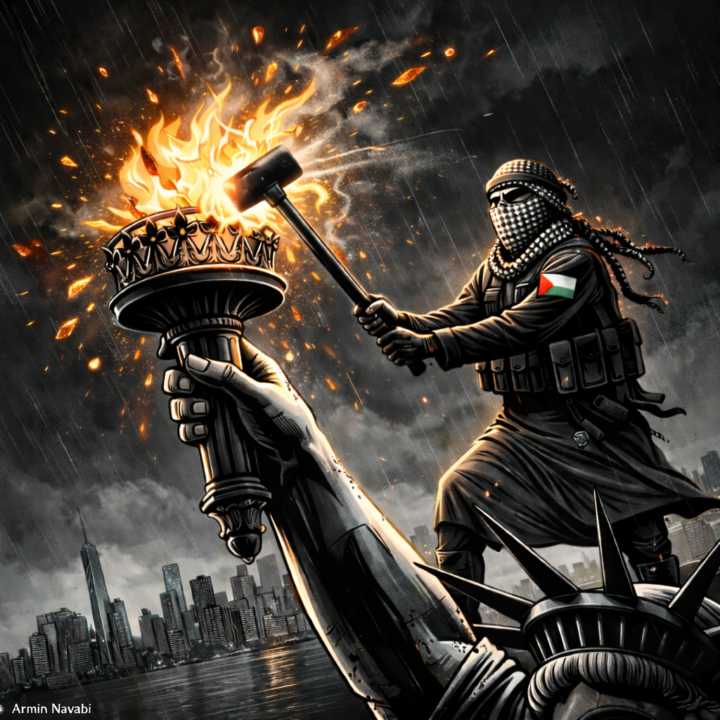
Islam's Divine Mandate: The Conquest of Western Civilization
In many Western countries, concrete barriers now surround Christmas markets to prevent Islamic terror attacks, yet we still refuse to name the threat. These fortifications are the physical architecture of a collision between two incompatible worldviews. The West operates under the delusion that all religions seek coexistence within a secular framework. The theological reality of Islam is different. Islam is a divine mandate for domination.

6m •
Emerging Eastern Mediterranean Alliance: A Firm Stance Against Turkey
On December 22, 2025, a significant moment unfolded in regional geopolitics as the leaders of Israel, Greece, and Cyprus gathered in Jerusalem for their 10th trilateral summit. Prime Minister Benjamin Netanyahu, Greek Prime Minister Kyriakos Mitsotakis, and Cypriot President Nikos Christodoulides came together to sign a joint declaration aimed at enhancing cooperation in security, defense, and military affairs amidst rising tensions with Turkey. This strengthened alliance is a direct response to Turkey's assertiveness in the Eastern Mediterranean, which includes contentious gas drilling activities in Cypriot waters and aggressive maritime claims. Netanyahu delivered a pointed message, cautioning those with ambitions of "reestablishing empires" to rethink their plans. Leaders also discussed the establishment of a joint rapid-response force to safeguard critical infrastructure. At the heart of this partnership are energy ties, particularly the advancement of the Great Sea Interconnector project for electricity grids and offshore natural gas initiatives, with the support of the U.S. within the "3+1" framework. Furthermore, military agreements signed in Nicosia focus on the use of drones, electronic warfare capabilities, and the sharing of intelligence gained from recent conflicts. While Balkan nations are not officially part of this alliance, Greece’s NATO role and influence in the region significantly enhance the bloc's deterrent capabilities. This partnership not only aims to promote stability and sovereignty but also sends a strong message: united, these democracies are prepared to stand against any revisionist threats.
1
0

1-30 of 698

skool.com/libertypolitics
Talk politics with others who care, in live calls and community posts. Share your views, ask questions, or just listen in.
Leaderboard (30-day)
1
+528
2

+271
3

+196
4

+178
5

+165
Powered by