
Write something

Mar 5 •
Why Tutorials Matter in Helping Children Become Independent Learners
In today’s fast-changing world, children are surrounded by information everywhere — from school lessons to online resources. But information alone does not guarantee understanding. What truly helps children learn is guided support, and this is where tutorials become powerful. A tutorial is more than simply repeating a lesson. It is a focused learning experience where children receive guidance, strengthen their understanding, and build the confidence to solve problems independently. For young learners especially, tutorials can make a significant difference in how they understand and enjoy learning. 1. Tutorials Provide Individual Attention In a classroom, teachers support many students at once. Tutorials allow children to ask questions freely and receive explanations tailored to their pace and learning style. This personalized support helps address learning gaps early. Research from UNESCO highlights the importance of personalized learning approaches in improving student understanding and engagement. 2. Tutorials Build Confidence When children fully understand a concept, their confidence grows. Tutorials provide a safe learning environment where students can practice, make mistakes, and improve. Educational studies from Harvard Graduate School of Education emphasize that supportive learning environments play a crucial role in developing students’ confidence and academic growth. 3. Tutorials Encourage Independent Thinking Effective tutorials guide students to think critically rather than simply providing answers. When children are encouraged to explore solutions on their own, they begin to develop problem-solving skills and intellectual curiosity. Learning experts at Edutopia note that guided instruction and differentiated teaching help students develop deeper understanding and independence in learning. 4. Tutorials Strengthen Learning Habits Consistent tutorial sessions also help children build important habits such as focus, discipline, and responsibility toward their studies.
0
0
Feb 14 •
🌱 The Power of Daily Conversations With Our Children 💬👩🏻🏫🏡
As parents balancing work and home life, we sometimes focus so much on routines, worksheets, and activities… But one of the most powerful learning tools? ✨ Daily conversations. Simple, intentional conversations build: 🧠 Language development 💙 Emotional security 🌱 Confidence 🤝 Strong parent-child connection You don’t need a perfect setup. You don’t need long lectures. You just need presence. 💬 Simple Daily Conversation Starters Try asking: 👉 “What made you smile today?” 👉 “What was a little hard for you today?” 👉 “What did you learn or discover?” 👉 “How can Mommy help you tomorrow?” Even 10–15 minutes of focused conversation makes a big difference. When children feel heard, they feel safe. When they feel safe, they learn better. 🌸 For Work-From-Home Parents If you’re working (like many of us here 🫶🏼), you can: 🌿 Talk during snack time 🌿 Chat while folding laundry together 🌿 Have a short bedtime reflection 🌿 Ask questions during car rides Learning doesn’t only happen at the table. It happens in connection. 💙 Reflection for Our Community Let’s share below: 👉 What is one question you ask your child daily? 👉 What is something surprising your child told you recently? Small conversations create big growth. Progress over perfection, always 🌱✨ 🦋 You are doing better than you think.
Feb 10 •
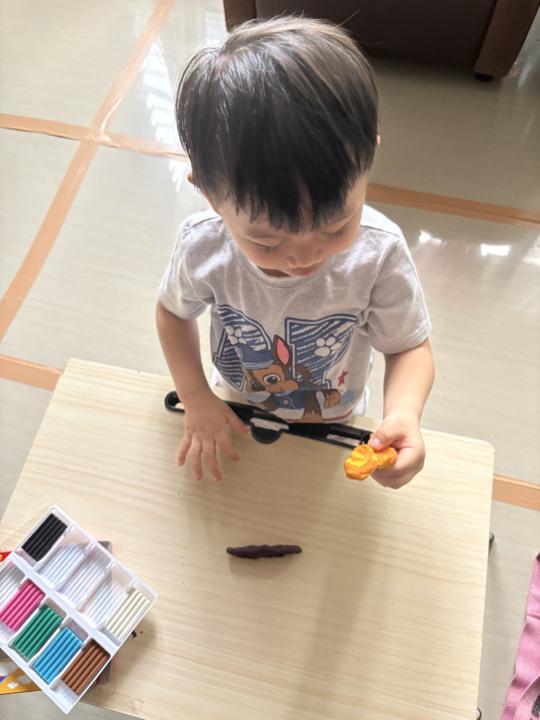
🎨 Play Dough = Powerful Fine Motor Skills Practice ✋✨
One of our favorite (and easiest!) fine motor activities at home is playing with play dough. It may look like “just play,” but here’s what it actually helps develop 👇 🌱 Hand strength 🌱 Finger control 🌱 Coordination 🌱 Pencil-holding readiness 🌱 Focus and patience Simple ways to use play dough at home: 👉 Roll it into balls or snakes 👉 Pinch, squeeze, and flatten 👉 Cut using child-safe scissors 👉 Form letters or simple shapes 👉 Hide small objects and let your child dig them out ⏱️ Even 10–15 minutes a day is enough. Small, consistent activities make a BIG difference over time. 🩵 Reminder for parents: You don’t need fancy materials or long lessons. Play is learning — and progress matters more than perfection. ✨ Question for you: What fine motor activity does your child enjoy the most at home?
4
0
Feb 9 •
📚TIP: Keep Home Learning Routines Simple
You don’t need a strict schedule or a full-day plan to support your child’s learning. What children need most is consistency, not long study hours. ✨ Try this instead: - Pick one regular time each day for learning - Keep it short (15–30 minutes is enough) - Focus on one task at a time - End with encouragement, not pressure Even a short routine done consistently helps children feel safe, confident, and ready to learn. 🩵 Remember: A calm parent + a simple routine = better learning. 💬 Let’s talk: What time of day works best for your child’s learning—morning or afternoon?

1-4 of 4
skool.com/home-learning-for-wfh-parents
Helping WFH parents support their child’s learning with teacher-guided tips, resources, and routines.
🏡📚 Turning Home into a Learning Environment.
Powered by