
Pinned
🍀
⭐
9d •
4 day Magnetic YOU Challenge starts Aug 4th! grab your free spot
it's official! we are running a free 4 day Magnetic Letting Go challenge! if you have not done so yet do it here! it is needed to get all the information including the zoom links! https://themagneticchallenge.com/ I’m excited you’ve decided to join me for this transformational 4 day challenge where we are going to be letting go of old patterns, shifting your vibration and wiring in a new magnetic version of YOU! to attend the challenge be sure to read this post in full and follow the 4 easy steps: Step 1: Mark your calendar The challenge kicks off on Tuesday August 4th at 10am PT/ 1pm ET We’ll meet LIVE on Zoom each day for powerful, identity shifting training sessions that will last for about 2 hours the zoom link for all 3 sessions will be emailed to you! You can see what time the challenge starts in your local time zone by using the calendar tab inside this community. Step 2: Text me for updates and easy access to the zoom link Want reminders, special announcements, and updates before we go live? Text "Shift2026" to +1 (424) 304-0104 to get reminders before we go live and special updates throughout the 3 days! Step 3: Introduce yourself to the High Vibe Tribe as a comment response to this post We’re in this together as a high vibe community! I would love to know a little bit about everyone who’s participating, so go ahead and make a post introducing yourself In your post you can share: - Your name - Where you’re located - And what is your intention of this challenge Step 4: Start the shift into the new version of you Prepare for the 4 day challenge by starting with the meditation below: https://youtu.be/KKrPqB59kg0?si=lAzOK2HOe9k9c9Qc This will help you start to energetically shift into a new version of you! I’m excited to see the transformations we’ll create together over these 4 days! Much love, Aaron
Pinned
🍀
⭐
Jan '24 •
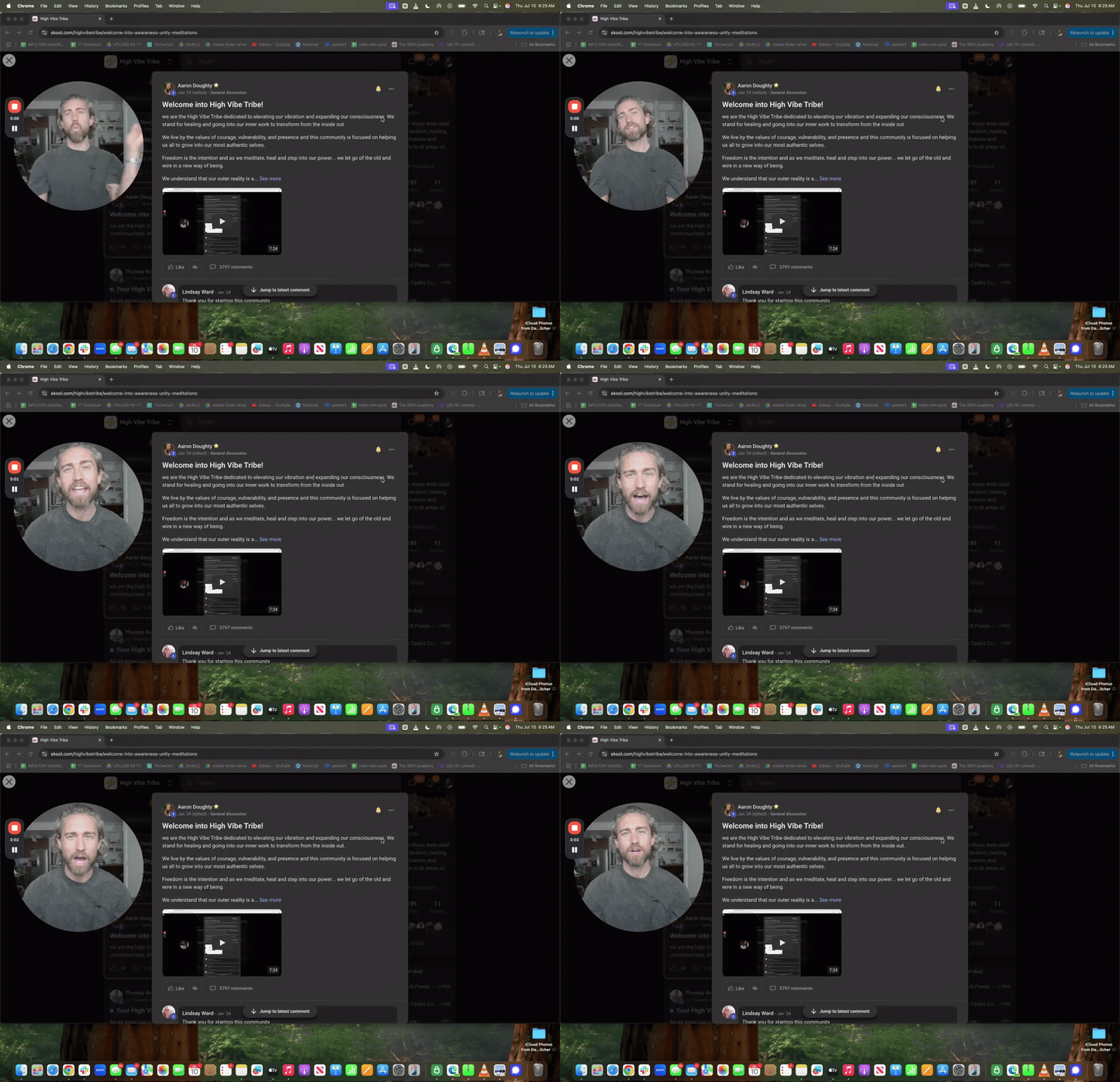
Welcome into High Vibe Tribe!
we are the High Vibe Tribe dedicated to elevating our vibration and expanding our consciousness. We stand for healing and going into our inner work to transform from the inside out. We live by the values of courage, vulnerability, and presence and this community is focused on helping us all to grow into our most authentic selves. Freedom is the intention and as we meditate, heal and step into our power... we let go of the old and wire in a new way of being. We understand that our outer reality is a refection of our inner reality and rather than blame the outside or try to fix it, we look at ourselves and let go of parts of ourselves attached to the beliefs, patterns and past "familiar" energies keeping us locked in the past. When you go through a spiritual awakening many feel like the lone wolves in their family. This community is a way to connect with other people like you… dedicated to healing the past, spiritual growth, and creating their dream life. This is not about surface level change or thinking better thoughts… it’s about doing the inner work, looking at subconscious parts most people avoid (the shadow) and creating inside out transformation. There are some Rules for this community to keep it a safe space… 1. Absolutely no selling or promoting other groups/events. This includes directing messaging other members. Members who break this rule will be banned from the group. 2. Posts should either add value and be well thought out. Lets create a high vibe, supportive community section 3. No posting “who else lives in New York?” Etc these will be deleted as if everyone posted them the group will be flooded with it. if you want to learn how to see who lives in your city I share in the video below 4. Be supportive and accepting of other people. Like posts, support other people and encourage them.

21h •
The Full Moon🌕
When I’m happy, I look at the Moon... When I’m sad, I look at the Moon again. I know every full moon has many stories behind it, But I prefer to simply pause, look at its beauty and silence...🌙 I’m curious🌕 When you look at the Moon, what feeling comes up for you? Has there ever been a moment when looking at the Moon brought you peace?

7d •
Honest question...🧠
What do you do when life hits hard, and everything seems to be going against you? I'd really like to hear how other people handle those seasons. The last two weeks have been some of the toughest I've had in a while. This weekend, my mind has been stuck in overdrive with stress and overthinking. It's been hard to focus, hard to work, and hard to feel free. Right now, it honestly feels like I've been on a two-week losing streak without a single win. I'm not looking for sympathy—I'm looking for perspective. What helps you get through the tough times? Is it getting outside, staying busy, talking to someone, faith, exercise, or something else? I'd genuinely appreciate hearing what has helped you.
🍀
⭐
4d •
I went on Lewis Howes podcast! 👀
I went on one of the biggest personal development podcasts in the world recently and today the video went live! We went for over 2 hours and went DEEP on detachment, inner child healing and creating identity level transformation For years I thought it would be fun to go on his podcast and it's cool that it finally happened! I’ll be honest… After I went on I had a vulnerability hangover and thought maybe I shared “too much” lol Like I went deep on some esoteric stuff and knowing how big his podcast is I thought maybe it would be too “out there” for some people who listen However I think now is a time on the planet for this kind of information to go more mainstream so overall I embrace it! Lol The video just went live a moment ago! Can you do me a favor? Can you check out the video here and leave a comment? Here it is… How to become so magnetic you are unrecognizable https://www.youtube.com/watch?v=7oQStXGx49Q Hope you have a great day! Much love, Aaron Doughty P.s also I am doing a free 4 day Magnetic YOU challenge for embodying detachment, feeling safe in your body and shifting your inner identity… do you want to join? Starts aug 4th and you can join here
1-30 of 37,421

skool.com/highvibetribe
a community for those dedicated to raising their vibration, healing, letting go of limitations and creating freedom in all areas of life
Leaderboard (30-day)
1
🔥
+2167
2
🔥
+1086
3
🔥
+863
4
+497
5
🔥
+307
Powered by