🔥
Preparing For Games & Training In Hot Weather
The best way to prepare, especially a young goalkeeper, for hot weather is to start a structured hydration strategy 24 hours before the match, manage their body temperature during play, and adjust their specialized gear to prevent overheating.
Goalkeepers face a unique challenge in the heat. They stand still for long periods, wear heavy protective clothing, and must maintain intense mental focus.
1. The 24-Hour Hydration Schedule
Hydration cannot be fixed on the morning of the match; it must begin the day before.
- The Day Before: Have the player drink extra water throughout the day. Their urine should look like pale lemonade, not apple juice.
- 3 Hours Before Kick-Off: Give them roughly 300ml to 500ml of water. This ensures they start the game fully hydrated without a heavy, sloshing stomach.
- During the Match: Aim for 150ml to 200ml of fluid every 15 to 20 minutes. Do not wait until they feel thirsty.
- The Fluid Mix: For matches in extreme heat or sessions lasting over an hour, swap plain water for an electrolyte drink or a diluted sports drink. This replaces the essential salts (sodium and potassium) lost through sweat.
2. Specialized Kit Modifications
Goalkeeper kit acts like insulation. You must modify it to let heat escape.
- Ditch the Padded Trousers: Swap thick, padded trousers for lightweight, breathable goalkeeper shorts. If they need impact protection, use base-layer compression shorts with built-in hip padding underneath.
- Pre-Wet the Gloves: Pour cold water over the latex palms of their goalkeeper gloves before the warm-up and at half-time. This keeps the latex soft for a better grip and cools their hands down.
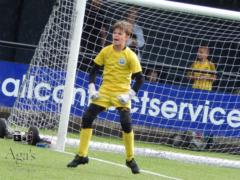
- Wear Light Colours: Avoid the traditional black or dark grey keeper jerseys. Opt for a neon yellow, green, or white jersey to reflect the sun's rays.
- The Cap Rule: If the sun is directly in their eyes, have them wear a lightweight, breathable sports cap. Take it off if the sun moves behind the stand or clouds to let heat escape from their head.
3. Match Day Heat Management
Because goalkeepers experience long stretches of inactivity, you must actively keep them cool when the ball is at the other end of the pitch.
- The Squirting Technique: Keep a squeeze bottle of plain, cold water next to the goalpost. During breaks in play, the goalkeeper can squirt cold water onto the back of their neck, wrists, and forehead. This stimulates cooling receptors and lowers their perceived body temperature.
- Aggressive Half-Time Cooling: At half-time, get them out of the sun immediately. Remove their gloves, cap, and jersey. Place a cold, damp towel around their neck and shoulders to rapidly lower their core temperature.
- Shade Strategy: Remind them to stand in the shadow of the crossbar or goalposts whenever the ball is deep in the opponent's half.
4. Mental and Physical Warning Signs
Heat exhaustion drains a goalkeeper's mental focus long before they collapse physically. Because they are not running as much as outfield players, coaches and parents often miss the signs.
Watch for:
- Slower reaction times or uncharacteristic dropping of easy catches.
- Irritability, confusion, or a lack of communication with their defenders.
- Dizziness, headaches, or complaints of goosebumps on hot skin.
18
13 comments
Preparing For Games & Training In Hot Weather

skool.com/goalkeeper
Helping football goalkeepers become professional keepers or gain a college scholarship. We have been helping keepers and parents since 1998.
Leaderboard (30-day)
1
🔥
+11934
2
+5422
3

🔥
+5007
4

+4260
5
🔥
+4113
Powered by