Activity
Mon
Wed
Fri
Sun
Aug
Sep
Oct
Nov
Dec
Jan
Feb
Mar
Apr
May
Jun
What is this?
Less
More
Memberships
The Lazy Dinner Club
118 members • Free
Educational Creators
509 members • Free
Disentangled
42 members • Free
Oasis Builders
139 members • Free
Skoolers
168.3k members • Free
12 contributions to Oasis Builders

1 like • 26d
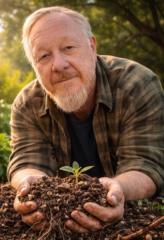
My garden is small. I hand water 💦
🔥
May 13 •
Herbs & Spices
Many of us use herbs and spices every day without thinking much about it. Some are added for flavor, some for comfort or wellness, and many quietly do both. A lot of traditional food cultures never fully separated food from home care. Garlic, cinnamon, ginger, mint, oregano, thyme, turmeric, rosemary, basil, and cayenne can all sit in that middle space between kitchen, garden, and body support. What herbs or spices do you use almost every day? Which ones are growing in your garden currently? Which ones feel most connected to home, family, or health?
Poll
19 members have voted
5 likes • May 14
I have rosemary and lavender, onions, garlic, these things grow while other things struggle in my London garden. 🪴
Apr 26 •
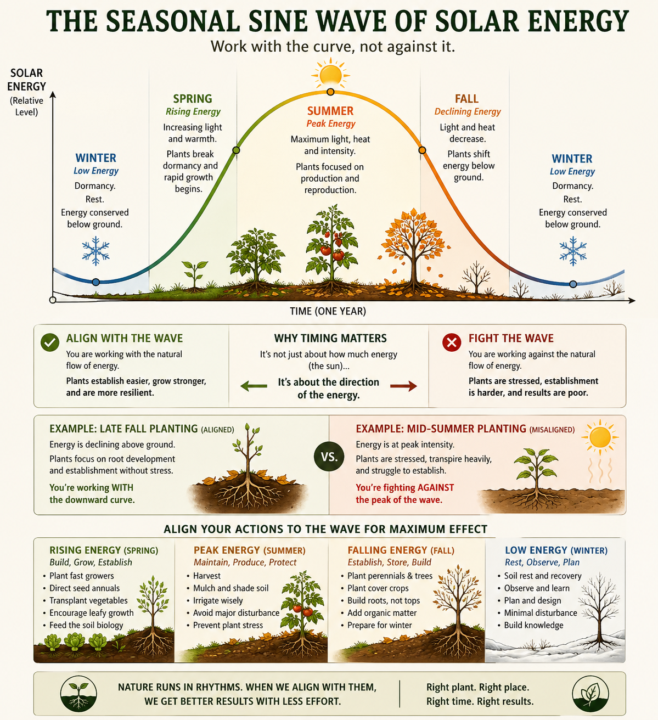
The Rhythm Behind the Seasons
Most of us think about planting in terms of calendar dates—but nature doesn’t run on a calendar. It runs on energy. If you zoom out, the seasons follow a pattern—a rise and fall of solar energy, almost like a sine wave: - Winter → low energy, rest - Spring → rising energy, growth begins - Summer → peak energy, stress + production - Fall → declining energy, root development The key isn’t just how much energy there is—it’s the direction it’s moving. That’s why timing matters so much. Planting in late fall works because you’re aligning with the downward curve. The plant isn’t fighting to grow above ground—it’s quietly establishing roots. Planting in mid-summer does the opposite. You’re trying to establish during peak stress, when plants are already working at their limit. Same plant. Same soil. Different timing → completely different results. When you start aligning your actions with the natural rise and fall of energy, things get easier, not harder.
1 like • Apr 28
Awesome 😊
Apr 25 •
New project
The land behind my wife's restaurant is crying out to be developed, in the past it's been home to caravans, a donkey, two or three sheep and a couple of ponies. I tried a few years ago planting trees and almost all were destroyed by red deer. If anyone is interested I could document and photograph the progress, the advantage for me being a push to make a start and a consistently good progress, and also posting here is opportunity to get peer opinion and feedback. A controlling hand to stop me being distracted, perhaps notice mistakes before I do, and encourage , it's improvement and as it's developes will motivate everyone at the same time . It's likely to take a whole year, so far I have just cut the grass once with a brush cutter. Next steps include; 1.Cleaning the site. 2.Measurements, orientation, assessment of the soil and site .Then to prioritize its role/function. 3.Making a plan and basic design. 4. Marking out and breaking soil/or adding compost and amendments. 5.Sourcing plants cuttings and seeds. 6. Planting and collecting/adding mulch. Interested in peoples thoughts and if this would be a useful input/ information.
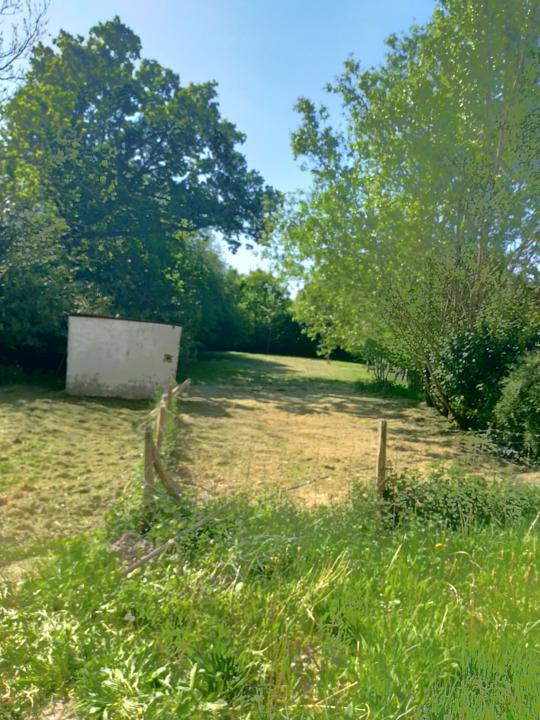
2 likes • Apr 26
Oo. Untouched space. What a wonderful challenge 😊
🔥
Apr 20 •
Permaculture, Polyculture, and Guild
What do all these words mean? Let's discuss... I see permaculture not just as a planting scheme, but a design system that mimics patterns and relationships found in nature. Permaculture attempts to arrange land, water, plants, animals, paths, light, work, and timing so all the pieces augment each other. The goal is over time is to provide less outside input with increased sustainability. In hierarchy, permaculture is a design philosophy. Polyculture is the practice of growing different species together instead of one crop alone. A guild is a small intentional plant community within one of the above larger systems. Syntropic agriculture is a type of polyculture that organizes plants by succession, stratification, timing, pruning, and function. A food forest is another type of polyculture with layered perennials.
4 likes • Apr 20
Very interesting 😊
1-10 of 12

@yemaja-sekhmet-maat-4937
Hi! I'm Yema, a calm and sassy soap maker, writer & strategic consultant at your service.
Active 3h ago
Joined Mar 26, 2026
London, UK