Activity
Mon
Wed
Fri
Sun
Aug
Sep
Oct
Nov
Dec
Jan
Feb
Mar
Apr
May
Jun
Jul
What is this?
Less
More
Owned by Stew
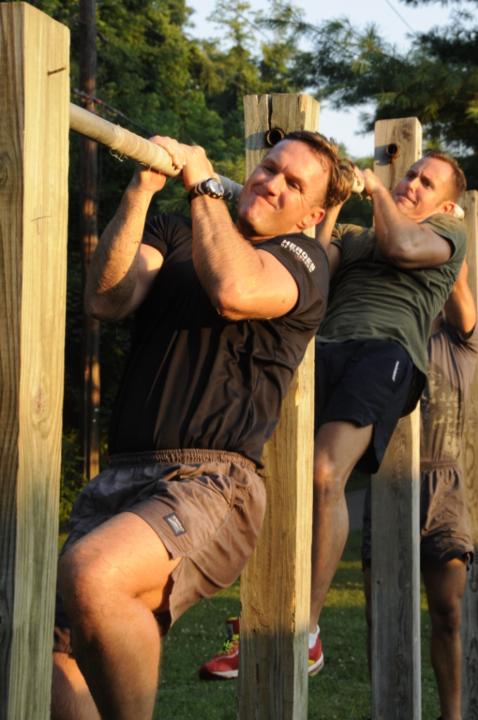
Veteran - Stew Smith (former Navy SEAL) helps military, law enforcement, and firefighter candidates and recruits succeed with coaching and programs.
Memberships
Men Living For Greatness
14 members • Free
Skoolers
164.7k members • Free
87 contributions to Stew Smith Tactical Fitness
4d •
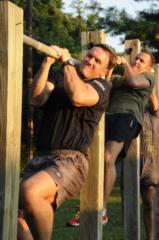
If I Were to Write a Tactical Fitness Curriculum
This is how I would teach it... Coaching in tactical fitness for the past 25+ years, I have been able to answer a need with programming that helps people who want to serve achieve their goals. From basic fitness testing and advanced special ops selections to general health, wellness, and longevity throughout your career and after, tactical fitness is more diverse than many people realize. It is not just a single phase of training you do to get ready for boot camp; it is much more and requires explanation across multiple phases. Becoming the master of recovery (nutrition, sleep, hydration, stress mitigation) will enable the young and old to learn what it takes to optimize performance and build longevity. Here is how I would break down the tactical fitness training genre into a more consumable format/outline. The links further explain the sections to reduce the size of this article: Obviously, there will be the requisite physiology for building the components of fitness below, as well as knowledge of the different energy systems (and how to fuel them best). Learning the testing processes, exercises used, and techniques/strategies to improve performance needs to be included. Knowing how to fuel, pace different energy systems, maintain proper exercise form, follow best practices for training multiple components of fitness, and support recovery is critical to effective knowledge transfer. Click here for the full article on tactical fitness: Anything I am forgetting?
5
0
13d •
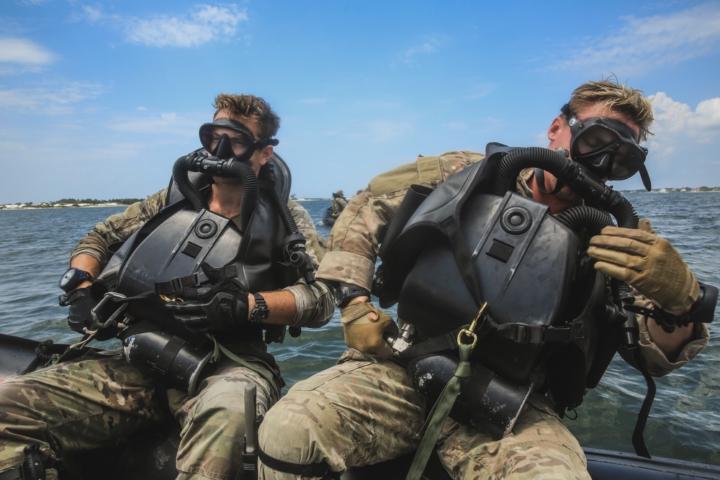
Running Faster is Different Than Swimming Faster in Effort
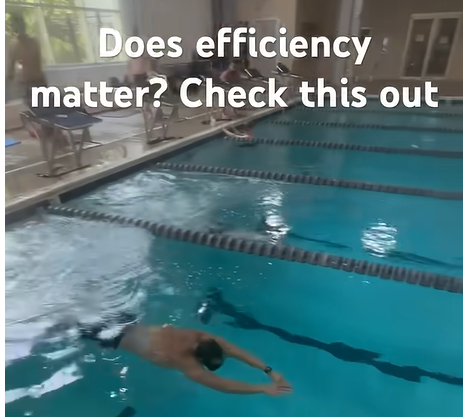
You Cannot Pull More / Kick More to go Faster with the Combat Side Stroke (CSS) Recently, I had a coaching ah-ha moment while explaining to a few land athletes why swimming faster isn't the same as running faster. I was watching them take the PST swim portion of the 500 yd in a pool. I had taught them the stroke process (pull-breathe-kick-glide), and both were doing 50 seconds, 50 yards in 5-6 strokes to get across the pool. That is what I try to get people to do (or even fewer strokes). But when they were being tested, the adrenaline and the sense of speed they knew on land took over, and the glide phase was ignored. It now takes them 10-11 strokes to cross the pool, doubling their effort and reducing their goal pace after 200yds. They were too tired to maintain the pace of a yard/second. See full article here: https://www.stewsmithfitness.com/blogs/news/running-faster-is-different-than-swimming-faster-in-effort
2
0

17d •
Re: Cardio & Calisthenics
@Stew Smith in the 30 day beginner plan (Day 5) You have listed crunches & plank poses for 5 minutes. Is that correct? My apologies if this is not the place to ask this question.
1 like • 16d
Well you can mix it up with core work, crunches, plank poses (Left/right/regular) and variety for 5 minutes. Do them slowly too with isometric holds. Easy to eat up 5 minutes
17d •
The Never Quit Stretching Video
@Stew Smith that is a brilliant series of stretches. I’m familiar with most of them from having done yoga, but that particular series you’ve put together is great because it focuses on: - Thoracic mobility - Hip mobility - Ankle mobility - Range of motion and muscle tightness I hope everyone that is in here realizes how great of a series of stretches that video walks one through.
1 like • 16d
Thanks - we do these across a basketball court after doing the 5 sets of 5 min bike + 5 min stretch/foam roll/massage tool workout - We call is Mobility Day
19d •
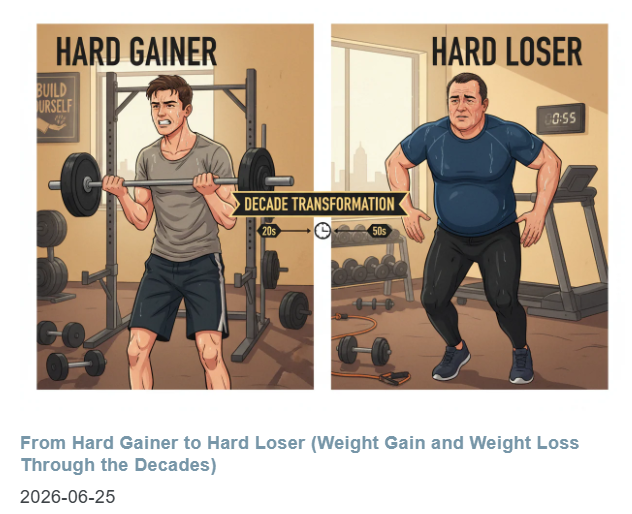
From Hard Gainer to Hard Loser (Weight Gain and Weight Loss Through the Decades)
June 25, 2026 • Stew Smith When Losing Weight Is a Little Harder to Do Than It Used to Be It can feel unfair. You go from being able to eat an entire pizza in your twenties without gaining an ounce to feeling like you gain weight just by looking at a pizza in your forties. Here is the question I have been trying to figure out for the last 20+ years: What gives and how do we help make this inevitable process more of a gentle slope through middle age and beyond? See full article at https://www.stewsmithfitness.com/blogs/news/from-hard-gainer-to-hard-loser-weight-gain-and-weight-loss-through-the-decades
1-10 of 87
@stew-smith-2464
Stew Smith Tactical is a fitness training company focused on programing for success in military, special ops, police, and firefighting communities.
Active 6h ago
Joined Nov 17, 2025
Severna Park MD