
Write something
4d •
If I Were to Write a Tactical Fitness Curriculum
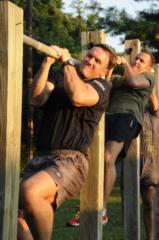
This is how I would teach it... Coaching in tactical fitness for the past 25+ years, I have been able to answer a need with programming that helps people who want to serve achieve their goals. From basic fitness testing and advanced special ops selections to general health, wellness, and longevity throughout your career and after, tactical fitness is more diverse than many people realize. It is not just a single phase of training you do to get ready for boot camp; it is much more and requires explanation across multiple phases. Becoming the master of recovery (nutrition, sleep, hydration, stress mitigation) will enable the young and old to learn what it takes to optimize performance and build longevity. Here is how I would break down the tactical fitness training genre into a more consumable format/outline. The links further explain the sections to reduce the size of this article: Obviously, there will be the requisite physiology for building the components of fitness below, as well as knowledge of the different energy systems (and how to fuel them best). Learning the testing processes, exercises used, and techniques/strategies to improve performance needs to be included. Knowing how to fuel, pace different energy systems, maintain proper exercise form, follow best practices for training multiple components of fitness, and support recovery is critical to effective knowledge transfer. Click here for the full article on tactical fitness: Anything I am forgetting?
5
0
21d •
Looking at General Fitness Tests in the Military
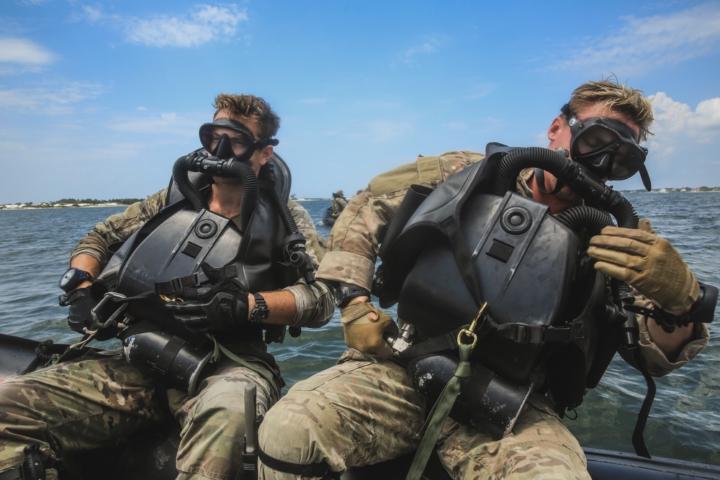
Watching the evolution of military fitness tests has been a lesson in patience, but the end result is much better than it every was in previous generations. While there are dozens more fitness tests throughout the tactical professions, these are the 10 basic exercises of every branch of the military. You can see the similarities, subtle differences, and vast differences between the branches of our military: Army – AFT: hex bar dead lift, HR pushups, Sprint-Drag-carry, plank pose, 2 mile run Navy: PRT - Pushups, Plank pose, 1.5 mile run Air Force: PFA - 2 mile run, waist-to-height ratio, pushups (HR optional), choice – situp, crunches, or plank pose. Marines: PFT - Pullups or Pushups, Plank pose, 3 mile run Coast Guard: PFT - Pushups, plank pose, 1.5 mile run, or 12 min swim, or 2000m row Space Force: 2 mile run or Beep Test (20m shuttle), pushups, choice – situp, crunches, plank pose. 10 Total exercises: dead lift, pushups/HR pushups, sprint-drag-carry, situps, crunches, plank pose, 1.5-3 mile run, shuttle run, 12 min swim, 2000m row, and waist-to-height measurement (not really an exercise). *Not mentioned are the Combat Fitness Tests of the Marines and Army - these will add another 10 exercises: (see below) The combat arms, special operations fitness tests, and the active duty special ops fitness tests add another dozen exercises to the list the shared exercises tested throughout the branches of service. 15-20 years ago there were little differences as the tests were pushup, situps, and run for each of the groups (add pullups for Marines). You can see the changes are conforming to the physical challenges of the job of each of the branches of service. Marine Combat Fitness Test: Movement to Contact A timed 880-yard (two laps) sprint designed to simulate the physical exertion of rapidly moving toward an objective under combat conditions. Ammunition Can Lift A test of upper body muscular endurance where Marines must lift a 30-pound ammo can from shoulder height to full overhead extension repeatedly for 2 minutes.
5
0
Jun 5 •
Summer Training - What Is Your Weakness That You Are Ignoring?
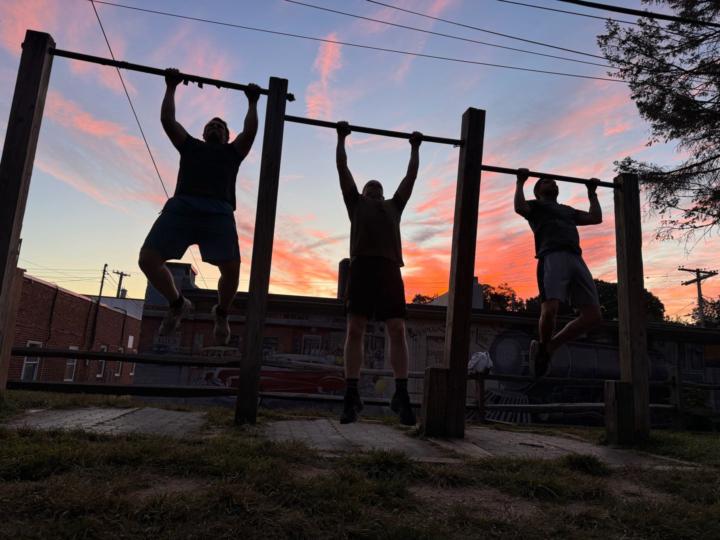
Take Your Training to New Levels. Summer is That Time. Some of my best workouts over the decades of training have come during the summer months when the normal grinding schedule slows down. From no school, longer day time hours, and fewer commitments (typically), you can work a little harder over the summer and not get the typical burnout that accompanies burning the candle at both ends (work, school, sports, workouts, family events etc). The summer presents a unique opportunity to elevate your performance as you prepare for military or special operations service. This is your chance to transform every weak link into a strength, to build a program that propels you towards the elite. Remember, it's not just about training hard, but about training smart. This is your time to shine. For me, over my SEAL prep years, summer offered more opportunities to improve swimming as all the pools were open for more hours. The early mornings also offered daylight by 5am to start the day with cals and cardio before the heat of the day. The evenings continue to be bright until 9 pm to help keep you awake and ready to top off the day with a final push of something you need to focus on (lifting, treading, pool skills, running/swimming distance, etc..) Read full article here: https://www.stewsmithfitness.com/blogs/news/summer-training-what-is-your-weakness-that-you-are-ignoring

Apr 30 •
I'm 13, training for SFOD/D and DEVGRU
1.5 mile run time: 9:06 Pullups: 10 Pushups: 40 Plank: 4:15 3 mile run time: 21:21 2-mile ruck time: 18 minutes with 30lb pack 5-mile ruck time: 1:06:48 with 30lb pack and rifle Squat: 200lbs Bench: 95lbs 40yd dash: 5.19 Height: 5'2" Weight: 98.5
Feb 22 •
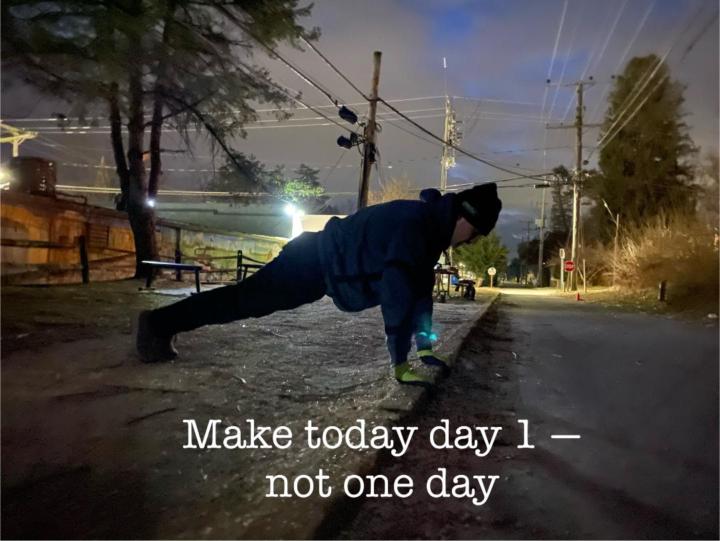
The Power of Pushups: Free Health Improvements Across the Board
Did you know that 11% of the population can do 50 pushups (according to a nationwide survey)? The pushup is more than a military exercise used for group training and punishment; the pushup is an objective measure of physical fitness and cardiovascular health. A 10-year study of male firefighters (average age of 39) found that those able to perform 40 or more push-ups had a 96% lower risk of cardiovascular disease (CVD) than those who could do fewer than 10. Interestingly, push-up ability was more strongly linked to reduced CVD risk than aerobic capacity, as assessed by treadmill testing, also in the study. The True Power of the Pushup For many, the military introduced us to push-ups, or someone in the military did. I remember when my granddad (Army Veteran WWII) dropped to the floor and cranked out 20 pushups at the age of 80 and then hopped back up to his feet. I was in my teens at the time, but I understood at a young age how valuable push-ups were. Not only is it the perfect flex on the living room floor amongst friends and family, but it is the gateway to longevity and health in our later years. My grandfather remained active and independent until his last breath, nearly ten years later. Keep up this skill after serving. The Perfect Exercise - The pushup is a no-cost, highly effective way to build the chest, shoulders, arms, and the entire core system. This simple exercise measures and develops upper body strength and muscle stamina, improves bone density, and provides the functional ability to lift yourself from the floor. Easily Modified – A regular pushup involves about 65% of your bodyweight supported by your upper body and nearly your entire weight supported by your core. If you cannot do a regular pushup, try a knee pushup and reduce the effort by less than 50% of your body weight. You can also do wall or couch pushups by leaning on either to create a more diagonal angle, further reducing the weight on the arms and core. On the flip side, you can add a weight vest to make them more difficult if you are capable.
1-25 of 25
powered by
skool.com/stew-smith-tactical-fitness-1847
Veteran - Stew Smith (former Navy SEAL) helps military, law enforcement, and firefighter candidates and recruits succeed with coaching and programs.
Suggested communities
Powered by