Activity
Mon
Wed
Fri
Sun
Aug
Sep
Oct
Nov
Dec
Jan
Feb
Mar
Apr
May
Jun
Jul
What is this?
Less
More
Memberships
Invest & Retire Community
3.6k members • Free
1041 contributions to Invest & Retire Community

3d •
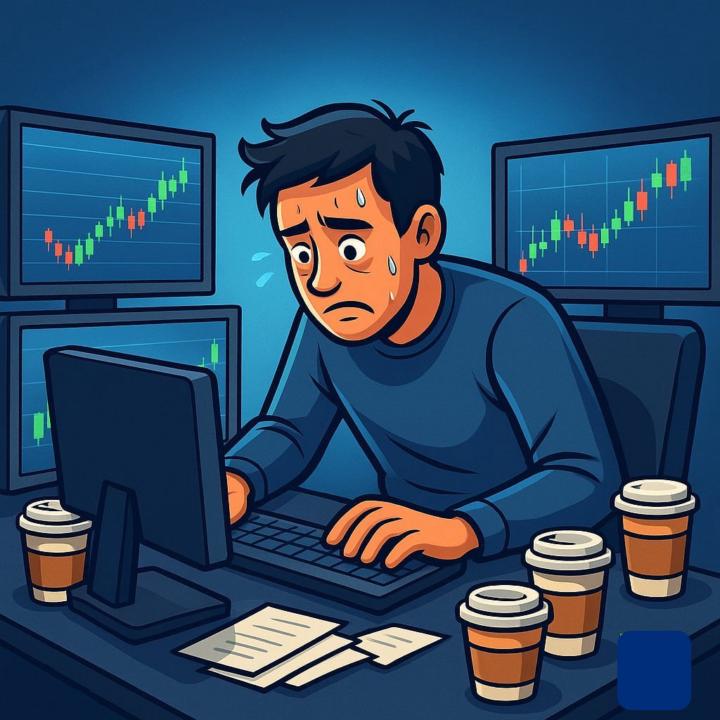
💡 Overtrading
Many believe that frequent trades are a sign of activity and confidence. But in reality, overtrading often becomes the main reason for account drawdowns — even among experienced traders. 📌 What is overtrading? It’s making too many trades without a clear trading logic. Most often, it happens because of the desire to “recover a loss” or the fear of missing out on a move. ⚠️ Why is it dangerous? 🟠Increases trading costs (spreads, commissions). 🟠Leads to emotional burnout. 🟠Reduces the quality of analysis — decisions are made emotionally. 🟠Profitable trades end up being canceled out by unnecessary losing ones. ✅ How to avoid it? 🟢Clear trading plan — don’t enter the market without a specific signal. 🟢Trade limit — for example, no more than 2–3 per day. 🟢Keep a trading journal — it reveals when emotions take control. 🟢Focus on quality, not quantity — one strong trade is better than ten random ones.

1 like • 6h
@Sharon Yuen My entry rule is that it dropped to 0-10% above 52 week low and my short term exit rule is 5-10% above entry prices. For example, that penny stock, I bought 10,000 shares 4 times with entry prices at C$0.345, 0.34, 0.33 and 0.33. I sold 10,000 shares at C$0.35 and bought them back at C$0.33 a few hours later. I probably will sell 10,000 shares at C$0.36 and try to buy them back. The issue is that its liquidity is low (daily volume is around 100,000 or even less) and no large fund can trade it.
0 likes • 2h
@Sharon Yuen I only pick what I am familiar with (I know it’s 52 weeks high and low. I traded them and won before.).
0 likes • 6h
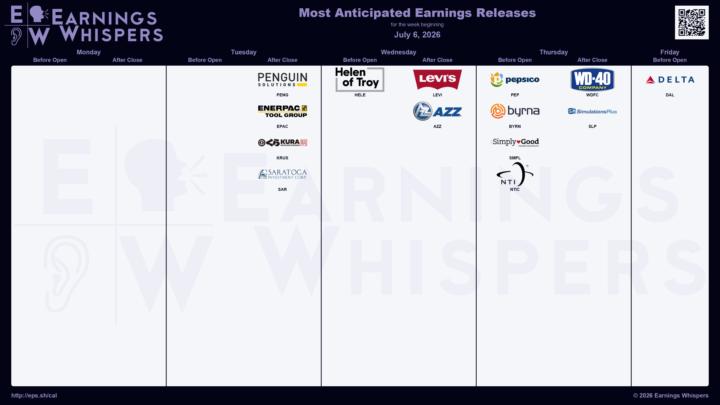
https://ca.finance.yahoo.com/news/stock-market-today-monday-july-7-225645420.html

2d •
5.2 % Alert, How Rising Bond Yields Can Shift the Stock Market
Recently, the 30-year U.S. Treasury bond yield hit a critical line at 5.2%. While a 5.2% yield might sound like a simple stat, history shows it is a major warning sign that every investor needs to understand. Why Does 5.2% Matter to Stock Investors? When government bond yields rise this high, it acts like a giant magnet pulling cash out of the stock market. Think of it through the eyes of big institutional investors: - The Guaranteed Return: Why risk money on volatile stocks when the U.S. government guarantees a risk-free 5.2% return on your cash? - The Ghost of 2007: The last time long-term yields held above the 5.2% mark was in 2007. Just months later, the Great Recession hit, and the S&P 500 crashed. - History Repeats: This isn't just about 2008. Sudden jumps in interest rates and yields were the exact pins that popped the 1987 "Black Monday" bubble, the 2000 Dot-Com crash, and the stagflation crash of 1974. When rates climb, borrowing becomes expensive for businesses, future corporate profits drop, and stock prices usually slide.
1 like • 2d
Thanks for sharing. We need to prepare ourselves for the possible near future recession.
2 likes • 2d
How should we prepare ourselves for the possible future recession? I don’t know. I hold more cash. I become more conservative. I will have more positions hedged.

1 like • 3d
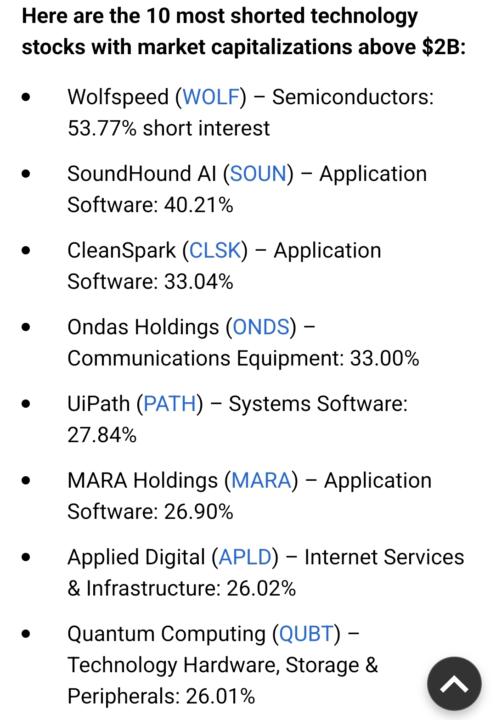
@Kim Huynh I sold csp of path and were assigned a few hundred shares. I bought calls. I got some shares. However my average price of path is below $11 because I got them this year. For onds, someone recommended it. I did not buy lots of shares and I didn’t sell my shares. I have a 10% loss on onds.
1 like • 3d
@Kim Huynh I don’t sell cc on path. I hope it can jump to $15-20.
3d •
Quote of the Day by Charlie Munger:
"The big money is not in the buying and selling, but..." - Meaning, investing lessons and why patience creates wealth." Successful investing is often associated with buying the right stocks at the right time. But legendary investor Charlie Munger believed that true wealth is built through patience rather than constant action. His famous quote, "The big money is not in the buying and selling, but in the waiting," continues to guide investors, entrepreneurs, and professionals who understand that lasting success comes from discipline, not haste. Charlie Munger's quote: "The big money is in the waiting." ● Emphasizes patience for long-term wealth creation. ● Munger was Warren Buffett's partner at Berkshire Hathaway.
1 like • 3d
The issue is that I don’t know when it is the right time and right price. I have to build my positions gradually.
1-10 of 1,041
@rong-zhou-2076
I want to generate a consistent income by selling cash secured puts and buying calls. I also want to practice short term options and zero day options.
Active 1h ago
Joined Mar 3, 2023
Powered by