Activity
Mon
Wed
Fri
Sun
Jun
Jul
Aug
Sep
Oct
Nov
Dec
Jan
Feb
Mar
Apr
What is this?
Less
More
Owned by Chevalier Michael Adam
Sleep. Eat healthy. WATER. Exercise. Rest (active rest and self care).
Memberships
Success & Strategy Astrology
70 members • Free
The Body Space by Frequentiis
7 members • Free
Ai Filmmaking
6.7k members • $5/month
Method In Chaos
110 members • Free
Defend Yourself
361 members • Free
Disrupt Academy
111 members • Free
4 contributions to The Body Space by Frequentiis

4d •
Got a question? Shoot!
If you have a question about the nervous system, fascia, qi… health, metaphysics, quantum physics, light… anything adjacent to these topics or topics covered here, in The Body Space, post it here! Perhaps the collective wisdom of the group or your humble host can provide answers.

1 like • 4d
What about emotional first aid, what’s your go-to regulation for feeling triggered
5d •
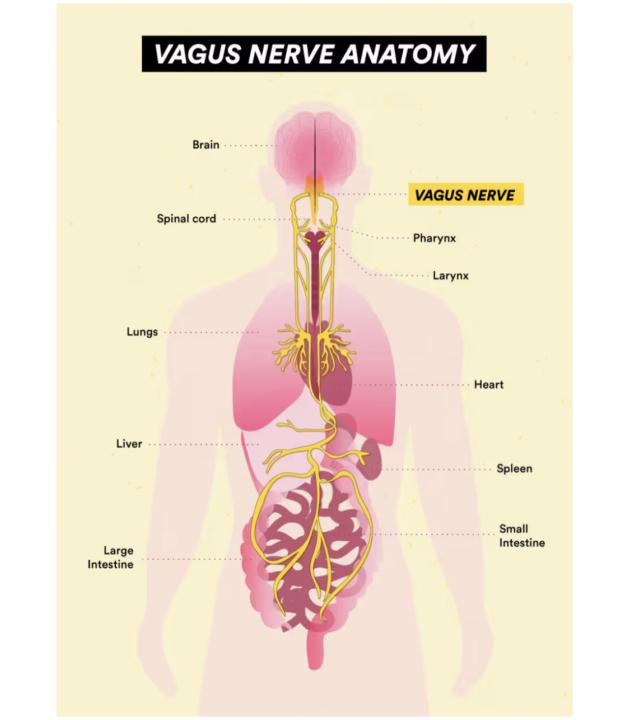
Vagus Nerve Diagnostics & Basic Reset
The Vagus nerve is the body’s great regulator - a wandering pathway that links the brain to the heart, lungs and digestive organs, while overseeing the rhythms that keep us alive. Its name comes from the the Latin “Vagus”, literally meaning “wandering” - a reflection of its far-reaching, meandering path through the body. It plays a central role in the parasympathetic nervous system, guiding the body into states of rest, repair and restoration. When the Vagus nerve is toned and responsive, the body can shift out of stress and back into safety with greater ease - slowing the heart, deepening the breath, supporting digestion and allowing healing processes to unfold. In many ways, it is the bridge between survival and self-healing, translating a sense of safety into physiological harmony. Vagal Diagnostics: Listening to the Body These gentle movements assess the tone of your Vagus nerve and cranial alignment, giving you a snapshot of your current state. You don’t need to memorise the anatomy and there is no right or wrong. Just feel, witness your system as it is. Basic Sensory Diagnostics (Feel - Based) 1. Head turn test - Stand or sit upright but comfortably. Slowly turn your head to the left. Come back to centre and turn your head to the right. You can repeat these movements a few times to get a good feel for what’s happening in your neck and base of your skull. Notice: Do both sides turn freely, evenly and smoothly? Or is the movement a bit limited, stiff, crackly or jagged on one side? 2. Ocular tracking - Hold a finger up in front of your face. Without moving your head and using only your eyes, move the finger to the left, come back to centre and move your finger to the right and back to centre again. You can do this a few times to get a feel for your eye movements. Notice: Do your eyes follow smoothly left and right? Or is the movement of your eyes a bit jagged, jumpy, or rigid? 3. Swallow test - (You can have a sip of water for this diagnostic.) Swallow.
1 like • 5d
Got sleepy and salivated. Surprised how relaxed in 180 seconds. Winner
8d •
Poll: What self-healing practice(s) if any, do you already do?
I’m curious!
Poll
4 members have voted
1 like • 8d
Yoga, Qigong and progressive relaxation type breathing 😮💨
10d •
Welcome! Start here.
Hi! Hello! Thanks for joining us! I’m Efisia and this is my Skool community. I’m a healing practitioner and somatic coach and I’ve developed a toolkit for self-healing called SomaKey Protocol, which you can check out in the Classes tab. Please introduce yourself, tell us what brought you here and feel welcome to join in!
1 like • 8d
Glad to see you here ✨
1-4 of 4

@michael-zoupa-8575
Psychotherapist & Couples Counsellor;
NDIS Personal trainer;
Jiujitsu coach 🟫🟫⬜️🟫 ;
Qigong Teacher ✨;
Knight of the Temple (OTJ);
Honoured Frater.
Active 9h ago
Joined Apr 19, 2026
INFJ