Activity
Mon
Wed
Fri
Sun
Oct
Nov
Dec
Jan
Feb
Mar
Apr
May
Jun
Jul
Aug
Sep
What is this?
Less
More
The Grow Renaissance Skool
828 members • Free
Mobility & Injury Prevention
248.1k members • Free
60 contributions to The Grow Renaissance Skool

Jun 6 •
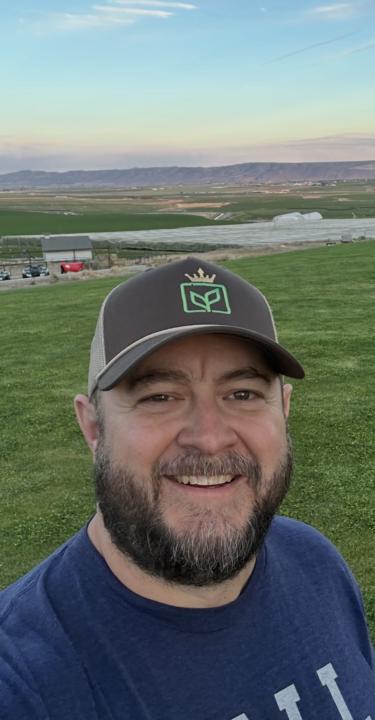
Trip to the Grow Farm
Hey y'all - writing to you from Washington State after an unbelievable site visit with Royal Family Farms and learning about REAL WORLD ASSETS on the blockchain and how Grow and Royal Family Farms have built the model for the renaissance! More to come...

2 likes • Jun 7
legend!
Apr 21 •
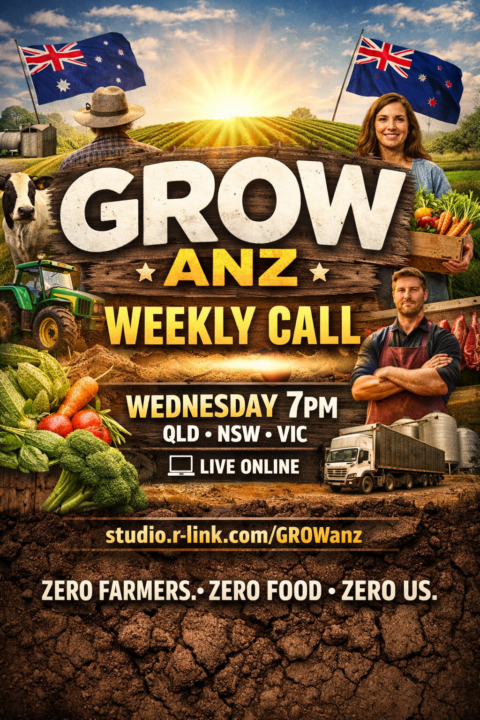
🌾 GROW ANZ WEEKLY CALL IS ON THIS WEEK 🇦🇺🇳🇿
🌾 GROW ANZ WEEKLY CALL IS ON THIS WEEK 🇦🇺🇳🇿 Our weekly Grow ANZ call is happening again this Wednesday night, and if you care about farmers, food, freedom and the future of our food system… this is one to be on live. Right now, farmers across Australia and New Zealand are under more pressure than ever. 🚜 rising costs 📉 tighter margins 🏢 growing corporate control 🥕 less connection between producer and consumer And most people can feel something needs to change. GROW ANZ is about helping create a fairer, stronger path forward. A system where: 👩🌾 farmers are better supported 📦 distributors and vendors have more opportunity 🥬 families access real food 🤝 communities reconnect locally 🌱 everyday people can be part of the solution This isn’t theory. These are practical conversations around what is already being built across Australia and New Zealand. 📅 Call Details Wednesday 🕖 7pm QLD | NSW | VIC (Australia date & times) 💻 Online 🔗 https://studio.r-link.com/GROWanz Why be on live? ✅ Hear the latest updates ✅ Learn how the model works ✅ Ask questions ✅ See where this is heading ✅ Connect with people who know food sovereignty matters If you know a: 🚜 farmer 🥕 grower 🥩 butcher 📦 distributor 🌱 conscious consumer 💚 or someone passionate about real change Please invite them in. Because this movement grows stronger with more good people involved. Zero Farmers. Zero Food. Zero Us. See you Wednesday legends 🌾🙌
3
0
Apr 14 •
GrowStraya Call Tonight
Great day everyone ☀️🌿 There is such a beautiful momentum building behind what we’re doing here... and if you’ve been feeling the nudge to lean into the conversation, tonight is the perfect time to join us. We are on a mission to help ensure our farmers can stay on their land for generations to come, while making sure families have access to real, nourishing food through a system that actually makes sense. Right now, so much of the food system feels out of balance... and GROW is bringing forward a real, aligned solution that supports the farmers, the vendors, and the consumers. It’s about putting the future of food back into the hands of everyday people, rather than leaving it to broken systems and big corporations. Tonight – Wednesday, April 15 7:00 PM AEST (Australia Time zone) Join here 🔗 https://studio.r-link.com/GROWanz Neil will be joining us to answer your questions directly. Whether it’s something you’ve been wondering yourself or questions you’ve been hearing from farmers and vendors in your world, we’d love to cover them. Pop your questions in here 👇 https://docs.google.com/forms/d/e/1FAIpQLSdv198V3HmglmGyguUiaGsfFqRccW4t5adkNx6JYlHUWks44A/viewform?usp=header ⚠️ Just a quick reminder... The second half of tonight’s call will NOT be recorded. We’ll be opening up the room to brainstorm real numbers and practical examples... so if you want to hear that part of the conversation, you’ll need to be there with us LIVE. Please feel free to invite anyone you know who cares about our farmers, our food, and building a better future for our communities. See you in the room soon 🌾💚
4
0
Apr 7 •
🌾 𝐃𝐨 𝐘𝐨𝐮 𝐊𝐧𝐨𝐰 𝐚 𝐋𝐨𝐜𝐚𝐥 𝐅𝐚𝐫𝐦𝐞𝐫, 𝐏𝐫𝐨𝐝𝐮𝐜𝐞𝐫 𝐨𝐫 𝐅𝐨𝐨𝐝 𝐃𝐢𝐬𝐭𝐫𝐢𝐛𝐮𝐭𝐨𝐫? Copy & 𝐒𝐡𝐚𝐫𝐞 𝐓𝐡𝐢𝐬 🚜
This is for the people who care about real food, local supply, and the future of how we feed our families here in Australia and New Zealand Because right now… too many of the people who grow, raise, produce and move our food are under serious pressure. Rising costs. Tighter margins. More middlemen. Less control. And a system that often makes it harder, not easier, for good people to stay independent. That’s exactly why these weekly GrowStraya calls matter. This Wednesday night, we’re opening up a free online conversation around: Farmers & primary producers Food distributors & supply chain operators Direct-to-consumer pathways New ways to improve margins while keeping independence This is a practical conversation for people who know our food system needs to change… and who are open to hearing what’s already beginning to work. The session is hosted by The Grow Renaissance, with a speaker working directly with farmers across Australia and New Zealand on solutions that are already being used in the real world. Call Details Wednesday 8 April - Tonight 7pm QLD | NSW | VIC Online Call Link in the comments What this is: Education Conversation Real-world solutions A chance to stay close to what’s changing What this is not: A sales pitch Trading talk Speculation This is about helping farmers, producers, distributors and everyday people better understand how we can begin to: shorten supply chains protect pricing power improve transparency and traceability reconnect producers and consumers directly If you know someone who is: a farmer a grower a butcher a food distributor a producer or simply someone who deeply cares about where our food comes from… tag them, share this with them, or invite them into the room. Because supporting farmers doesn’t just support farmers… it supports all of us.
1 like • Apr 13
@Lori Morelli I'm sure @Neil Smith can answer that for you 🌱💚🌱
Apr 6 •
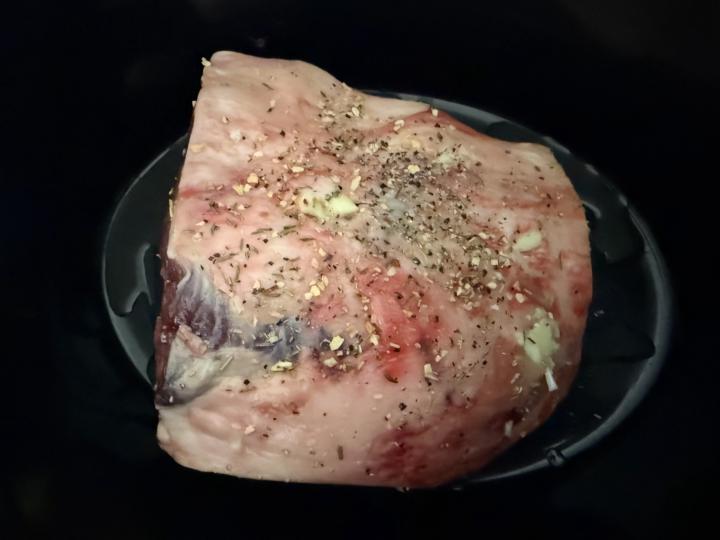
Dinner Tonight
𝐓𝐨𝐧𝐢𝐠𝐡𝐭’𝐬 𝐟𝐚𝐦𝐢𝐥𝐲 𝐝𝐢𝐧𝐧𝐞𝐫 𝐰𝐚𝐬 𝐩𝐚𝐢𝐝 𝐟𝐨𝐫 𝐢𝐧 𝐚 𝐰𝐚𝐲 𝐦𝐨𝐬𝐭 𝐩𝐞𝐨𝐩𝐥𝐞 𝐬𝐭𝐢𝐥𝐥 𝐝𝐨𝐧’𝐭 𝐫𝐞𝐚𝐥𝐢𝐬𝐞 𝐢𝐬 𝐩𝐨𝐬𝐬𝐢𝐛𝐥𝐞… 👀🐑🔥🍽️ This beautiful leg of lamb? Paid for with Grow tokens 💚✨ Direct from the farmer 🌾🐑👨🌾 No fluff. No theory. No “maybe one day.” 🚫 This is happening now. ⚡🙌 And once you experience what it feels like to use a new system for something as real as feeding your family 🫶🍽️💛 you start seeing just how broken the old one really is… Supporting local farmers 🇦🇺🌾 Knowing where your food comes from 🥩💚 Using digital rewards in real life 🔗✨ Honestly… this is one of those things that sounds “different” 🤔 until you actually see it for yourself 👀💥 And then… you can’t unsee it. 👏✨ The future is arriving very quietly… 🌍⚡ and most people are still sleeping on it 😮💨👀🔥 And tonight - Get in my belly!!! 😋 #growstraya #nourishmart #supportlocalfarmers #newsystemliving #aussiefarmers #FoodWithPurpose #BlockchainWithPurpose #familydinner #RealUtility
1-10 of 60
@lisa-johnston-3425
✨Blockchain with purpose + AI🌱
💫Wellness + real-world freedom pathways ❤️
Family 🥰 Legacy 🙏 Fun💃
Active 46d ago
Joined Nov 18, 2025
Powered by