Activity
Mon
Wed
Fri
Sun
Aug
Sep
Oct
Nov
Dec
Jan
Feb
Mar
Apr
May
Jun
What is this?
Less
More
Memberships
Bedrock Nation
169 members • Free
1 contribution to Bedrock Nation

Mar 23 •
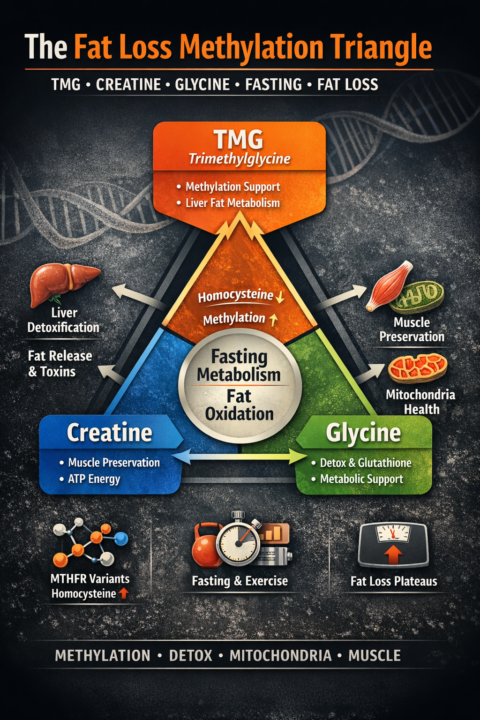
TMG, Creatine, Glycine, Methylation, Fasting and fat loss - Super Science
The Hidden Metabolic Intersection TMG • Creatine • Glycine • Fasting • Fat Loss • Methylation Most weight-loss discussions focus on calories, macros, or exercise. But one of the most overlooked drivers of fat loss success is methylation capacity. For individuals with MTHFR variants or elevated homocysteine, impaired methylation can quietly interfere with: - fat metabolism - detoxification - liver function - muscle preservation - metabolic flexibility This is where nutrients like TMG, creatine, and glycine intersect with fasting and body composition. Step 1: Methylation Is a Metabolic Engine Methylation is the biochemical process that transfers methyl groups (–CH₃) between molecules. It regulates: • DNA expression• neurotransmitters• detox pathways• lipid metabolism• hormone signaling• mitochondrial energy production One of the core reactions in this cycle converts homocysteine back to methionine: TMG -> Methionine Methionine is then converted into SAMe (S-adenosyl-methionine), the body’s primary methyl donor. SAMe drives hundreds of metabolic reactions, including those involved in fat metabolism and liver function. Step 2: Why High Homocysteine Can Make Fat Loss Harder When methylation is impaired, homocysteine accumulates. Elevated homocysteine is associated with: • impaired detoxification• fatty liver development• mitochondrial stress• chronic inflammation• impaired lipid metabolism These conditions can make fat loss more difficult because the body must process large amounts of metabolic byproducts during weight loss. When stored fat is released, the liver must handle: - fatty acids - oxidized cholesterol - inflammatory lipids - fat-stored toxins If methylation capacity is insufficient, fat mobilization slows. This is one reason individuals with MTHFR polymorphisms often struggle with: - stubborn weight loss - fatigue during dieting - detox symptoms during fasting Step 3: Creatine Is a Massive Methyl Consumer Few people realize that creatine metabolism is one of the largest drains on the methylation system.

0 likes • Mar 24
TMG…@Leanna I don’t recall if you recommended this for me.
1-1 of 1
