Activity
Mon
Wed
Fri
Sun
Nov
Dec
Jan
Feb
Mar
Apr
May
Jun
Jul
Aug
Sep
What is this?
Less
More
Ultra School
134
$9/m
Vagus School
1.1k
Free
19 contributions to Vagus School

22d •
Skin irritation
I finally got my ultrasound and first tried the gel in the pack but I now have bumps in the area on my neck. I switched to aloe vera but it still hasn't settled. I am wondering if I am reacting to the gel or the ultrasound itself. I have got inflammatory rosacea. Anyone else experienced this? Thank you

2 likes • 19d
I use the aloe gel, but I did notice some of these same bumps from time to time. That went away with time so I suspect it is toxins or unfriendly bacteria vibrating out. Mildly cleaning the skin beforehand might help as well but I often forget to do that and the bumps did not reoccur. I would try moving to a different skin area until that place calms.

Aug 13 •
How To Reset Your Nervous System In 90 Seconds Without Electronics
The internal geometry of a 3D-printed conduit, such as the Nemuri Pendant, modulates respiratory resistance to induce a parasympathetic shift without electronic intervention. By adding calibrated resistance to the airway, the device facilitates a reduction in respiratory rate to the 4–6 breaths per minute range. This specific frequency optimizes heart rate variability and maximizes vagal tone by extending the exhalation phase. The mechanism relies on fluid dynamics rather than firmware. As the user breathes through the tuned internal channel, the added load engages the diaphragm and throat muscles more deliberately. This engagement, combined with soft pressure feedback, triggers the diving reflex to lower the heart rate and suppress sympathetic arousal. Physical markers of this vagal activation typically manifest within 90 seconds. Users observe a softening of the periorbital muscles and a release of tension in the trapezius and levator scapulae. The shift is a direct result of lengthening the expiratory phase, which enhances the inhibitory influence of the vagal efferents on the sinoatrial node. A rhythm of 4-second inhalations and 6-second exhalations through this resistance provides a structured method for retraining baseline breathing patterns. Because the device requires no batteries or apps, it serves as a permanent analog interface for nervous system regulation. It is a tool for immediate recovery after high-cortisol events or for maintaining autonomic balance during daily transitions. https://www.frontiersin.org/articles/10.3389/fnhum.2018.00353/full https://pubmed.ncbi.nlm.nih.gov/21939457/ https://vagushub.com/nemuri

2 likes • Aug 14
Cool. Have you considered using a copper inlay? Copper is quite resistant to bacteria and might keep the things from getting funky as many folk's oral hygiene is less than stellar. Fun fact: My sister gifted me a solid copper keyring button pusher called Nudge during covid. It's hilariously large but so far I am safe from Elevators across the globe...
Mar 15 •
Machine use Log
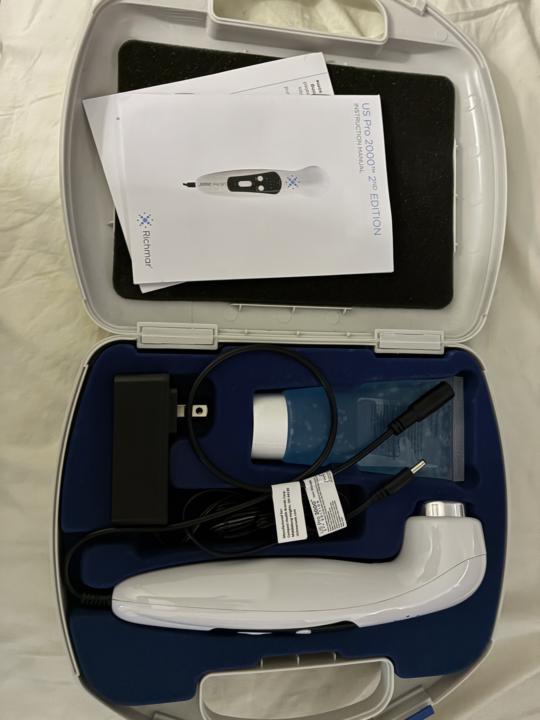
I'll log my experiences here if that is ok. Got my device. Just learning to use it but seems fairly simple. I did 5 minutes on low around my knee and bit on stomach 36 point. Zero heating of tissue, no noticeable negative effects. Will take a walk in a few hours and see how the hills feel. I wasn't having any specific knee issues but sometimes that one can complain, so seems a reasonable test spot. Will try on the left ribs / splenic flexure area in a bit. Nice that the device has a warmup feature. Nearly silent when on low but I could hear the buzz.
0 likes • Jul 16
Back on medium. both sides of jugular foreman, no issues. Being mindful not to overtrain physically -- just because this thing seem to increase recovery is not an excuse for lack of restraint
0 likes • Jul 17
5 mins over left and right sides of neck on medium. 5 mins over right temple area on low. Even on low the feeling is quite intense over the temple area. Within the first minute of putting it on there I'm feeling zaps in the left groin area where I have an old injury but no current issues. Should be an interesting night, will update anything significant. I probably should wait a bit between the neck and the temple, but now there is a line at the house to use it haha
Feb 28 •
Ultrasound Gel Question, For USA
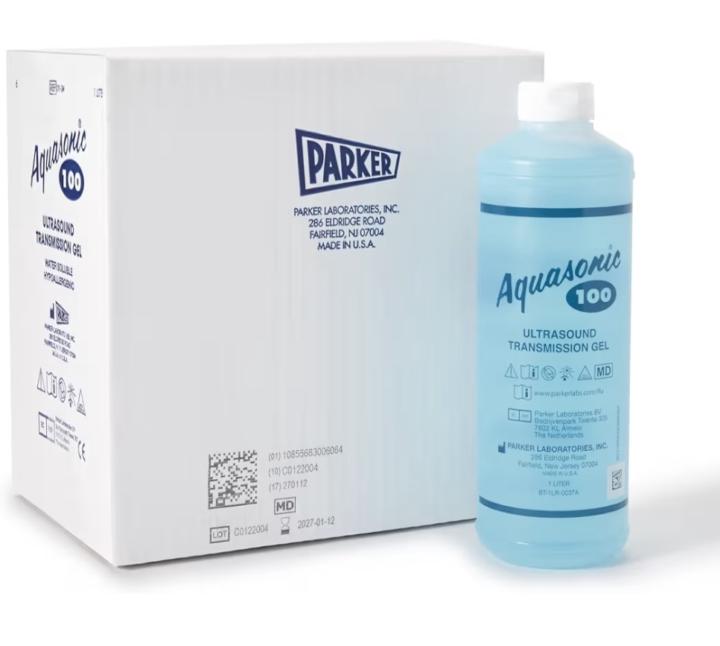
I am already running low on the 8oz gel that came with the unit and I found this on Amazon, 1 litre size for around $15. Has anyone found a better deal anywhere else? Is all Gel the same or should I be looking for anything special? https://a.co/d/0ctrk3PY
1 like • Jul 9
I was using Fruit of the Earth Aloe gel for a while but now trying out Orgono Living Silica gel as it has less ingredients in it, seems to work well and I just run it in after.
Jul 5 •
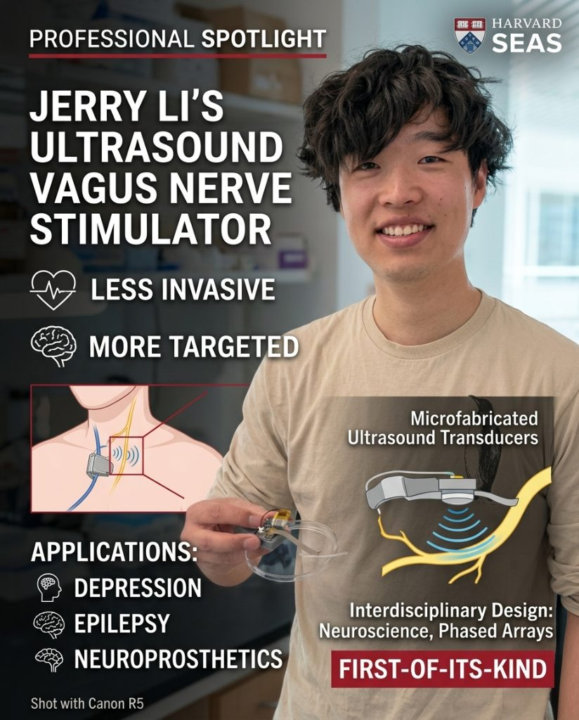
Revolutionizing Nerve Stimulation With The First Flexible Ultrasound Cuff
Jerry Li, an electrical engineering concentrator, developed a flexible cuff as his senior capstone project. The cuff uses ultrasound rather than electrical currents to stimulate the vagus nerve with precision. The approach is presented as having the potential to be less invasive and more targeted than prior methods. Applications noted include future treatment of depression, epilepsy, or support for neuroprosthetic control. Li stated that to his knowledge no one has used microfabricated ultrasound transducers for peripheral nerve stimulation before. Microfabrication work began in May 2025 and continued over the summer. Electronics design was the focus during the academic year. The microfabrication process itself was described as the most challenging element, characterized as a long and detailed procedure even with expert guidance. The project drew on multiple disciplines including neuroscience, phased array theory, wireless charging, and mechanical prototyping. Li noted that the interdisciplinary scope helped build his confidence as an engineer. The work was conducted under the Harvard John A. Paulson School of Engineering and Applied Sciences. https://www.facebook.com/hseas/posts/for-his-senior-capstone-project-electrical-engineering-concentrator-jerry-li-dev/1342732331285198/
1 like • Jul 6
Wow very impressive
1-10 of 19

@jeffrey-fantastic-4751
Stress Regression app author, Hypnotherapist, Nutritionist, Healer, Medical Device Software Expert
Active 3d ago
Joined Mar 2, 2026
San Diego
Powered by