Activity
Mon
Wed
Fri
Sun
Jan
Feb
Mar
Apr
May
Jun
Jul
Aug
Sep
Oct
Nov
Dec
What is this?
Less
More

Owned by Hassan

Global experts helping you enter the world's most elite finance careers. Highest salary @ 21 $180,000 | HF, PE, VC, MBB

Learn the frameworks that win offers: PEAL-X™ • PEAL-3™ • STAR-3® (Law) and IB fundamentals (e.g., DCF). Lessons, drills, and replays.

Memberships

382 contributions to Elite Careers Strategy Gateway
𝐁𝐮𝐢𝐥𝐝𝐢𝐧𝐠 𝐚𝐧 𝐄𝐥𝐢𝐭𝐞 𝐈𝐧𝐯𝐞𝐬𝐭𝐦𝐞𝐧𝐭 𝐁𝐚𝐧𝐤𝐢𝐧𝐠 𝐁𝐫𝐚𝐧𝐝: 𝐖𝐡𝐚𝐭 𝐈 𝐓𝐨𝐥𝐝 𝐚 𝐒𝐭𝐮𝐝𝐞𝐧𝐭 𝐚𝐭 𝐘𝐚𝐥𝐞
An economics student—call him James—approached me after my guest lecture on finance careers. He had the grades, internships, and drive, but worried: Goldman Sachs gets over 300,000 applications for just 2,500 spots—an acceptance rate <1%. “What will make me different?” he asked. Here’s the step-by-step personal branding guide I gave him, based on working with candidates from Goldman Sachs, J.P. Morgan, McKinsey, Bain, Blackstone & Sequoia: 1️⃣ 𝐃𝐞𝐟𝐢𝐧𝐢𝐧𝐠 𝐘𝐨𝐮𝐫 𝐔𝐧𝐢𝐪𝐮𝐞 𝐕𝐚𝐥𝐮𝐞 𝐏𝐫𝐨𝐩𝐨𝐬𝐢𝐭𝐢𝐨𝐧 (𝐏𝐨𝐢𝐧𝐭) • Ask: “What’s your Point? What one thing do you want people to remember?” • PEAL-3 Framework: Use Point–Evidence–Analysis–Link + Data to craft your thesis. • Tip: Ensure authenticity—align your claim with real experiences and skills banks value. 2️⃣ 𝐁𝐚𝐜𝐤 𝐈𝐭 𝐔𝐩 𝐰𝐢𝐭𝐡 𝐄𝐯𝐢𝐝𝐞𝐧𝐜𝐞 • Show, don’t tell: Select concrete wins that reinforce your point. ◦ Analytics: Built a valuation model for a Yale start-up. ◦ Automation: Streamlined financial reporting in an internship. ◦ Communication: National debate championship. • Grit & Determination: Prepare stories of perseverance 3️⃣ 𝐂𝐫𝐚𝐟𝐭 𝐚 𝐂𝐨𝐦𝐩𝐞𝐥𝐥𝐢𝐧𝐠 𝐍𝐚𝐫𝐫𝐚𝐭𝐢𝐯𝐞 (𝐀𝐧𝐚𝐥𝐲𝐬𝐢𝐬) • 𝐁𝐃𝐂 𝐅𝐫𝐚𝐦𝐞𝐰𝐨𝐫𝐤: ◦ Began: Origins—helping family business finances as a teen. ◦ Developed: Finance classes, club leadership, Yale internships. ◦ Confirmed: Winning a national case competition. • Interview Structure (PEAL): ◦ Point: Lead with your thesis. ◦ Evidence: Cite the example. ◦ Analysis: Explain what you learned. ◦ Link: Show how it makes you a better banker. 4️⃣ 𝐀𝐦𝐩𝐥𝐢𝐟𝐲 𝐘𝐨𝐮𝐫 𝐁𝐫𝐚𝐧𝐝 𝐀𝐜𝐫𝐨𝐬𝐬 𝐓𝐨𝐮𝐜𝐡𝐩𝐨𝐢𝐧𝐭𝐬 (𝐋𝐢𝐧𝐤) • CV & Cover Letter: Spotlight outcomes that echo your brand (quantified results!). • Elevator Pitch: 30-second intro highlighting your “number cruncher + storyteller” edge. • Online Presence: ◦ LinkedIn Headline & About: Reflect your brand. ◦ Thought Leadership: Post insights on industry trends to show passion & expertise. • Interviews: Consistently weave your brand into answers 5️⃣ 𝐅𝐮𝐭𝐮𝐫𝐞-𝐏𝐫𝐨𝐨𝐟 𝐘𝐨𝐮𝐫 𝐏𝐞𝐫𝐬𝐨𝐧𝐚𝐥 𝐁𝐫𝐚𝐧𝐝 • Stay Ahead: Learn new skills, follow fintech, ESG & AI trends.
0
0
𝐁𝐮𝐢𝐥𝐝𝐢𝐧𝐠 𝐚𝐧 𝐄𝐥𝐢𝐭𝐞 𝐈𝐧𝐯𝐞𝐬𝐭𝐦𝐞𝐧𝐭 𝐁𝐚𝐧𝐤𝐢𝐧𝐠 𝐁𝐫𝐚𝐧𝐝: 𝐖𝐡𝐚𝐭 𝐈 𝐓𝐨𝐥𝐝 𝐚 𝐒𝐭𝐮𝐝𝐞𝐧𝐭 𝐚𝐭 𝐘𝐚𝐥𝐞
𝐓𝐡𝐞 𝐔𝐥𝐭𝐢𝐦𝐚𝐭𝐞 𝐆𝐮𝐢𝐝𝐞 𝐭𝐨 𝐁𝐫𝐞𝐚𝐤𝐢𝐧𝐠 𝐢𝐧𝐭𝐨 𝐏𝐫𝐢𝐯𝐚𝐭𝐞 𝐄𝐪𝐮𝐢𝐭𝐲 (𝐏𝐄): 𝐅𝐫𝐨𝐦 𝐚𝐧 𝐄𝐱-𝐊𝐊𝐑 𝐑𝐞𝐜𝐫𝐮𝐢𝐭𝐞𝐫
Landing a role at elite funds like KKR or Apollo demands meticulous strategy, exceptional execution, and relentless focus. 𝐇𝐞𝐫𝐞’𝐬 𝐲𝐨𝐮𝐫 𝐩𝐫𝐨𝐯𝐞𝐧 𝐫𝐨𝐚𝐝𝐦𝐚𝐩: 1️⃣ 𝐔𝐧𝐝𝐞𝐫𝐠𝐫𝐚𝐝𝐮𝐚𝐭𝐞 𝐅𝐨𝐮𝐧𝐝𝐚𝐭𝐢𝐨𝐧 • Academics & Internships: Excel in finance or supplement your degree with finance courses. Target investment banking internships by year 2—this path is crucial. • Spring Weeks: Secure a spring week at top banks (Goldman, Morgan Stanley). These are fast tracks to summer internships. • Technical Skills Early: Master financial modelling (DCF, LBO) early. Practice extensively outside class. • Networking: Tap alumni at top banks/funds. Request coffee chats under the pretext of career advice. • Leadership: Run student investment funds or entrepreneurship projects to prove genuine investor instincts. 2️⃣ 𝐌&𝐀 𝐀𝐧𝐚𝐥𝐲𝐬𝐭 𝐒𝐭𝐢𝐧𝐭 (𝐈𝐁/𝐌𝐁𝐁) Target top banks/groups known for PE exits (Goldman TMT, Deutsche LevFin, Bain PEG). Focus on: • Complex Deals: Gain direct exposure to buy-side/sell-side transactions with PE involvement. • Deal Log: Maintain detailed records (deal type, sector, your specific role). • PE Mindset: Constantly analyse deals from an investor perspective (“Would I invest and why?”). 3️⃣ 𝐓𝐫𝐚𝐧𝐬𝐢𝐭𝐢𝐨𝐧 𝐭𝐨 𝐏𝐄 • Headhunter Strategy: Engage elite recruiters (Kea Consultants, CPI) 6–9 months into your analyst stint. Clearly articulate your PE motivation and skill mastery. • Strategic Networking: Build relationships with PE associates/partners. Attend industry events and schedule insightful coffees/chats. 4️⃣ 𝐏𝐄 𝐈𝐧𝐭𝐞𝐫𝐯𝐢𝐞𝐰 𝐌𝐚𝐬𝐭𝐞𝐫𝐲 • Technical Excellence: Master LBO models and paper LBOs. Go beyond mechanics—demonstrate investor-level insight into macro trends and deal specifics. • Investment Ideas: Prepare a clear, data-backed investment thesis using the Gravity framework (thesis, value creation, quantifiable upside). • Executive Presence: Project confidence and humility. Use deliberate pacing, strategic pauses, steady eye contact, and concise speech to convey gravitas.
0
0
𝐓𝐡𝐞 𝐔𝐥𝐭𝐢𝐦𝐚𝐭𝐞 𝐆𝐮𝐢𝐝𝐞 𝐭𝐨 𝐁𝐫𝐞𝐚𝐤𝐢𝐧𝐠 𝐢𝐧𝐭𝐨 𝐏𝐫𝐢𝐯𝐚𝐭𝐞 𝐄𝐪𝐮𝐢𝐭𝐲 (𝐏𝐄): 𝐅𝐫𝐨𝐦 𝐚𝐧 𝐄𝐱-𝐊𝐊𝐑 𝐑𝐞𝐜𝐫𝐮𝐢𝐭𝐞𝐫
𝐓𝐡𝐞 𝐔𝐥𝐭𝐢𝐦𝐚𝐭𝐞 𝐆𝐮𝐢𝐝𝐞 𝐭𝐨 𝐍𝐞𝐭𝐰𝐨𝐫𝐤𝐢𝐧𝐠 𝐟𝐨𝐫 𝐈𝐧𝐯𝐞𝐬𝐭𝐦𝐞𝐧𝐭 𝐁𝐚𝐧𝐤𝐢𝐧𝐠— 𝐅𝐫𝐨𝐦 𝐚𝐧 𝐄𝐱-𝐈𝐧𝐯𝐞𝐬𝐭𝐦𝐞𝐧𝐭 𝐁𝐚𝐧𝐤𝐢𝐧𝐠 𝐑𝐞𝐜𝐫𝐮𝐢𝐭𝐞𝐫 𝐖𝐡𝐨 𝐒𝐩𝐨𝐤𝐞 𝐚𝐭 𝐇𝐚𝐫𝐯𝐚𝐫𝐝
In front-office investment banking, who you know often matters as much as what you know. 𝐇𝐞𝐫𝐞’𝐬 𝐚 𝐩𝐫𝐞𝐜𝐢𝐬𝐞 𝐛𝐥𝐮𝐞𝐩𝐫𝐢𝐧𝐭 𝐭𝐨 𝐞𝐥𝐢𝐭𝐞 𝐧𝐞𝐭𝐰𝐨𝐫𝐤𝐢𝐧𝐠 𝐬𝐮𝐜𝐜𝐞𝐬𝐬: 1️⃣ 𝐄𝐥𝐢𝐭𝐞 𝐏𝐫𝐞-𝐍𝐞𝐭𝐰𝐨𝐫𝐤𝐢𝐧𝐠 𝐑𝐞𝐬𝐞𝐚𝐫𝐜𝐡 Don’t show up unprepared. Research each banker deeply, and know their recent deals and market views. Instead of generic questions, ask insightful specifics, e.g.: "𝘐 𝘯𝘰𝘵𝘪𝘤𝘦𝘥 𝘎𝘰𝘭𝘥𝘮𝘢𝘯 𝘢𝘥𝘷𝘪𝘴𝘦𝘥 𝘰𝘯 𝘵𝘩𝘦 $35.9𝘣𝘯 𝘒𝘦𝘭𝘭𝘢𝘯𝘰𝘷𝘢-𝘔𝘢𝘳𝘴 𝘥𝘦𝘢𝘭; 𝘩𝘰𝘸 𝘥𝘪𝘥 𝘺𝘰𝘶𝘳 𝘵𝘦𝘢𝘮 𝘮𝘢𝘯𝘢𝘨𝘦 𝘵𝘩𝘰𝘴𝘦 𝘤𝘳𝘰𝘴𝘴-𝘣𝘰𝘳𝘥𝘦𝘳 𝘤𝘩𝘢𝘭𝘭𝘦𝘯𝘨𝘦𝘴?" This signals genuine curiosity, commercial awareness, and makes you memorable. 2️⃣ 𝐀𝐮𝐭𝐡𝐞𝐧𝐭𝐢𝐜 𝐈𝐧𝐢𝐭𝐢𝐚𝐥 𝐎𝐮𝐭𝐫𝐞𝐚𝐜𝐡 Never start with “𝘐 𝘸𝘢𝘯𝘵 𝘢 𝘫𝘰𝘣.” Lead with genuine interest in them: "𝘏𝘪 𝘔𝘴. 𝘚𝘮𝘪𝘵𝘩, 𝘐’𝘮 𝘢 𝘫𝘶𝘯𝘪𝘰𝘳 𝘢𝘵 𝘏𝘢𝘳𝘷𝘢𝘳𝘥 𝘧𝘢𝘴𝘤𝘪𝘯𝘢𝘵𝘦𝘥 𝘣𝘺 𝘺𝘰𝘶𝘳 𝘳𝘰𝘭𝘦 𝘪𝘯 𝘵𝘩𝘦 𝘈𝘉𝘊 𝘛𝘦𝘤𝘩 𝘐𝘗𝘖—𝘸𝘰𝘶𝘭𝘥 𝘺𝘰𝘶 𝘣𝘦 𝘰𝘱𝘦𝘯 𝘵𝘰 𝘢 𝘣𝘳𝘪𝘦𝘧 𝘤𝘢𝘭𝘭? 𝘐’𝘥 𝘷𝘢𝘭𝘶𝘦 𝘺𝘰𝘶𝘳 𝘪𝘯𝘴𝘪𝘨𝘩𝘵𝘴." During the chat, focus on their experiences, listen actively, and build rapport. Avoid asking favours too soon. Bankers remember candidates who truly connect. 3️⃣ 𝐍𝐮𝐫𝐭𝐮𝐫𝐞 𝐑𝐞𝐥𝐚𝐭𝐢𝐨𝐧𝐬𝐡𝐢𝐩𝐬 𝐓𝐡𝐨𝐮𝐠𝐡𝐭𝐟𝐮𝐥𝐥𝐲 Networking isn’t transactional—it’s relational. Regularly stay in touch by: • Sending prompt thank-you notes highlighting a specific insight. • Sharing relevant articles or updates. • Congratulating their successes. Consistent, thoughtful engagement builds trust. A Morgan Stanley VP noted a student’s intelligent follow-ups transformed a cold email into a personal recommendation. 4️⃣ 𝐋𝐞𝐯𝐞𝐫𝐚𝐠𝐞 𝐑𝐞𝐥𝐚𝐭𝐢𝐨𝐧𝐬𝐡𝐢𝐩𝐬 𝐆𝐫𝐚𝐜𝐞𝐟𝐮𝐥𝐥𝐲 Earn your ask. When the time is right, tactfully seek guidance: "𝘠𝘰𝘶𝘳 𝘢𝘥𝘷𝘪𝘤𝘦 𝘩𝘢𝘴 𝘣𝘦𝘦𝘯 𝘪𝘯𝘷𝘢𝘭𝘶𝘢𝘣𝘭𝘦; 𝘢𝘯𝘺 𝘵𝘪𝘱𝘴 𝘧𝘰𝘳 𝘱𝘰𝘴𝘪𝘵𝘪𝘰𝘯𝘪𝘯𝘨 𝘮𝘺𝘴𝘦𝘭𝘧 𝘧𝘰𝘳 𝘑𝘗𝘔𝘰𝘳𝘨𝘢𝘯 𝘪𝘯𝘵𝘦𝘳𝘷𝘪𝘦𝘸𝘴? 𝘏𝘢𝘱𝘱𝘺 𝘵𝘰 𝘴𝘩𝘢𝘳𝘦 𝘮𝘺 𝘊𝘝 𝘪𝘧 𝘺𝘰𝘶 𝘩𝘢𝘷𝘦 𝘢 𝘮𝘰𝘮𝘦𝘯𝘵." This respectful approach often naturally leads to referrals without being presumptuous. Senior bankers appreciate humility and tactful ambition. 𝑺𝒕𝒓𝒂𝒕𝒆𝒈𝒊𝒄 𝑻𝒂𝒌𝒆𝒂𝒘𝒂𝒚 Elite networking is not about accumulating contacts — it is about engineering credibility, relevance, and advocacy. When you demonstrate commercial fluency, genuine curiosity, and executive presence, bankers stop viewing you as a student seeking help and start seeing you as a future colleague. That shift — from transactional outreach to relationship capital — is what converts conversations into referrals.
1
0
𝐓𝐡𝐞 𝐔𝐥𝐭𝐢𝐦𝐚𝐭𝐞 𝐆𝐮𝐢𝐝𝐞 𝐭𝐨 𝐍𝐞𝐭𝐰𝐨𝐫𝐤𝐢𝐧𝐠 𝐟𝐨𝐫 𝐈𝐧𝐯𝐞𝐬𝐭𝐦𝐞𝐧𝐭 𝐁𝐚𝐧𝐤𝐢𝐧𝐠— 𝐅𝐫𝐨𝐦 𝐚𝐧 𝐄𝐱-𝐈𝐧𝐯𝐞𝐬𝐭𝐦𝐞𝐧𝐭 𝐁𝐚𝐧𝐤𝐢𝐧𝐠 𝐑𝐞𝐜𝐫𝐮𝐢𝐭𝐞𝐫 𝐖𝐡𝐨 𝐒𝐩𝐨𝐤𝐞 𝐚𝐭 𝐇𝐚𝐫𝐯𝐚𝐫𝐝
𝐖𝐡𝐲 𝐓𝐨𝐩 𝐂𝐨𝐫𝐩𝐨𝐫𝐚𝐭𝐞 𝐋𝐚𝐰𝐲𝐞𝐫𝐬 𝐀𝐫𝐞 𝐀𝐜𝐭𝐮𝐚𝐥𝐥𝐲 𝐁𝐮𝐬𝐢𝐧𝐞𝐬𝐬 𝐒𝐭𝐫𝐚𝐭𝐞𝐠𝐢𝐬𝐭𝐬 𝐢𝐧 𝐃𝐢𝐬𝐠𝐮𝐢𝐬𝐞
Most aspiring lawyers spend years mastering black-letter law, case precedent, and drafting skills — yet the lawyers who rise fastest at top commercial firms do something entirely different: They think like strategists. In elite corporate practice — mergers, private equity, capital markets, restructuring — legal expertise is expected. It’s the minimum entry point. What truly distinguishes the best? They understand the business behind the transaction. ✔️ They translate legal risk into commercial opportunity. Not “Here’s the problem,” but “Here’s how to structure around it.” ✔️ They anticipate market shifts before clients ask. Dealmakers trust the lawyer who sees regulatory or economic change coming early. ✔️ They know the numbers. Valuations, EBITDA, funding stages, exit strategies — not because they’re bankers, but because they need to speak that language. ✔️ They read people as much as documents. Boards, founders, investors, banks — different agendas, different pressures. Top lawyers navigate all of them. ✔️ They add value beyond the deal. Once you become a source of strategic clarity, clients return — not for a document, but for direction. Corporate law at the highest level isn’t a “legal job.” It’s applied strategy, commercial reasoning, and business intelligence, played out through legal frameworks. 𝑺𝒕𝒓𝒂𝒕𝒆𝒈𝒊𝒄 𝑻𝒂𝒌𝒆𝒂𝒘𝒂𝒚 If your thinking stops at statutes and drafting, you’ll be seen as a technician. If your thinking extends into markets, economics, and business outcomes, you become indispensable. Are you training your mind to think beyond the law — into strategy, financial logic, and value creation?
2
0
𝐖𝐡𝐲 𝐓𝐨𝐩 𝐂𝐨𝐫𝐩𝐨𝐫𝐚𝐭𝐞 𝐋𝐚𝐰𝐲𝐞𝐫𝐬 𝐀𝐫𝐞 𝐀𝐜𝐭𝐮𝐚𝐥𝐥𝐲 𝐁𝐮𝐬𝐢𝐧𝐞𝐬𝐬 𝐒𝐭𝐫𝐚𝐭𝐞𝐠𝐢𝐬𝐭𝐬 𝐢𝐧 𝐃𝐢𝐬𝐠𝐮𝐢𝐬𝐞
Our frameworks generate outcomes at elite US firms
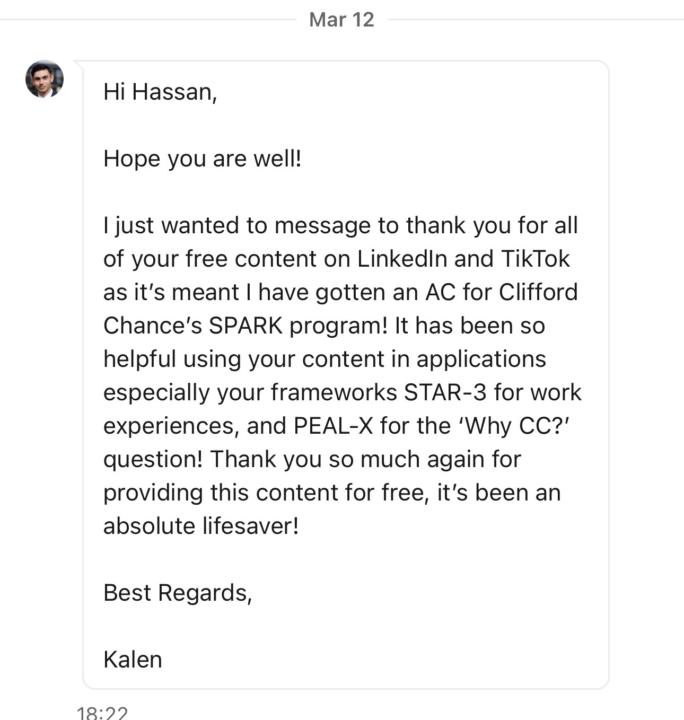
Free ECS content has already helped some people go from rejection to offers at top firms. If that’s what free can do, imagine what happens when we: – set your exact targets, – tear down and rebuild your answers, – and drill you on mocks until you sound like someone they actually hire. Free = frameworks. Paid = getting pushed to offer level.
0
0
Our frameworks generate outcomes at elite US firms
1-10 of 382
Hassan Akram
6
1,084points to level up
@hassan-akram-7877
Founder, Elite Careers Strategy – offer-engineering for elite law & front-office finance. Ex-IB/PE & corp-law recruiter; Harvard/MIT/Yale; TOI.

Active 15m ago
Joined Mar 7, 2024
London
Powered by