Activity
Mon
Wed
Fri
Sun
May
Jun
Jul
Aug
Sep
Oct
Nov
Dec
Jan
Feb
Mar
Apr
What is this?
Less
More
Owned by Fredrik
Vi har et mål om å bli Norges beste portal for helsepersonell og studenter. Start med å lese posten fra Fredrik "Hei og velkommen. Start her"
International EMS community for paramedics and EMTs. Real prehospital cases, focused courses, and expert Q&A to sharpen clinical decisions.
Memberships
1of10: The Youtube Blueprint
982 members • Free
Click Lab
19 members • $4,800/y
Subscribr
1.7k members • Free
Skoolers
196.1k members • Free
14 contributions to Learn Emergency Medicine

Dec '25 •
Hi and welcome! Start here.
We’re very happy to have you join the early access to Learn Emergency Medicine. Start by introducing yourself in a post below. Tell us a little bit about who you are, where you work, and what you hope to get out of this community! Choose "Introductions" as the post type. Then head to the Classroom and open the course called “Start Here.” There, I’ll walk you through everything you need to get up and running.
1 like • Mar 4
@Joey Knight Hey Joey — welcome to the community! 👋 Great to have you here. Even if you don’t encounter emergencies often, refreshing and building your knowledge is exactly what this community is for. Many critical skills in emergency medicine are things we rarely use, but when the moment comes, they really matter. Feel free to ask questions anytime — no question is too basic here. Out of curiosity: what made you interested in learning more about emergency medicine and first aid? — Fredrik
0 likes • Mar 16
@Joe Krikorian Welcome, Joe — great to have you here! 👋CPR training is one of the most impactful skills in emergency medicine when it comes to saving lives. Out of curiosity, what have you found works best when teaching people to retain and actually apply CPR under pressure? A lot of people perform well in the classroom, but the real test is when adrenaline hits in a real emergency. Would love to hear what you’ve learned from your experience.
Mar 16 •
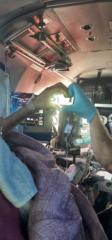
Do you have anything like this in your system?
Video from our YouTube channel: https://www.youtube.com/@LearnEmergencyMedicine
Mar 11 •
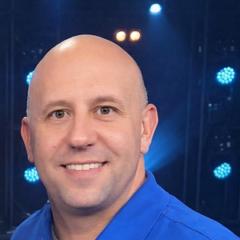
Retired EMS Instructor Checking In!
Hello everyone — glad to be here. I recently retired after about 30 years in EMS, serving as both a paramedic and EMT instructor, and later running an EMS education program for a state fire academy. Over the years I’ve been involved in everything from street-level response to curriculum development, instructor training, and continuing education. My academic background is in instructional design and course delivery, so I’ve always been particularly interested in how we teach medicine—not just the content, but the methods we use to help providers actually retain and apply what they learn. These days I spend a lot of time working with peer support programs and responder wellness initiatives, and I still enjoy contributing to conversations around EMS education, leadership, and the long-term sustainability of people in this profession. Looking forward to learning from the group and contributing where I can.
0 likes • Mar 14
Welcome to the community, Tim — really glad to have you here. Thirty years in EMS and leading an education program is an incredible amount of experience. Your background in instructional design is especially interesting, because one of the things we talk a lot about here is not just what we teach in emergency medicine, but how to teach it so clinicians actually retain it and can apply it under pressure in the field. I’d be very curious to hear your perspective after all those years in EMS education: What have you found works best to help students truly retain and apply clinical decision-making under pressure — especially once they’re out in the real world? Looking forward to learning from your experience and having you here in the discussions. — Fredrik
Feb 24 •
Greetings from Canada!
I am an Advanced Care Paramedic from Alberta, Canada that has practiced 17years with origins in rural ground EMS(10yrs) and now fixed wing critical care for the past 7. I have a deep passion for continuing education and I'm privileged at work to be surrounded by many like-minded individuals. In the past, I have been an EMS instructor at one of the academies that I took my initial training through and presently I work with our work-place educator to facilitate training of our roster. I'm excited to join the learning environment here as we share our knowledge and experience.
0 likes • Mar 4
Hey Josh — welcome to the community! Great to have you here. 👋 The mix of rural ground EMS and fixed-wing work must give you a really unique perspective on prehospital decision-making and resource management. It’s also great to hear you’ve been involved in teaching — people with real field experience who care about education add a lot to communities like this. Out of curiosity: what are some of the biggest clinical challenges you see in fixed-wing critical care transports compared to ground EMS? Looking forward to learning from your experience here. — Fredrik

Jan 15 •
Hello..!
I am general physician doctor who belive that emergancy medicine must be practiced by any doctor to be a safe doctor
0 likes • Jan 19
Hi @Amna Mohamed glad to have you onboard!
1-10 of 14
@fredrik-hoff-nordum-9379
Daglig leder Akuttundervisning AS. Lege og PhD stipendiat i anestesi. Tidligere ambulansearbeider med nasjonal paramedic videreutdanning.
Online now
Joined Dec 13, 2025
Norway
Powered by