Activity
Mon
Wed
Fri
Sun
Mar
Apr
May
Jun
Jul
Aug
Sep
Oct
Nov
Dec
Jan
Feb
What is this?
Less
More
Memberships
Mind and Body Solutions
219 members • Free
3 contributions to Mind and Body Solutions

17h •
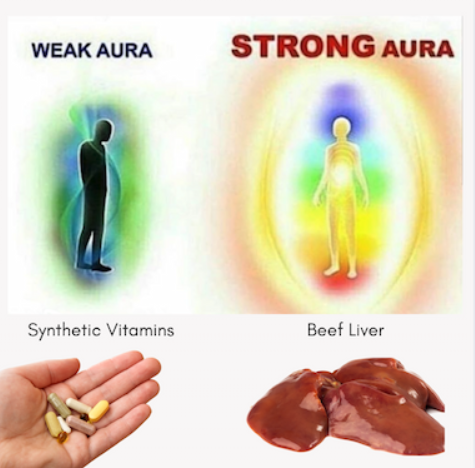
Synthetic vs natural vitamins!
This picture speaks by itself. Synthetic vitamins, byproducts of the oil and gas industry, are very hard to digest by the body. In fact, it depletes your energy! Compare to liver, which is Nature multivitamin!
0 likes • 13h
Thank you for sharing this 🙏🏼
9d •
The type of carbs that protect against dementia (and the ones that don't)
It's not just about how many carbs you eat, but which ones. A large prospective study published in the International Journal of Epidemiology followed more than 200,000 adults in the UK for over 13 years and found that diets centered on low-glycemic foods (fruit, legumes, whole grains) were associated with a 16% lower risk of developing Alzheimer's disease, while higher glycemic diets were linked to a 14% increase in risk. The glycemic index measures how quickly carbohydrate-containing foods raise blood glucose levels after eating, with foods like white bread and potatoes scoring high, while whole grains and most fruits score lower. This finding shouldn't surprise us. Highly processed foods disrupt the gut microbiome, and there's a strong connection between the gut and the brain. They also create blood sugar spikes and crashes, and we now know that Alzheimer's disease involves disrupted glucose metabolism in the brain. The quality of your carbohydrates matters just as much as, if not more than, the quantity. This is yet another compelling reason to choose whole, minimally processed foods over their refined counterparts.
0 likes • 6d
I love baked sweet potato, maybe I have to eat less of it for now on.
Oct '25 •
Introduce yourself to the community!
We’d love to get to know you and your journey! 💚 Share a little about yourself—what health goals you’re working toward, what’s been going well in your program, and any insights that could inspire others. You can also tell us about any challenges you’re still facing or areas where you’d like more support. We’re here to listen, guide, and celebrate every step of your progress with you! 🌱
2 likes • 9d
Hi I am Elisangela, I just starts my journey for a better health and more energy. I am in my 46 and experiencing tiredness and fatigue. I am looking forward for a more energized life. Thank you 🙏🏼
1-3 of 3
@elisangela-acevedo-9387
Elisangela Acevedo Yoga Teacher and fitness instructor.🙏🏼🧘🏻♀️
Active 13h ago
Joined Jan 30, 2026
Powered by