Activity
Mon
Wed
Fri
Sun
Jan
Feb
Mar
Apr
May
Jun
Jul
Aug
Sep
Oct
Nov
Dec
What is this?
Less
More
Memberships
Steve Coxon Soccer Network
260 members • Free
3 contributions to Steve Coxon Soccer Network

Nov 3 •
How to Help Your Athlete Stop Freezing Under Pressure By Coach Dave
Let me take you into a scene I’ve witnessed far too many times. The stands are packed. The gym is electric. Scouts are jotting notes on their clipboards. Parents are sitting on the edge of their seats, waiting for their kid to have that big moment. The ball swings their way… and there it is, the perfect opportunity. And then, they freeze. In a heartbeat, the moment’s gone. The play moves on. The crowd forgets. But you don’t. Because deep down, you know what that hesitation means. You know what it could cost them. I’ve seen this story unfold over and over again, athletes who dominate practice, who have all the tools to succeed, who’ve spent countless hours training, traveling, and sacrificing… only to tighten up when it matters most. When the lights shine the brightest, they disappear. Meet “The Avoider” We call these athletes Avoiders, not because they don’t care, but because somewhere along the line, their brain learned that pressure is dangerous. They start to believe that being seen means being judged. That messing up in front of others means something about their worth. So instead of attacking the moment, they play it safe. They don’t take the shot. They don’t call for the ball. They hesitate just long enough to miss the window. And every time it happens, the wiring in their brain gets stronger. The more they avoid pressure, the more they reinforce fear. Because here’s the truth: practice makes permanent, and that includes practicing hesitation. I once worked with a young athlete who lived this pattern. He was skilled, disciplined, and loved the game. But the moment the stakes rose, he disappeared. By the time his parents reached out, his coach had lost trust, scouts stopped showing up, and his confidence was fading fast. He didn’t need more drills. He needed to retrain his mind. Breaking the Avoider Pattern The good news? This pattern can be broken. It takes awareness, the right tools, and consistent mental reps, just like physical training. Here are three strategies I teach athletes (and parents) to help rewire this response and turn fear into fuel:
1 like • Nov 3
I use the Visualize success for a moment method with my players and it works. They train their mindset to think of the positives that can happen and eradicate the negatives. Also mindset in soccer is something coaches and scouts look for. When I scout a player I'm not looking for the 15 stepovers and a shot into the top corner, I look for what they do if they make a mistake, whats their body language like? Do they pick their head up? Are they focussed for the next play? 90% of soccer is played with your head so athletes mindset has to be strong.
1 like • Nov 3
@Stephen Coxon thanks for sharing this Steve. It was a brilliant read.
Oct 30 •
UK recruitment for USA College/Universities!
I have alot of players and parents ask me in the UK about being recruited for a US College/University?
Oct 14 •
Welcome! Introduce Yourself + Share a Pic!
Welcome! Introduce Yourself + Share a Soccer Pic! Let’s get to know each other and build our community! You can use this simple format: - Hi, I’m from _______________ - I/We are part of the ______________ (Name your team) - Class of ____________ Don’t forget to share a soccer pic—whether it’s an action shot, team photo, or a fun moment from the field! Good Luck!

0 likes • Oct 30
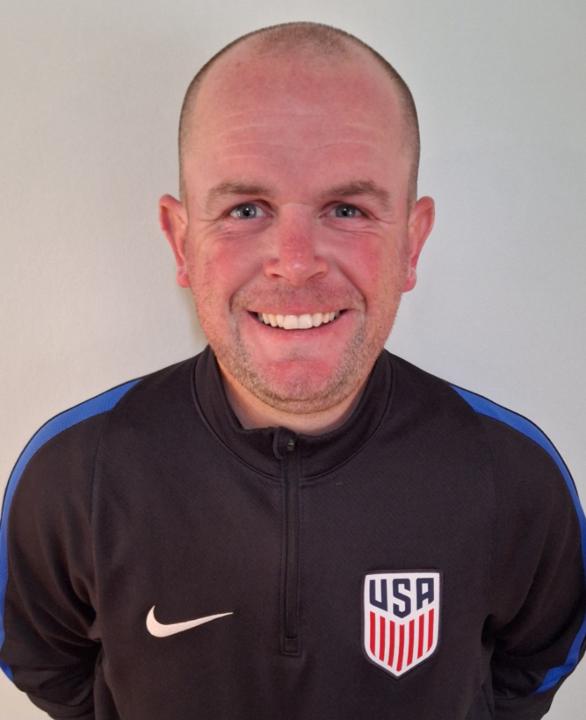
Hi Everyone. I'm Charlie Roberts. Former Academy coach at Norwich City in the EFL and current academy scout for Crystal Palace in the EPL. Also am a former D2 soccer player and collegiate coach for Salem State College MA, Worcester State College MA and SUNY Purchase college NY. I have coached and scouted in the UK, USA and New Zealand over the past 24 Years. I currently live back in the UK with my Wife Emma and my 2 children Lottie and Milo. I have worked with Steve on and off for the past 16+ years with CFC and now as International scout for Steve Coxon Soccer Network. I bring a wealth of experience within the soccer recruitment department. I look forward to seeing everybody's journeys. All the best, Charlie
1-3 of 3
@charlie-roberts-8597
Former D1 College Player. Former USL Championship assistant coach. Now back in the UK where I scout for EPL club Crystal Palace. Scout for SCSN
Active 7h ago
Joined Oct 30, 2025