Activity
Mon
Wed
Fri
Sun
Feb
Mar
Apr
May
Jun
Jul
Aug
Sep
Oct
Nov
Dec
Jan
What is this?
Less
More

Memberships

35 contributions to Patrick's Wellness Collective
2026 Is Not Coming to Save You — It’s Coming to Test You
As we step toward 2026, I want to challenge everyone in this collective with a simple but uncomfortable truth: Motivation is not something you find. It’s something you earn through commitment. Right now, it’s easy to feel inspired. New year energy. Big goals. Fresh vision. But the people who will look back at the end of 2026 with real pride are not the ones who felt motivated the most—they’re the ones who kept showing up when motivation disappeared. This next year will not be about perfection. It will be about consistency over comfort. There will be days you’re tired. Days life gets loud. Days where quitting feels logical. Those moments are not signs you’re off track—they are proof you’re on the path that actually leads somewhere meaningful. Wellness is not built in hype. It’s built in habits. In identity. In the quiet decisions no one claps for. If you want more energy, more confidence, more freedom, more life—you don’t need a miracle. You need standards. Standards for how you eat, how you move, how you speak to yourself, and how you show up when no one is watching. 2026 belongs to the people who decide in advance: - “I don’t negotiate with excuses.” - “I keep promises to myself.” - “I finish what I start.” Let’s not make this a year of talking about potential. Let’s make it a year of execution. Stay locked in. Stay disciplined. Stay connected to this community. And when motivation fades—as it always does—let purpose take over. This is our year to raise the bar.
2026 Is Not Coming to Save You — It’s Coming to Test You
2 likes • 8d
Small steps for the physical activity. Walk around the block. If you are watching TV march in place during the commercials. Of if you are like me and record everything, march in place for 10 mins while watching. Soon it will be a part of your routine.
The New Food Pyramid: What We Were Told vs. What Actually Works
For decades, we were taught that health meant building our diet on grains, limiting fats, and treating protein like an accessory. That food pyramid didn’t just influence school lunches—it shaped grocery stores, medical advice, and how an entire generation thinks about nutrition. Here’s the uncomfortable truth: That pyramid was never built around optimal human health. It was built around industry, convenience, and outdated science. Let’s break this down. The Old Model (That Many of Us Still Follow) - Base of the pyramid: breads, cereals, pasta, rice - Fats demonized - Protein minimized - Sugar quietly slipped into everything The result? - Blood sugar instability - Chronic inflammation - Hormonal disruption - Rising obesity, diabetes, and metabolic disease—despite “following the rules” If the old advice worked, we wouldn’t be seeing worsening health outcomes year after year. The New (More Honest) Food Pyramid Modern nutritional science flips the script: 1. Protein as the foundation Muscle, metabolism, hormones, immune function—protein is not optional. It is essential. 2. Healthy fats are not the enemy Fats support brain health, satiety, and stable energy. Removing them created more problems than it solved. 3. Vegetables over refined carbs Fiber, micronutrients, and gut health matter far more than empty calories. 4. Carbs are contextual—not evil, but not unlimited Quality, timing, and individual needs matter. Why This Matters Most people aren’t lacking willpower. They’re operating off bad information. You can’t out-discipline a diet that is metabolically stacked against you. In my opinion, the real wellness breakthrough isn’t another workout plan or supplement—it’s unlearning what we were told and rebuilding from evidence, not tradition. Curious where you started questioning nutrition advice—or what change made the biggest difference for you. Let’s discuss.
The New Food Pyramid: What We Were Told vs. What Actually Works
4 likes • 8d
Our lifestyles have changed since the old food pyramid. We have become so sedentary. We need to get back on track and look at our eating habits in a different way. Also, when the food pyramid originally came out, there were no preservatives and artificial ingredients in our food. One more thing - fast food is our enemy.
Tuning Forks: Subtle Tools, Powerful Support for the Nervous System
Tuning forks are one of those wellness tools that look deceptively simple, yet deliver surprisingly deep benefits when used intentionally. At their core, tuning forks use sound vibration to interact with the body. When struck, they produce a consistent frequency that travels through the air and, more importantly, through tissue, fascia, and the nervous system. Unlike music you hear passively, tuning forks are felt. Key Benefits of Tuning Forks • Nervous system regulation – The most immediate effect many people notice is a calming response. Specific frequencies can help shift the body out of fight-or-flight and into rest-and-digest. • Stress and anxiety reduction – The vibration provides a grounding sensation that can quiet mental chatter and release stored tension. • Improved body awareness – Because the vibration is localized, tuning forks help people reconnect with areas that feel “shut down,” tight, or disconnected. • Support for energy flow – In energy-based practices, tuning forks are often used along meridians, acupuncture points, or chakras to encourage balance and coherence. • Complement to other modalities – They pair extremely well with breathwork, meditation, massage, Reiki, yoga, and even journaling. Common Ways We Use Tuning Forks • On or near acupuncture points for relaxation and balance • Along the spine or joints to bring awareness and ease • Around the ears to support vagus nerve stimulation • During meditation or intention-setting to anchor focus • At the beginning or end of a session to help the body transition states Why I Like Them So Much In my opinion, tuning forks hit a sweet spot in wellness: They’re non-invasive, inexpensive, easy to learn, and deeply experiential. You don’t need to “believe” in anything for your nervous system to respond to vibration. The body does the work on its own. For people who struggle to relax, who feel disconnected from their bodies, or who are overwhelmed by constant stimulation, tuning forks can be an excellent entry point into deeper regulation and self-awareness.
Tuning Forks: Subtle Tools, Powerful Support for the Nervous System
4 likes • 17d
Never would have thought a tuning fork would help.
🚽 Something Most People Don’t Realize About Toilet Paper & Paper Products
Here’s a wellness truth that surprises almost everyone the first time they hear it: Most conventional toilet paper, paper towels, and napkins are bleached with chlorine or chlorine dioxide. That whitening process may make products look “cleaner,” but it comes with trade-offs that are rarely discussed. Why Bleach in Paper Products Matters When paper products are bleached, they can contain trace amounts of dioxins and chlorinated byproducts. These compounds are not added intentionally—but they are a known result of the bleaching process. Over time, repeated exposure may contribute to: - Skin and mucosal irritation (especially in sensitive areas) - Disruption of the body’s natural microbiome - Added toxic burden on the liver and immune system - Environmental contamination of water systems Toilet paper is particularly concerning because it’s used on one of the most absorbent areas of the body, daily, for years. Small exposures add up. Paper towels and napkins also matter because: - They come into contact with food - They are often used with heat or moisture, increasing chemical transfer - They create indoor air exposure when broken down or composted “But It’s FDA Approved…” So were cigarettes at one time. Regulatory approval usually looks at short-term safety, not long-term cumulative exposure across dozens of products used every day. Wellness is not about panic—it’s about reducing unnecessary inputs where better options exist. Better, Safer Alternatives The good news: switching is simple. Paper Products - Unbleached or chlorine-free toilet paper - 100% recycled, unbleached paper towels - Bamboo-based paper products - “PCF” (Processed Chlorine Free) labels Cleaning Options Many conventional cleaners contain bleach, ammonia, or synthetic fragrances that add to the same toxic load. Better options include: - Plant-based, enzyme-driven cleaners - Hydrogen peroxide–based disinfectants - Essential oil–based cleaners (properly formulated) - Simple DIY blends (vinegar, baking soda, castile soap)
🚽 Something Most People Don’t Realize About Toilet Paper & Paper Products
5 likes • 18d
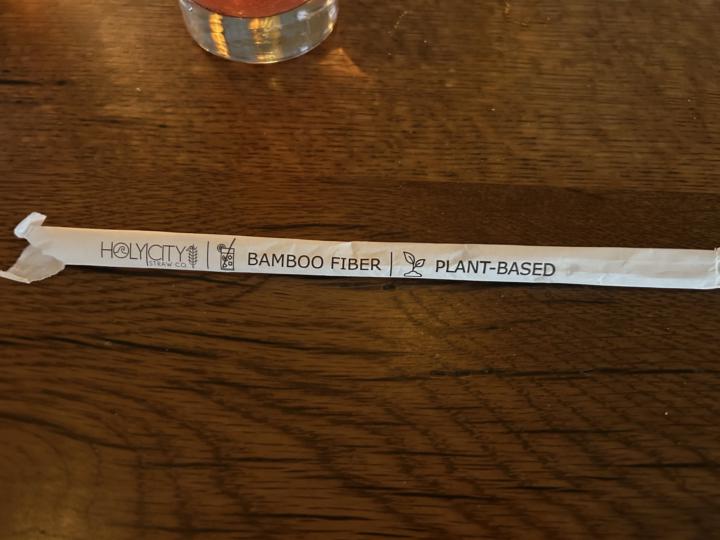
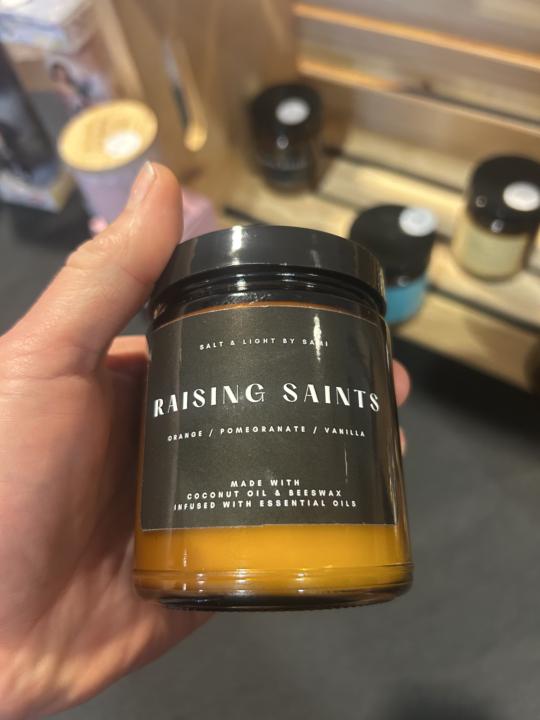
Start small. My cleaning products are now all clean and I have switched to bamboo paper products and clean burning candles with essential oils. I have always used laundry sheets and dryer sheets that are organic. Trying to eliminate plastics, but that is harder to do. Use my own bags at the grocery store. If you just make a small change, it can make a great impact on your health. Hope everyone is blessed in the New Year.
4 likes • 17d
@Ana Suri Yes, you do have to be careful. Read the ingredients. They are not always clean. Lots of products throw around the word "organic". I ordered organic shampoo once and I could smell the fragrance immediately. Sent it back.
5 likes • 25d
Hope everyone has a wonderful Christmas and many blessings for the New Year.
1-10 of 35
Carolyn McKenna
4
32points to level up
@carolyn-mckenna-6512
Retired.

Active 1d ago
Joined Jan 6, 2025