
Write something

Apr 11 •
7 mushroom 🍄🟫 tea
Enjoying my cold brew 7 mushroom 🍄🟫 black tea recipe for focus and energy. Any tea drinkers?

Apr 13 •
Avobenzone Dangers
Everyone talks about “boosting immunity”… But almost no one talks about what’s quietly working against it every day. Your immune system isn’t just influenced by what you eat. It’s also impacted by what you absorb through your skin. And one of the most overlooked exposures? 👉 Your sunscreen and lip balm. - ⚠️ The Hidden Ingredient: Avobenzone Avobenzone (also listed as butyl methoxydibenzoylmethane) is a chemical UV filter used in many sunscreens and SPF lip balms. Its role is to absorb UVA rays and convert them into heat. Sounds helpful… and it can be. But there are a few things most people don’t realize 👇 ⚠️ What You Should Know 1. It’s not very stable on its own Avobenzone breaks down when exposed to sunlight, which is why it’s often combined with other chemical stabilizers. 2. Those combinations can increase skin stress Some formulations may contribute to free radical formation, which adds to oxidative stress in the body. 3. It doesn’t just sit on your skin Certain chemical sunscreen ingredients can be absorbed into the bloodstream. The long-term effects are still being studied. 4. The science isn’t fully settled Current safety limits exist, but there’s still ongoing discussion around cumulative, long-term exposure—especially with daily use. 🧴 How It Shows Up More Than You Think This isn’t just about beach days. Avobenzone is commonly found in: - Lip balms with SPF - Daily moisturizers with SPF - Foundations and BB creams - Spray and “invisible” sunscreens So instead of occasional use… you may be applying it multiple times per day, every day. 🛡️ Immune Resilience Perspective Your immune system is constantly managing: - Inflammation - Oxidative stress - Environmental exposures So the better question becomes: 👉 Are you lowering your body’s burden… or increasing it? This isn’t fear-based. It’s awareness-based. ✅ Simple Swaps If you want to reduce exposure: - Choose mineral-based sunscreens (zinc oxide or titanium dioxide) - Check your lip balm labels

Apr 8 •
Cheat Meal Help
This was mentioned in my mp3. Cheat day? That’s OK! ShapeRite is a weight management supplement designed to support you along your body transformation journey as your cheat day buddy. This scientifically researched formula includes power ingredients like chitosan, dragonfruit extract, and hydrolyzed yeast extract to help offset the negative effects of high-fat, high-carbohydrate, and starch-heavy meals by binding fats and blocking excess carbohydrates and sugars. ShapeRite also offers appetite control and supports healthy glucose levels while helping balancing sugars. When sugars are balanced, calorie intake is more controlled, and you can better meet your weight management goals. Main Features - Can assist in decreasing excess body weight if used as directed and combined with a healthy diet and exercise - Supports fat and sugar metabolism and balances satiety hormones - Features chitosan and white bean extract to support weight management - Contains dragon fruit to support antioxidants and healthy cardiovascular function Click here to watch this quick video: https://4l.media/S7YIH
3
0
Mar 20 •
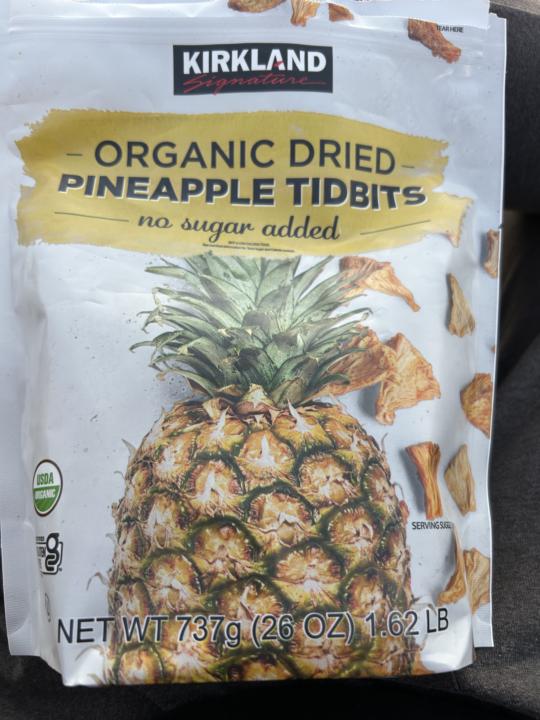
Dehydrated Pineapple 🍍
Most people overlook this simple snack—but dried pineapple tidbits can actually be a powerful addition to your immune resilience routine 🍍 Here’s why: First, pineapple contains bromelain, a natural enzyme known for its anti-inflammatory properties. Chronic inflammation weakens the immune system over time, so anything that helps reduce it is a win. Second, it’s a solid source of vitamin C. Even in dried form, pineapple supports your body’s ability to fight off infections, repair tissue, and strengthen overall immune response. Third, it provides quick, clean energy. When your body is properly fueled, your immune system functions more efficiently—especially during busy or stressful days. Now, a quick reality check: not all dried pineapple is created equal. Many store-bought versions are loaded with added sugars and preservatives, which can actually work against your health goals. What to look for: • No added sugar • No sulfites if possible • Organic or naturally dried options How to use it: • Toss into oatmeal or yogurt • Add to trail mix with nuts and seeds • Keep a small portion on hand for a quick energy boost Simple habits compound. You don’t need a complete lifestyle overhaul—just smarter daily choices that support your body consistently. Small upgrade. Real impact. What’s one snack you could swap this week to support your immune system a little better?
Mar 20 •
Family Fishing 🎣
There’s something about family fishing that you just can’t replicate anywhere else. No noise. No rush. No distractions. Just water, patience, and presence. Out there, time slows down. Conversations happen naturally—without phones, without pressure. You’re not forcing connection… it just shows up. And that tranquility? It’s not just “nice”—it’s necessary. Stress levels drop. Breathing slows. Your nervous system finally gets a break from the constant stimulation most people live in every day. That matters more than people realize—because chronic stress quietly wears down your immune system, your energy, and your overall health. Fishing creates space: • Space to think • Space to reconnect • Space to reset mentally and physically And when your kids (or family) are with you, those moments stick. Not because of how many fish you caught—but because you were fully there. No agenda. No pressure. Just time together. In a world that’s always “on,” choosing stillness is a power move. When’s the last time you gave yourself that kind of quiet?

1-30 of 53
powered by

skool.com/purely-rooted-8709
A supportive space to strengthen your immune system and manage stress with simple habits that fit your real, busy life.
Suggested communities
Powered by