Activity
Mon
Wed
Fri
Sun
Sep
Oct
Nov
Dec
Jan
Feb
Mar
Apr
May
Jun
Jul
Aug
What is this?
Less
More
Owned by Patrick
A supportive space to strengthen your immune system and manage stress with simple habits that fit your real, busy life.
Private team community for Root Force Mavericks enrolled in 4Life and actively implementing the Facebook Prosperity Plan.
Coach Builder Accelerator
58 members • Free
Holistic CEO
762 members • Free
Network Marketing Success
186 members • $5/month
412 contributions to Immune Resilience Lab

May 22 •
Contact info
To reach me: [email protected] YouTube: https://youtube.com/@patrickmckenna1974 Website: www.patrickjmckenna.com

May 20 •
🙏
Hey everyone, After a lot of thought, I’ve decided to officially close down the Immune Resilience Lab group. I truly appreciate every person who joined, participated, supported, and took part in the journey. Unfortunately, I’m no longer able to maintain the group consistently, and financially it hasn’t been profitable enough for me to continue operating it the way I’d like to. That said, this isn’t the end of my entrepreneurial journey. I’ve decided to shift my focus into other pursuits, specifically Amazon KDP publishing and Amazon Merch, where I’ll be putting more of my time and energy moving forward. My hope is that this group provided value, encouragement, education, and inspiration along the way. If even a few people benefited from the content, conversations, recipes, and health discussions we shared, then I consider that a win. Thank you again for being part of the community and for all of your support. Wishing everyone continued health, success, and growth moving forward.

3 likes • May 15
@Ana Suri It’s all for control. It’s good versus evil.
May 10 •
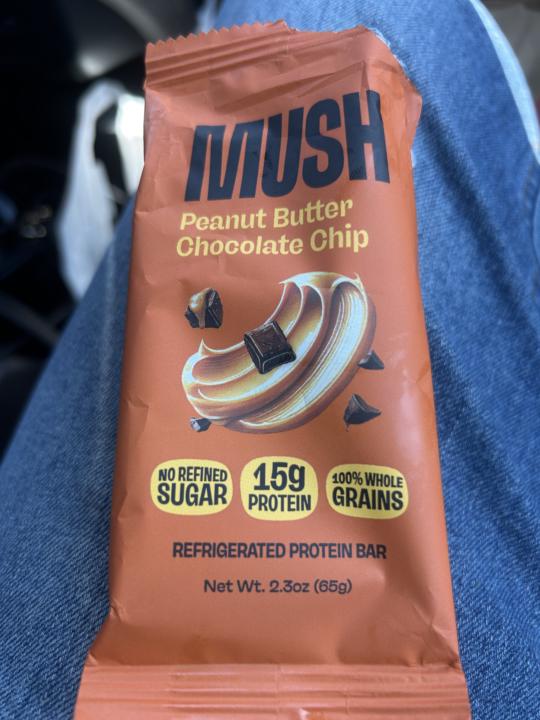
Mush
Found this brand on our trip to Chicago. Pretty clean and tastes better than most protein bars. What is your go to bar?👇🏻

1-10 of 412

@purelyrooted
Busy parents/ individuals looking for a holistic approach and immunity support to live longer/feel better and make an extra paycheck per month.
Active 2h ago
Joined Nov 27, 2024
Hendersonville, TN