Activity
Mon
Wed
Fri
Sun
Apr
May
Jun
Jul
Aug
Sep
Oct
Nov
Dec
Jan
Feb
Mar
What is this?
Less
More
Memberships
Crust & Crumb Academy
499 members • Free
36 contributions to Crust & Crumb Academy


2 likes • 29d
I use this recipe all the time and it is foolproof. Fermentolyse works like magic for elasticity of the dough.

⭐
🔥
Feb 17 •
Real Talk: How to Store Bread So It Actually Lasts
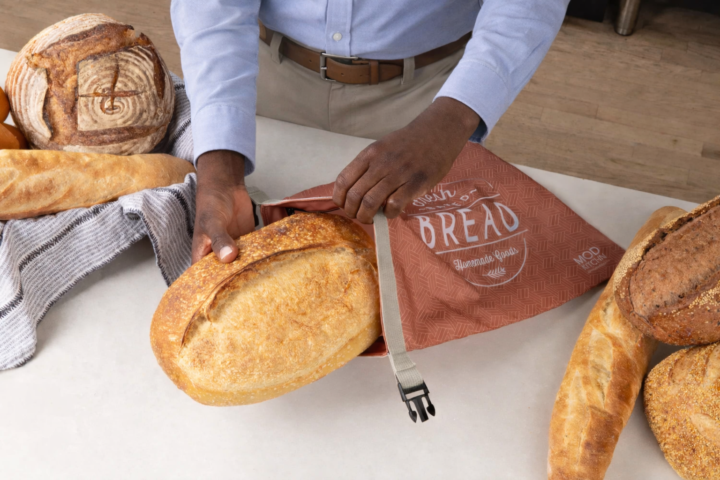
Leigh asked a great question that I know a lot of you are wondering about, especially with all those beeswax bag ads popping up in your feeds. So let's break this down with some actual information instead of marketing hype. What makes bread go stale? It's not drying out. Not exactly. It's a process called starch retrogradation, where the starch molecules in your bread recrystallize after baking. That's what makes bread firm and crumbly. Moisture plays a role, but it's really about managing the environment around your loaf. What you actually want in bread storage: You need something that holds in just enough moisture to slow retrogradation without trapping so much that your crust goes soft or, worse, you get mold. That's the balance. Too airtight and your crust is gone in hours. Too open and you're looking at a brick by day two. Let's talk options: Paper bags work fine for same-day or next-day bread. They let the crust breathe but your bread will dry out fast. Good for baguettes you're eating that evening. Not great for a loaf you want to last three or four days. Linen bags are a step up. Linen is naturally moisture-wicking, so it pulls excess humidity away from the surface while still allowing some airflow. If you're going this route, straight linen is your best bet. I'd skip the beeswax infusion, Leigh. Beeswax creates a barrier that traps moisture against the crust, which is exactly what you don't want. Your beautiful linen does the job better on its own. Beeswax wraps and bags look great in ads, but they're designed more for cheese, produce, and leftovers. For bread specifically, they tend to make the crust go leathery and can speed up mold in warmer kitchens. They're not bad products, just not ideal for artisan bread. Bread boxes with vents can work well. They create a microclimate that balances airflow and humidity. The key is making sure it's not sealed tight. A good bread box with some ventilation will keep a loaf solid for two to three days. What I actually use:
3 likes • 30d
@Judy Lyle I also have been using the beeswax bags and the bread has lasted 5 days…it gets eaten before going stale.
1 like • 30d
@Judy Lyle yes! Just wipe out and reuse. I have two as gifts for Christmas.
⭐
🔥
Feb 10 •
🧂 Quick Tip: Grab Some Maldon Salt This Week
If you’re at Costco, Walmart, or the grocery store this week, throw a box of Maldon sea salt in the cart. You’ll need it for Saturday’s focaccia, and once you have it you’ll use it on everything. Pretzels, roasted vegetables, finishing steaks, you name it. A box costs a few bucks and lasts months. Here’s why it matters for this bake. Regular table salt or fine sea salt dissolves into the olive oil and disappears. Maldon’s pyramid-shaped flakes hold their shape on the surface, giving you visible crunch and little pops of salt in every bite. That’s the texture contrast that makes Ligurian focaccia special. The brine seasons the bread from within. The Maldon finishes it from the top. 📖 Check the full ingredient list in the Pantry so you’re ready for Saturday: https://pantry.bakinggreatbread.com/recipes/ligurian-style-focaccia

1 like • Feb 14
@JoAnn Amato try on freshly baked chocolate chip cookies or butterscotch blondies. Game changer!
1 like • Feb 14
@JoAnn Amato wonderful! My granddaughter loves them with Sal sprinkled on top.
⭐
🔥
Feb 9 •
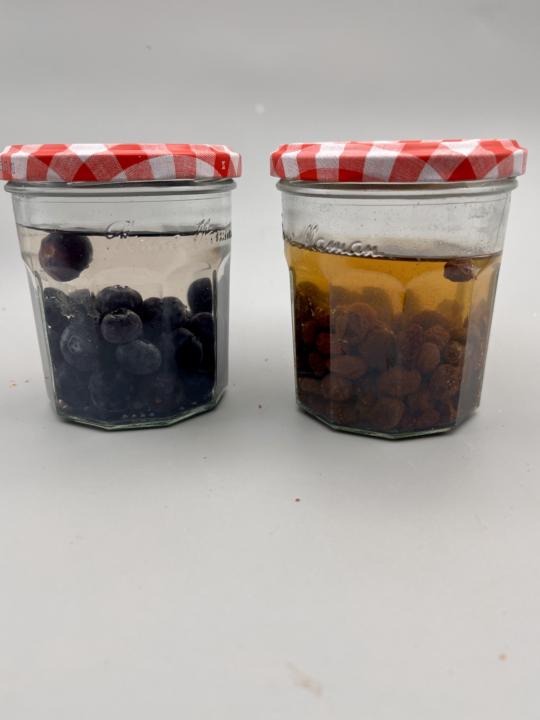
Day 6 update on my yeast water experiment.
I’ve got two jars going side by side: one with fresh blueberries, one with raisins. Started them both on February 7th. Same ratios, same routine, stirring daily. After five days? Honestly, not much happening. Some cloudiness, but no real bubbles, no fizz, no floating fruit. The culprit? Temperature. Our house has been running cold, and yeast water needs warmth to wake up. Wild yeast gets sluggish below 70°F. It’s not dead, just slow. So today I moved both jars into my Brød & Taylor proofer set to 78°F. Shook them up good and gave them a warmer home. This is exactly what I talk about in Module 5: when nothing seems to be happening, check your environment first. Nine times out of ten, temperature is the answer. I’ll keep you posted on what changes over the next couple of days. Expecting to see real activity now that they’ve got consistent warmth. Anyone else running yeast water right now? How’s yours looking?
1 like • Feb 10
My organic red grapes developed mold Day 2, waited until Day 3 and had to throw them out . 😔. Trying again later in the week.

Feb 6 •
I’m trying the Foolproof sourdough
I haven’t made a loaf of sourdough in a few weeks. I thought that I would try this one, since I haven’t tried yet. Fingers crossed
2 likes • Feb 7
@Tracy Havlik it’s my “go to” recipe. You will like it.
1-10 of 36

@belinda-kovach-4101
In retirement pursued passions gardening, baking, yeast and sourdough, and teaching yoga.
Active 8h ago
Joined Jan 5, 2026
Helotes/San Antonio TX