
Write something

⭐
🔥
14h •
SATURDAY BAKE-ALONG: Brown Butter Peach Cobbler Cinnamon Rolls
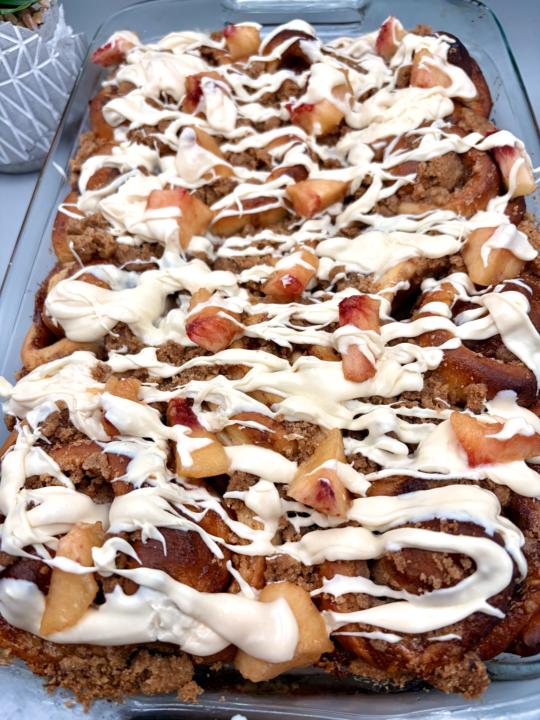
This is it. Today we bake together. This thread right here is home base. Post your progress in the comments as you go, your mixing, your rolling, your cutting, the pretty ones and the ugly ones, all of it. Ask your questions here too. I’ll be in and out of this thread all day, coaching, cheering, and answering. You are not baking alone today. Here’s the recipe, yeasted and sourdough, whichever road you’re on: https://pantry.bakinggreatbread.com/recipes/brown-butter-peach-cobbler-cinnamon-rolls THE FLOW FOR TODAY Get your pieces ready. Cold dough. Cooled peach jam with no free liquid. Your cinnamon smear. Streusel out of the fridge and into the freezer 30 minutes before you need it. And a few raw peach pieces set aside for the garnish. Roll it out. Long side facing you, into a rectangle. Leave the bottom inch bare so you can seal the seam. Fill it. Dollop the smear and spread it gentle with your hand, not a tool. Then the peach jam, thin and even. Remember, drain the water, respect the water. Roll and cut. Snug, even log. Pinch the seam and set it seam side down. Trim the ends, then cut 12 rolls with unflavored dental floss. Pan and proof. Big rolls on the outside edges and corners, small ones in the middle. Proof until puffy and just touching. Streusel and bake. Cold streusel on top. If you’re running the heavy cream trick, pour the cream first, then the streusel. Bake at 350F until the middle of the dough reads 190 to 195F, and temp the dough, not a peach pocket. Foil tent if the tops race ahead. Finish. Cool a bit, drizzle the frosting instead of smearing it, and crown it with that raw peach, red side pointing up. Sourdough crowd, if your dough is still finishing its proof, take your time and jump in whenever you’re ready. No rush. We’ll be right here. Now let’s make a mess and make it beautiful. Post those first photos. Show me where you’re starting. I’m in the kitchen with you.
⭐
🔥
1d •
🍑 It’s Friday, and you know what that means. Tomorrow we bake.
Before we do, I want to see who’s baking what. So let’s take a poll. Which version are you making? 🍞 Yeasted, the same-day bake: https://pantry.bakinggreatbread.com/recipes/brown-butter-peach-cobbler-cinnamon-rolls 🥖 Sourdough, feeding the starter and taking the slow road: https://pantry.bakinggreatbread.com/recipes/sourdough-brown-butter-peach-cobbler-cinnamon-rolls Vote below, then meet me in the comments. Tell me if you’re baking with anything other than peaches. Frozen, canned, apples, pears, berries, I wanna hear it. Show me what’s going in your rolls tomorrow. We’ve spent all week getting ready for this. Tonight you prep, tomorrow we bake together. I can’t wait to see your kitchens light up. Who’s in? Perfection is not required. Progress is. Henry ⭐🔥
Poll
22 members have voted

🔥
16h •
Henry where are you? Let’s get this bake started!
Good morning all you bakers! The kitchen heating up! Rolling the dough for some great cinnamon rolls today to bake before the heat bakes me!
⭐
🔥
4d •
Brown Butter Peach Cobbler Cinnamon Rolls.
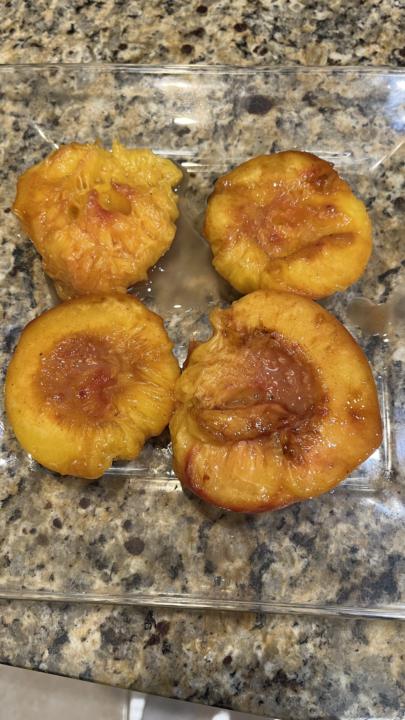
Let me tell you what that means. Pillowy dough, rolled soft and slow. Inside, peaches roasted down till they’re sweet and jammy, folded through with warm cinnamon. Brown butter running under all of it, nutty and deep, the kind of smell that pulls the whole house into the kitchen before you even call anybody. A brown butter cinnamon crumble baked crisp and golden across the top. Then ribbons of buttercream frosting drizzled over the warm rolls, settling down into every fold. And fresh peaches, scattered right on top, bright and juicy against all that spice. Peach cobbler and a cinnamon roll, together. A piece of Carolina summer you pull apart with your hands. I’m a Southern boy. Down here, peach cobbler is a staple and a delicacy both at once, and taking something I grew up on and folding it into a cinnamon roll we all know by heart, well, that’s my prerogative. That’s what we’re baking this week inside Crust & Crumb Academy. If your mouth is watering right now, good. That’s the whole point. Pull up a chair. ~Henry⭐️🔥

⭐
🔥
2d •
Two days out. What’s the one thing about Saturday’s bake you’re unsure about?
The brown butter? The roll and cut? Keeping the filling from leaking? Which fruit to run? Ask it right here. No question’s too basic. If you’re wondering it, three other people are too and they’re just quieter about it. I’ll be answering in the thread tonight. Perfection is not required. Progress is. Henry ⭐🔥

1-30 of 349
powered by
skool.com/crust-crumb-academy-7621
#1 Sourdough Community on Skool 🍞
Coaching, not judgment. Sourdough, starter, yeasted, enriched & every bread between.
✅ ProveWorth Certified ⭐⭐⭐⭐⭐
Suggested communities
Powered by