Activity
Mon
Wed
Fri
Sun
Mar
Apr
May
Jun
Jul
Aug
Sep
Oct
Nov
Dec
Jan
Feb
What is this?
Less
More
Memberships
Soft Power Academy 🌸 📖
55 members • Free
The Feminine Healing Lounge🌸
99 members • Free
Juicy Kitty Kare Queen Program
41 members • $26/month
LAJA's Soft Living Society
30 members • $29/month
CASHFLOW QUEENS
81 members • $1,111
Peptide & Hormone Biohacking
266 members • Free
Feminine Finance Mastery 💄💰
80 members • $47/month
Dating For Marriage 💍
784 members • $9/month
Feminine Energy Academy🌹💍💰
370 members • $37/month
12 contributions to The Feminine Healing Lounge🌸

🔥
2d •
Extra check!
I got a check from my last job. That I left over 2 months ago so I wasn’t expecting a check from them!

0 likes • 2d
This is fantastic
🔥
7d •
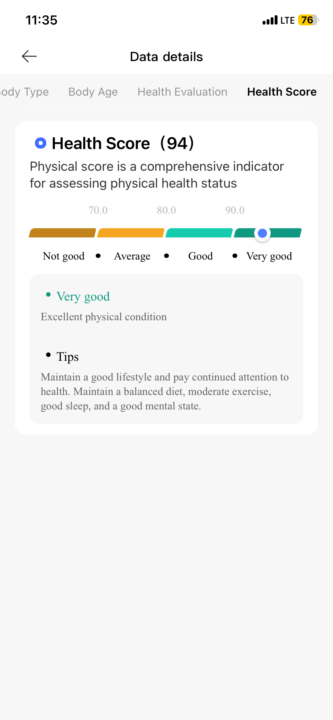
I’m grateful that I’m Aging in Reverse!!!
I’m turning 45 in April but my metrics says 41! My muscle mass and muscle rate are excellent! Which means faster and easier fat loss. Overall 94% Health Score!!!
1 like • 5d
Wow this is amazing beautiful

15d •
Mindful Mama Tip Of The Day!
As I was self-reflecting of mistakes I made raising my nephew and sisters over the years… I remembered a huge mistake I made which was overcompensating because I was feeling guilty about them having absent or toxic parent dynamics…or for many of you moms it could be “mom guilt” from an absent…but let me share what I’ve learned through my experience… Over-giving and over-doing for your kids often comes from love, guilt, fear, or a desire to protect them from discomfort, but when it becomes a pattern, it can quietly create long-term harm for both parent and child. Here’s why 👇 1. It weakens emotional resilience When kids are constantly rescued, soothed, or over-accommodated, they don’t get enough practice tolerating frustration, disappointment, or discomfort. Struggle is where coping skills are built. Without it, kids may grow into adults who feel easily overwhelmed or dysregulated. 2. It teaches entitlement instead of gratitude When everything is given without effort, being earned, boundaries, or contribution, children can unconsciously learn expectation rather than appreciation. This doesn’t mean being harsh, it means allowing age-appropriate responsibility and contribution. 3. It disrupts healthy boundaries Over-doing often leads to blurred roles where the parent becomes over-available, over-involved, or emotionally fused. Kids then struggle to learn independence, self-trust, and problem-solving because the parent is always stepping in. 4. It models self-abandonment Children learn more from what we model than what we say. When they see a parent constantly exhausted, depleted, or resentful from over-giving, they internalize that love equals self-sacrifice, and that their needs should come at the cost of others. 5. It can create anxiety in children Over-functioning parents often send the unspoken message: “The world isn’t safe unless I control everything.” Kids may then develop anxiety, insecurity, or fear of making mistakes because they haven’t been trusted to handle things on their own.
1 like • 15d
I love this. Thank you for sharing.
🔥
15d •
Whoosh Fat Loss!
After 3 months of strength training( scale not moving but losing inches)taking a week off, and then taking electrolytes the last few days: I woke up earlier this week and lost 3 pounds( and haven’t gained it back). I asked Chat. He said that my body is at advanced fat loss stage and that my body just felt safe to release the water to show the fat loss( that I knew was happening because of the inches lost) There is something about that scale going down. I’m at 147, 5’6. Just be patient ladies and stay the course, trust the process.
1 like • 15d
Congratulations beautiful, Aging in reverse.
🔥
16d •
Luxury L’OREAL skincare Haul
I’m so grateful for the goodies I received today. I can’t wait to get into it!🤗
1 like • 16d
Yayyyy
1-10 of 12