Activity
Mon
Wed
Fri
Sun
Jun
Jul
Aug
Sep
Oct
Nov
Dec
Jan
Feb
Mar
Apr
What is this?
Less
More
Owned by Alberta
For Christian mums ready to stop delaying and start building the business idea God placed on their hearts with clarity and consistency.
Memberships
SkoolHers
569 members • $9/month
Grow With Evelyn
2.8k members • $33/month
Digital Money Moves
343 members • $37/month
The KDT Collective
37 members • $24/month
Rooted to Rise in Faith Moms
58 members • Free
Worshipreneur
1k members • Free
GodGirls
283 members • Free
The Profitable Christian Coach
680 members • Free
The Thrive Tribe!
42 members • Free
33 contributions to INFLAMELESS LIVING

🔥
6d •
🎁🎁🎁Tuesday is for gifts...🎁🎁🎁
Good morning, beautiful people! You have a new gift for those of you on Level 4 and above. https://www.skool.com/anti-inflammatory-lifestyle-1274/classroom/5c02c51d?md=a13cf6e4ffe144599fd68725f06601fb Download it and use it everyday! 🥑🥑🥑🥑🥑🥑🥑🥑🥑🥑🥑🥑🥑🥑🥑🥑🥑 And for those still on Level 1, 2, 3, say hi, don´t be shy! Engage by posting and commenting today! 🥑🥑🥑🥑🥑🥑🥑🥑🥑🥑🥑🥑🥑🥑🥑🥑🥑


🔥
2 likes • 6d
Thank you Elena!
🔥
9d •
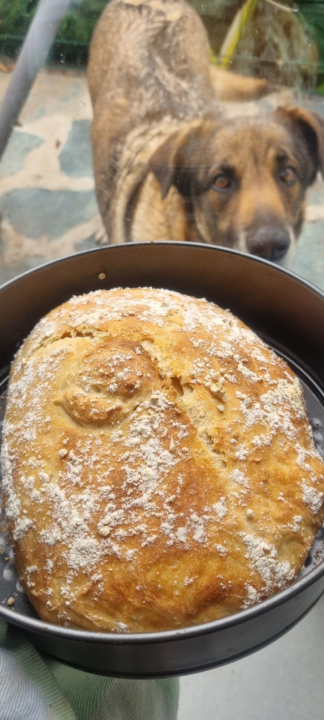
The Bread, The Dog, and the Superpower
Let's be real: we're all busy. Between work deadlines, family commitments, and trying to have a social life, the "frozen pizza diet" is a tempting trap. But look at this loaf! We baked this today, and beyond the amazing smell filling the house, it reminded me why cooking is a superpower. So why should you grab an apron and go into the kitchen? Well, there is something incredibly therapeutic about kneading dough or chopping veggies. It´s one of the few moments where you genuinely can't be scrolling through your phone. And when you cook, you know exactly what's going in. Better ingredients. A great vibe because nothing brings people together like fresh food You can see in the photo! Our dog is currently reconsidering all his life choices just to get a slice of this bread. And cooking is a superpower because you get to be creative. Want extra garlic? Do it. Want to try a weird TikTok recipe? Go for it. You're the boss! You don't have to be a MasterChef. Start small but start today! Boil an egg, sauté some greens, or try a simple no-knead bread like this one. Your wallet, your health and your very hopeful pets will thank you!
🔥
3 likes • 7d
That’s looks yummy 😋
🔥
8d •
April Gut GlowUp Challenge - WEEK 3
I hope that last week was a good starting point of introducing fermented foods in your diet (for those of you who embarked in the challenge). 💧💧💧💧💧💧💧💧💧💧💧💧💧💧💧 This week is about hydration. 💧💧💧💧💧💧💧💧💧💧💧💧💧💧💧 📌The Goal: Flush toxins and ensure that the extra fiber from Week 1 can actually move through your system. Without adequate water, high fiber intake can actually cause constipation. Water is the "lubricant" for the fiber "broom." 🚩 The Daily Hydration Checklist - The Morning Flush: lukewarm lemon water upon waking to jumpstart digestion. - The "Between" Rule: drink most of your water between meals rather than during, to avoid diluting digestive enzymes. - The Evening Soothe: a cup of Ginger or Peppermint tea to reduce gas and bloating before bed. - Electrolyte Hack: add a pinch of sea salt to your water to help your cells actually absorb the moisture. Or choose real mineral water (check the label). NOT FOR THOSE OF YOU WITH HYPERTENSION!!! It would be interesting keeping a track this week to see how much water you actually drink during a day (that is related also to how many fresh veggies and fruit you consume).

🔥
3 likes • 7d
@Elena Maren thanks for that!

🔥
7 likes • 12d
The call ended so quickly… Had to go out but looking forward to the recording.
🔥
15d •
Sunday Story: The Forest Floor and the Art of Letting Go
Walk into an ancient forest and you will notice that the ground is soft, yielding beneath your boots. This is the richest soil there is and it is the forest’s memory. Throughout the year, the canopy sheds its tired leaves and old branches succumb to the wind, falling into the shadows below. To the casual observer, this looks like death or waste. But to the forest, it is the beginning of a masterpiece. Fungi, bacteria and hidden invertebrates descend upon this debris, breaking down the complex structures of the past into the raw nitrogen and carbon required for the future. Without this cycle of decay, this formation of humus, the forest would literally choke on its own history. It would run out of room to grow and nutrients to thrive. It survives because it knows how to recycle itself. Deep within the microscopic landscape of your own body, a nearly identical process of "intelligent decay" is happening right now. It is called autophagy: a word derived from the Greek for "self-eating." For decades, we thought our cells were relatively static until they died. But in 2016, a Nobel Prize-winning discovery confirmed that our cells possess an exquisite internal recycling program. When the cell detects that a protein has become misfolded or an organelle (like a tiny cellular power plant) has become sluggish and damaged, it doesn't just leave the "trash" lying around. It creates a specialized bag called an autophagosome, captures the debris, and delivers it to a recycling center called the lysosome. There, the waste is stripped down into its basic building blocks - amino acids and fatty acids - which are then released back into the cell to build something brand new. Autophagy is the body’s internal "forest floor." It is how we stay young at a cellular level, clearing out the metabolic clutter that leads to inflammation and decay. But there is a catch: the forest floor only works effectively when the canopy stops dropping new material for a moment. In our bodies, autophagy is governed by a delicate energetic switch. When we are constantly "fed" - consuming calories from dawn until late at night - the body stays in a state of growth and storage. The signal to "clean up" never arrives. It is as if the forest were hit by a perpetual autumn where leaves never stop falling, eventually burying the decomposers before they can do their work. When autophagy is suppressed by constant snacking and high insulin levels, cellular "trash" accumulates. This buildup is a primary driver of everything from brain fog and low energy to more serious age-related decline.

🔥
4 likes • 14d
This really helped me lose some weight and resolve gut issues I had a couple of years ago. But I have struggled in the last few months. Looking forward to listen in.
1-10 of 33

🔥
@alberta
Helping Christian mums called to more beyond motherhood overcome doubt and fear & build profitable businesses aligned with their calling and family.
Active 30m ago
Joined Mar 19, 2026
Cote d'Ivoire