Activity
Mon
Wed
Fri
Sun
Oct
Nov
Dec
Jan
Feb
Mar
Apr
May
Jun
Jul
Aug
Sep
What is this?
Less
More
InnerDevelopment@Work
518 members • Free
109 contributions to InnerDevelopment@Work

Aug 21 •
🌱 Back from vacation? Join us Aug 25th for a casual hangout + Portugal farm trip
Hi everyone, Whether you’ve been taking time off in the summer sun or embracing the quiet of winter break, we hope you’ve had a chance to rest, reset, and recharge. As we ease back into rhythm, we have a couple of dates to mark on your calendar: ☕ Casual Hangout — Tuesday, August 25th: A relaxed, informal space to catch up and reconnect after the break. 👉 Click here to RSVP for the Aug 25 Casual Hangout 🚀 Skillbuilders Return — Tuesday, September 8th (we skip Sept 1st) Here is what else is happening in our ID@Work community : 1. Portugal Farm Gathering: "Painting the Walls" & Being Human Together Dates: September 21st – 27th, 2026 Host & Location: Regenerative Farm near Porto, Portugal — hosted by community member @Maria do Céu Bastos The Story: Rather than a structured retreat or formal workshops, this week is all about simply being human together. We’ll be helping Maria on her farm, cooking together, sharing laughs, and helping her prepare for a big Saturday event on regenerative farming that she is hosting. The Invitation: Maria has space for about 5 people to stay overnight in her home (see pics). Whether you live nearby, are traveling through Europe, or want to fly into Porto: - You can join for the full week, pop in for 2–3 days, or come by for a single day. - It’s completely flexible and relaxed—a special chance to plant "heart seeds and brain seeds" for how we want ID@Work to grow together as a community. 👉 How to Join: If you’re interested in coming along or have questions about logistics, drop a comment below ! *** 2. 💬 Community Discussion: Which program changed the game for you? There's also new thread in the community to collect recommendations on learning experiences, workshops, cohorts, or retreats that have had a real, lasting impact on how we work and live.

2 likes • 27d
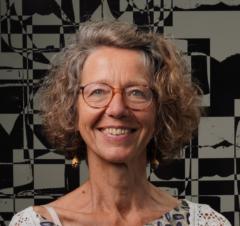
I m hoping to join - as long as my mind reminds me and I don’t go off and have lunch somewhere else 🙃😀
2 likes • 24d
lol - hadn’t seen this comment - it was about joining the lunchtime conversation 🙃
26d •
🎥 Replay: Regenerative Farming, Community Economies & Virtual Farm Tour Planning!
Hey everyone! 👋 If you missed today's hangout, the replay is now live! We had an inspiring conversation with @Maria do Céu Bastos , who shared her journey of turning her 1 acre land in Minho, Portugal, into a thriving hub for sustainability, resilience, and community connection. ▶️ [Watch the Replay Below] 🌟 Key Highlights & Discussions - 🌾 From City Life to Regenerative Farming: Maria shared the raw realities, challenges, and joys of running a 1 acre farm—from dealing with drought and mulching to harvesting seasonal crops and making homemade jams and chutneys. - 🎟️ Alternative Local Economies: We explored local exchange systems (like the French Système d’Échange Local), coupon-based trading for goods and services, time banking, and seasonal produce basket models (CSA). - ♻️ Community & Policy Action: Maria discussed organizing local swap fairs and opening policy dialogues around recycling and waste management in her village. - 🎬 Resource Shoutout: Flip recommended the film The Biggest Little Farm for anyone interested in regenerative organic agriculture. 📅 Mark Your Calendars: September Farm Event & Virtual Tour! We are planning a special co-working & hands-on week at Maria’s farm from September 21–26! - 🇵🇹 Join Us Live in Portugal (Sep 21–26): You are warmly invited to visit Maria’s farm in Minho for a week of co-working, hands-on learning around pre-industrial skills, and living together in nature! Reach out to Maria or drop a comment if you'd like to join in person. - 💻 Virtual Farm Tour & Brainstorm (Sep 22nd): For those who can't make it to Portugal in person, we are extending our regular Tuesday online meeting to 1 hour to include a live virtual tour of Maria’s farm and a group brainstorming session!

2 likes • 24d
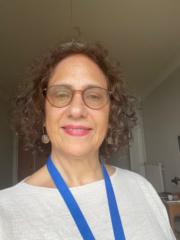
Thank you @Sarah Santacroce for posting and Thank you @Nadene Canning for your returns. It was a rich exchange. - Figs, I would love to come by and pick some - Creators of Peace - Peace Cirlces & More - I will invite them in any case: https://creatorsofpeace.org/ - Permaculture PUlly. If in and around Lausanne / Pully area please look / come by or contact me if you’d like to know more: http://permaculturepully.ch/ Tomorrow, Saturday, Aug 29 we will be there mostly all day till about 15h or maybe longer. - I look forward to seeing some in person soon. Have a lovely weekend
Jul 23 •
The Seeds We Sow
How can inner development become a catalyst for societal transformation? This new peer-reviewed paper by Professor Christine Wamsler and colleagues offers compelling evidence that spiritual and awareness-based practices can strengthen resilience, agency, hope, and engagement in the face of today's polycrisis. It's encouraging to see rigorous research exploring how inner transformation and systemic change can reinforce one another. A valuable contribution for anyone working in regenerative leadership, systems change, climate action, or the Inner Development Goals. 🌿 Paper

1 like • Jul 23
There are many articles within this issue. Thank you Nadene. https://jabsc.org/index.php/jabsc/issue/view/804
Jul 18 •
Caux IDG Forum - Thinking of you with appreciation
I have been quiet here I have been busy elsewhere The 3rd CauxIDG Forum ended yesterday. This year’s theme was Forgiveness Over 220 people joined from all over the world. I will need time to process the richness of the encounters. ONE thing came up again and again is the importance of our connection to each other and all living things to thrive. To the InnerDevelopment@Work friends who crossed my path @Elif Kus Saillard @Andreas Rechter @Simone Reeves @Sandra Lace @`Mila Aliana @Sara Ramsey @Montserrat de Muller @Veronique Sikora Gasser @Andres Marquez-Lara @Montserrat de Muller @Sara Øllgaard @Nina Bressler @Ines Mokdadi @Leigh Johnson @Virginia Williams @Peter Nielsen @Barbara Holzner @Caroline Wacker @Kevin Leinbach @Marina Protopopoff @Sibylle Breiner Thank you for doing ALL that you bring into this world 💕🌸🌟🙏🏼 Hope to see everyone who can make a summertime hangout online during the summer to hear more about what each of you have been brewing 😊

1 like • Jul 23
Good Morning, Having come down the mountain, and been back up a couple of days for the Global Fellowship Gathering (GFG) in Caux, I am feeling gratitude for all that this summer has brought so far. I have not only taken part in the CauxIDG forum - the Alchemy of Forgiveness, but also the Caux Democracy forum, and met people at the GFG, which I am still listening to from home. Now, I am wanting to slow down and come to realise all that has taken place, that has transpired from these moments of connection, peacefulness, reconciliation with self, and others, forgiveness, truthfulness and so much more. I am needing time to be here at home, slow down, to take care of my cat who yesterday had to go to emergency, and connect with and spend time with my son and the community around me. I want to also let land and relish in this past month. I look forward to being more present here, in this community, too. Sending you much love, Véronique
1-10 of 109
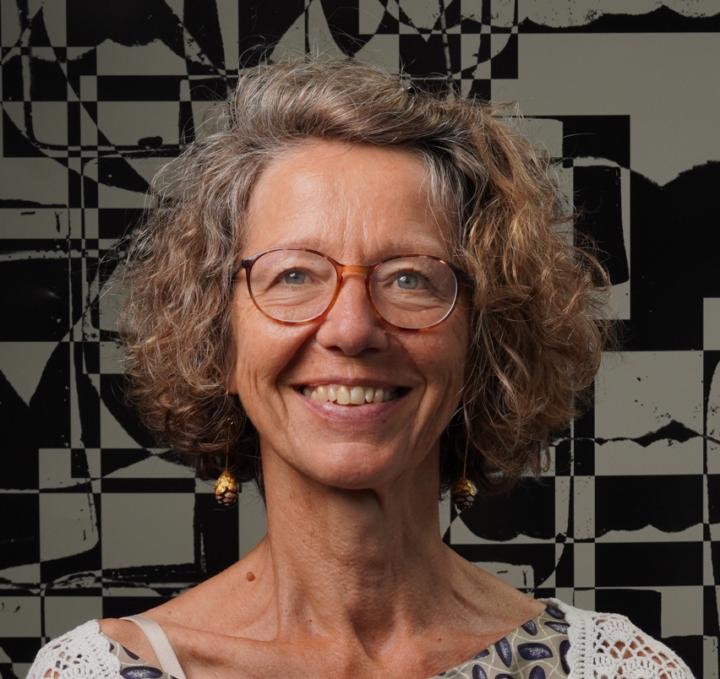
@veronique-sikora-gasser-3523
Presence in Action Practitioner. Facilitating-Listening-Co-creating. Walking alongside youth. Passionate about IofC-CH.
“Love is deep data”.
Active 2d ago
Joined Mar 12, 2025
Switzerland
Powered by