
Mar 23 (edited) • Planning & Pre-Lift Failures
Lift Plan Mismatch & Unsafe Operation Near Power Lines
Incident Overview
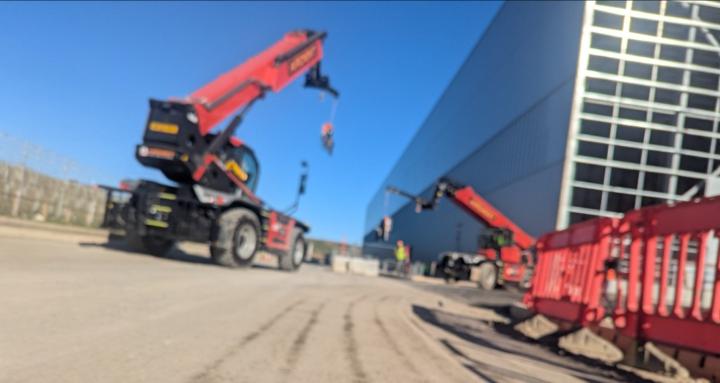
During a contract lift on a construction site, the lift supervisor identified that the lift plan drawings did not match the actual site conditions. A tram power line was shown as being approximately 4 metres away from the crane, but in reality it was positioned less than 3 metres away and directly above the crane setup area.
When raised with the Appointed Person (AP), the proposed solution was to “find a sweet spot” by moving the crane with the boom raised — a method not included in the lift plan.
Additional failures included lack of radios, missing exclusion zone barriers, no competency checks during induction, and unverified claims that the power lines were isolated.
What Went Wrong
Lift plan drawings were inaccurate and not site-verified
Crane positioned within unsafe proximity to overhead power lines
Unplanned crane movements introduced outside the lift plan
No formal confirmation or proof of power line isolation
Inadequate communication systems (insufficient radios)
No exclusion zones established
Competency and ID checks not carried out during induction
Pressure and poor attitude from AP when safety concern raised
Key Lessons Learned
Lift plans must reflect real site conditions, not assumptions
Any deviation from the lift plan requires stop and re-plan
Working near power lines requires absolute verification, not trust
Communication is a critical safety control, not optional
Raising concerns is a duty, not a problem
Safety Recommendations
Stop the lift immediately if drawings do not match site conditions.
Do not operate cranes near power lines without written isolation confirmation.
Ensure full communication systems are in place for the entire lifting team.
Install and enforce exclusion zones before any lifting activity.
Verify competence of all personnel during site induction.
Reject any “on-the-spot” method not covered in the lift plan.
Incident Source
Real site experience – Contract lift operation, UK construction site (2026).
Regulatory Mapping
● LOLER Reg. 8 – Lifting operations must be properly planned and supervised.
● LOLER Reg. 9 – Planning must be carried out by a competent person.
● PUWER Reg. 4 – Equipment and systems must be suitable for use.
● PUWER Reg. 9 – Personnel must be competent.
● PUWER Reg. 11 – Risks from overhead hazards must be controlled.
● BS 7121-1 – Lift plan must reflect actual site conditions.
● BS 7121-1 – Work near overhead lines must be strictly controlled.
● CDM 2015 – Coordination and site safety management are required.
Key Point
If the lift plan doesn’t match reality, you don’t adapt the lift… you stop it.
0
0 comments
Lift Plan Mismatch & Unsafe Operation Near Power Lines
powered by
skool.com/wolf-lifting-dynamics-9548
This community shares real lifting case studies, consultancy insights, and site-proven lessons covering cranes, supervision, planning, and execution.
Suggested communities
Powered by