
5d • The Hub
Tinnitus is hurting your work performance? Start here.
Most tinnitus advice focuses on one thing:
“How do I make the ringing quieter?”
But for business owners, managers, professionals, and leaders, the bigger problem is often this:
Tinnitus doesn’t just affect your ears.
It affects your ability to think clearly, sleep well, stay patient, communicate, make decisions, manage people, and perform at the level others expect from you. 🤯
When tinnitus started seriously impacting my own life, this was exactly the struggle I was dealing with every day. 😟
From the outside, you may still look like you’re functioning.
You’re still showing up.
Still answering emails.
Still leading meetings.
Still handling clients, projects, deadlines, and decisions.
But internally, you may feel like you’re working twice as hard just to stay focused.
That’s why “just ignore it” is not very helpful.
And “just relax” is usually not enough either.
What you need is a practical strategy for working with tinnitus, especially on the days when it is loud, intrusive, or pulling your attention away from what matters. 💡
Here are 4 places to start:
1. Stop using loudness as your only measurement.
If every day is judged by “how loud is it today?” then your brain keeps checking the sound over and over.
A better question is:
“How quickly can I return to what I was doing?”
That is real progress.
If tinnitus is still there, but you can get back to a meeting, a task, a conversation, or an important decision faster than before, your brain is learning that tinnitus does not need to control the moment.
2. Create a workday sound setup before you need it. 🔊
Don’t wait until tinnitus is already bothering you.
Have a simple background sound ready before deep work, meetings, or stressful tasks.
For some people, that may be soft nature sounds, gentle noise, low music, or a fan.
The goal is to reduce contrast, make the sound less dominant, and help your brain stay connected to the task in front of you.
3. Use a reset routine when tinnitus pulls your attention. 🧘♂️
When tinnitus grabs your focus, don’t argue with it for 20 minutes.
Use a short reset.
Try this:
Take a few slow breath (4-2-6 pattern).
Relax your jaw and shoulders.
Notice a couple of things you can see.
Notice a couple of things you can feel (actually touch them).
Then ask: “What is the next useful action I can take?”
Open the document.
Send the email.
Return to the meeting.
Write the next sentence.
Make the next decision.
The goal is not to make tinnitus disappear in that moment.
The goal is to teach your brain: “I can hear this and still function.”
4. Protect your recovery time like it matters. 👌
High performers often try to push through everything.
But with tinnitus, poor sleep, stress, and constant mental load can make the brain more reactive.
So recovery is not laziness.
It is part of your performance strategy.
👉 Even 5 minutes between meetings to breathe, walk, stretch, or step away from stimulation can help your nervous system settle.
And the more settled your nervous system becomes, the less power tinnitus tends to have over your attention.
The key is this:
You do not need perfect silence before you can work, lead, communicate, or perform again.
You need a better system.
A system that helps you stop checking tinnitus all day.
A system that helps you recover from spikes faster.
A system that protects your sleep and energy.
A system that teaches your brain that tinnitus can be present without running the whole day.
That is where real progress begins.
And to be clear, the long-term goal is not just to “cope better” forever.
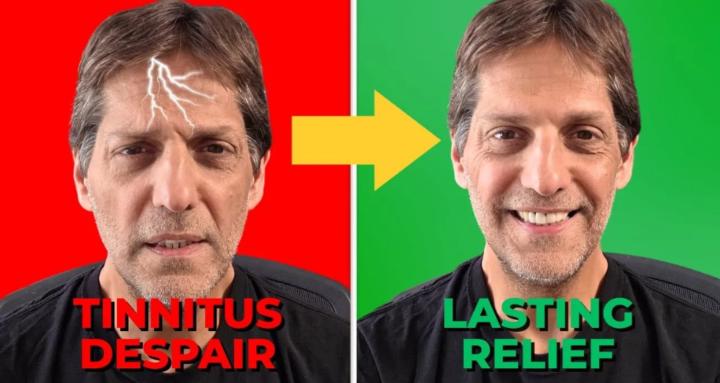
The long-term goal is lasting relief and habituation, where tinnitus becomes less emotionally important, less intrusive, and eventually stops feeling like something that controls your life.
But while you are working toward that goal, you still need to function today.
You still have meetings to lead.
Decisions to make. 📊
Clients to support.
Projects to move forward.
People depending on you.
That is why these daily tools matter.
They help you keep working, leading, communicating, and showing up while your brain is learning, over time, that tinnitus does not deserve the same level of attention, fear, or urgency.
That is how short-term function and long-term habituation work together.
Not random tips.
Not panic searching.
Not waiting for perfect silence before you live your life.
A real plan. 🎯
9
7 comments
Tinnitus is hurting your work performance? Start here.
skool.com/tinnitus
Practical tinnitus relief & habituation solutions for people whose life demands peace, focus, clear communication and quality sleep.
Leaderboard (30-day)
1

+106
2

+42
3

+37
4

+31
5

+26
Powered by