

13d •
An absorbing activity for you and your child
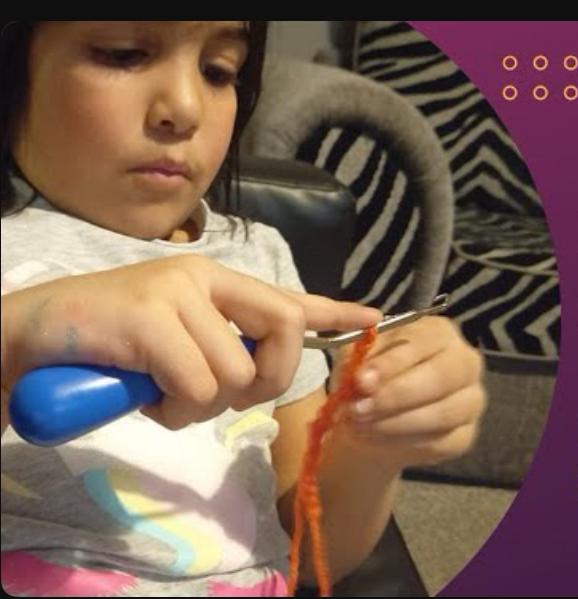
Hello, I have taught latch hook crochet to adults, to children in school and at the moment to my local Saturday class. I would love to reach more children online. Beginners can learn new fun projects using a latch hook instead of a traditional hook. I teach new easy methods which are not usually learned in traditional crochet. We begin with easy bracelets, flowers and headbands, things children can wear. First projects include baskets, bags, pots, bugs and easy bags. Please comment if you would like to know more about Crochet Art and Cordcrochet.

🔥
27d •
scavenger hunt
it you were on a walk in nature with your child, what is something you might put on their scavenger list? it could be in the forest, by a beach, at the park.... etc. gifs or words --either works Let's get some ideas flowing

Mar 27 •
Easter Activity Idea (that actually works with kids 🐣🍫)
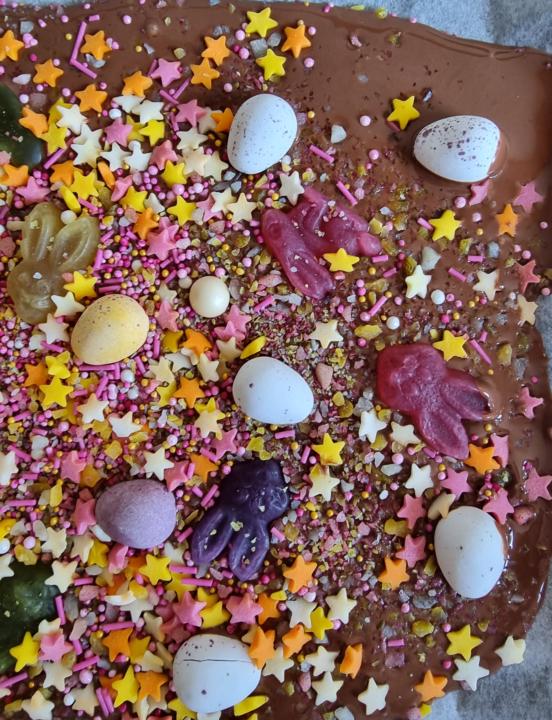
One of my favourite things to do with the kids at Easter is making chocolate slabs. It’s really simple, low effort, and they can take the lead without it turning into chaos. All we do is: – Melt chocolate – Spread it onto baking paper – Add whatever toppings they want (this is their favourite part) – Pop it in the fridge to set That’s it. Sprinkles, mini eggs, sweets, crushed biscuits… whatever you’ve got. There’s no “right way” which is what makes it work so well. What I love about this is: – It’s sensory without being overwhelming – It gives them control and choice – It keeps them engaged start to finish – And you end up with something you can actually eat after It’s one of those activities that feels calm, not forced. If you try it, show me what your little ones make — I love seeing the creations 🐣✨
Mar 28 •
🐥Easter Sticking (for little hands)
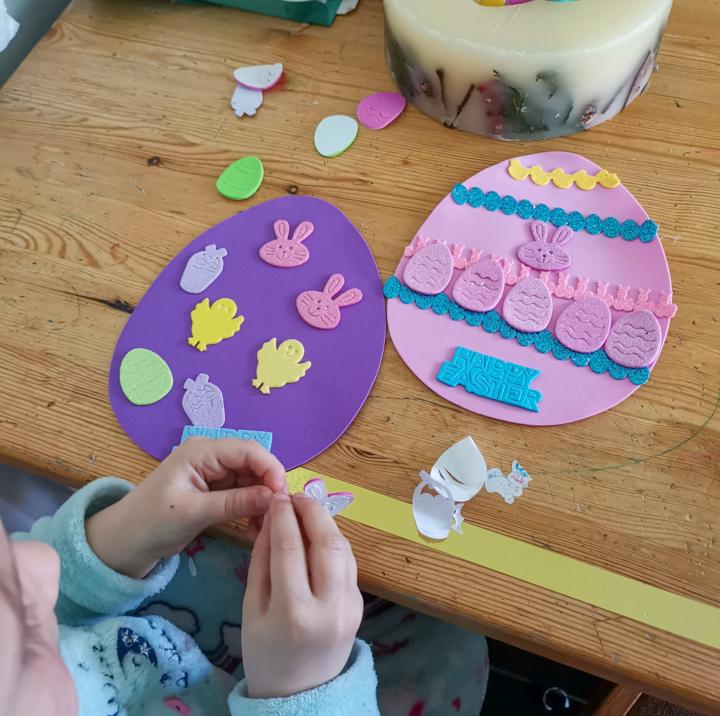
Sometimes the best activities are the simplest. When mine were younger, this was a go-to: big shapes, bright colours, and complete freedom to stick however they liked. No rules..No “right way”. Just creating. 🐣 What you need: Large paper or card (we used egg shapes or just plain sheets) Foam stickers / cut-outs (eggs, chicks, bunnies) Washi tape or strips of coloured paper Glue (or self-adhesive bits if you want it mess-free) 🌱 Why this works so well: Builds fine motor skills without pressure Supports focus and calm (great for slower moments) Gives a sense of control and choice No expectation = no overwhelm. You’ll notice some children place things carefully… others go full “stick everything everywhere” mode 😅 Both are perfect. 🌿 Make it even easier: If your child struggles with starting, you can: Stick one piece down first to get them going Offer “Do you want bunny or chick first?” Sit alongside and do your own (no pressure on them)
Mar 28 •
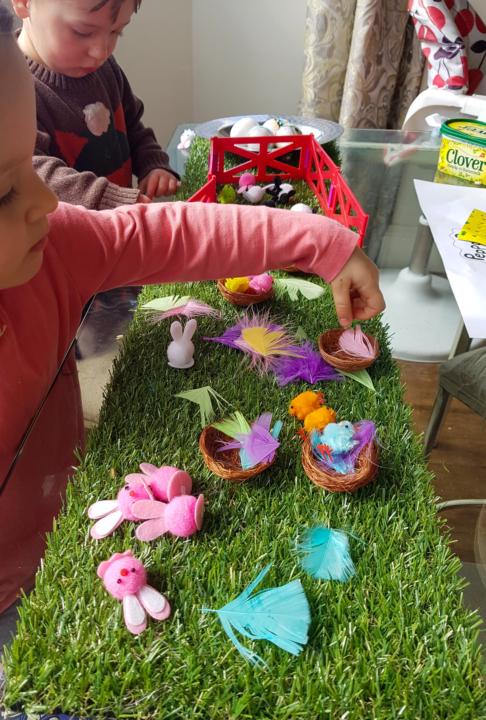
🐣 Easter Small World Play (that actually lasted)
I set this up every year. The first time I set it up i thought it might get a day or two of interest.... It stayed on the table for two weeks. They came and went, dipped in and out — and every time they came back to it, something new happened. Sometimes it was sorting chicks into nests Sometimes hiding eggs Sometimes full-on little stories with the bunnies And that’s why I love setups like this 👇 • No pressure to “finish” anything • No right or wrong way to play • It meets them wherever they’re at Some days it was calm and focused Some days it was messy and busy But it kept pulling them back in And underneath all of that… they’re regulating without even realising it Hands busy Brain engaged Body settling Simple setup: Fake grass + nests + chicks/bunnies + eggs + feathers Leave it out. Let it evolve. That’s where the magic is 🌱
1-21 of 21
powered by
skool.com/the-grounded-roots-project-6088
For parents and educators who want to raise children with connection instead of control - expert guidance and real resources all in one place.
Suggested communities
Powered by