
Write something
Pinned

6h •
⏳ The “Fast First Draft” Habit: Why Speed Comes From Iteration, Not Perfection
Most teams do not lose time because they type slowly. We lose time because we wait too long to start. Perfection feels responsible, but it often expands cycle time, increases rework, and quietly drains our attention. The fastest teams are not the ones who magically produce perfect work, they are the ones who produce something usable early, then iterate with feedback. If we want to get real time back, we need a new standard. Not “polished on the first try,” but “clear enough to react to quickly.” AI makes this shift practical because it compresses time-to-first-draft from hours to minutes. That changes everything about how work moves. ------------- The Time Leak We Rarely Name ------------- A lot of our workload is not truly “doing the work.” It is circling the work. We outline in our heads, we hesitate, we open five tabs, we reread the same paragraph, we tinker with the first sentence. We call it preparation, but often it is fear in a productivity costume. The result is that the real output starts late, and once it starts late, it has to be rushed. Here is what that looks like in everyday team life. Someone needs to write an important email, a proposal, a policy draft, a client update, a project brief, or a performance summary. Instead of creating a rough version quickly, they hold the whole thing in their head while trying to make it “right.” They delay sending it because they are still refining, and now the decision is delayed too. Handoff latency grows, meetings get scheduled to clarify what a draft could have clarified, and the whole workflow slows down. Then, because the draft arrives late, it does not get clean feedback. It gets reactive feedback. People skim it between calls. Stakeholders ask for changes without a shared baseline. The author patches the document, resends it, and we repeat the cycle. That is the hidden cost of perfectionism, not the quality standard, but the expanded time it takes to reach quality. When we build a “fast first draft” habit, we change the physics of collaboration. We create something visible early, we reduce ambiguity, and we allow the team to converge faster. That is the real time win.

Pinned

3d •
Quick Check In
It’s almost March. Be honest. Are you still going after the goals you set in January…or have you quietly adjusted them to feel more comfortable? This is the part of the year nobody talks about. The hype is gone. The excitement faded. Now it’s just discipline. At some point it stops being about motivation. It becomes about keeping your word to yourself. So I’ll ask you straight: Are you growing into who you said you wanted to become this year? 👇 Where are you at right now...crushing it, coasting, or recalibrating?
Pinned
6d •
The Best Free AI Got a MASSIVE Upgrade & More AI News You Can Use
This week, I break down some huge updates to Claude that, combined with the introduction of ads in ChatGPT, make Claude the best AI if you're on a free plan. Plus, I cover the barrage of OpenAI news and releases, discusses the evolution of the "OpenClaw" movement, and more. Enjoy!

6h •
Using AI's as a Team
Has anyone gone through a course about how to leverage AI to work with one another? Ive subscribed to both Gemini and ChatGPT just so they review one another. It is funny because Gemini is always so positive on ChatGPT where ChatGPT is the grumpy old man who goes against comments made by Gemini even when they are compliments about Chatgpt.

5h •
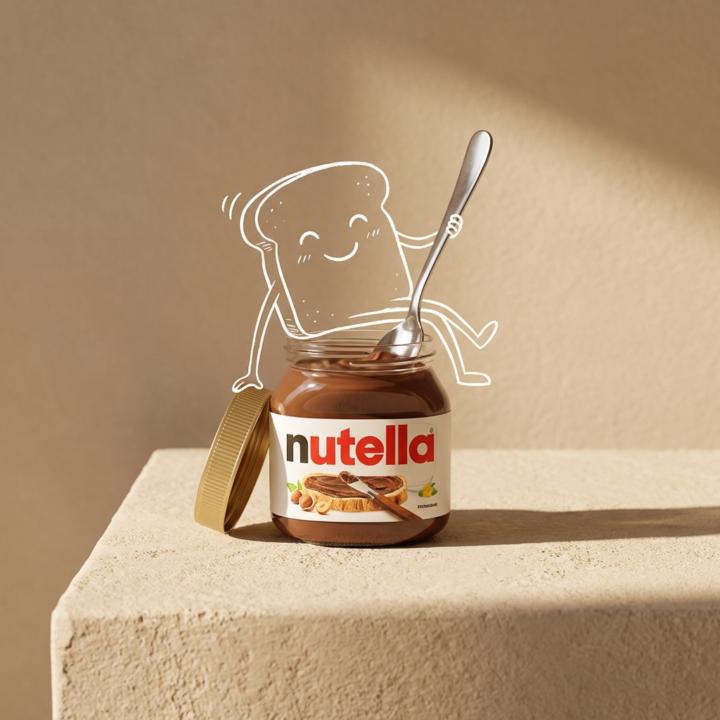
Turn Products Into Playful Brand Visuals 🎨
Here’s a simple prompt style that blends real product shots with hand-drawn doodle characters to create scroll-stopping visuals. Works great for: • Social content • Ad creatives • Client mockups • Portfolio pieces Same setup can be reused across different products — just swap the brand and character idea. Sharing the template + examples so you can test your own variations 👇 [product setup], minimalist product photo, clean warm studio scene, textured beige wall background, soft directional sunlight creating long shadows, simple tabletop surface, product arranged in a playful concept composition, hand drawn white line doodle overlay of [character] interacting with the product, mixed media look combining real photography and sketch illustration, high end branding feel, shallow depth of field, ultra realistic, no extra text, no watermark, 8k, 1:1
1-30 of 11,621

skool.com/the-ai-advantage
Founded by Tony Robbins, Dean Graziosi & Igor Pogany - AI Advantage is your go-to hub to simplify AI and confidently unlock real & repeatable results
Leaderboard (30-day)
1

+196
2
+146
3

+139
4

🔥
+128
5

+110
Powered by