
Write something

Feb 28 •
FREE Trial version
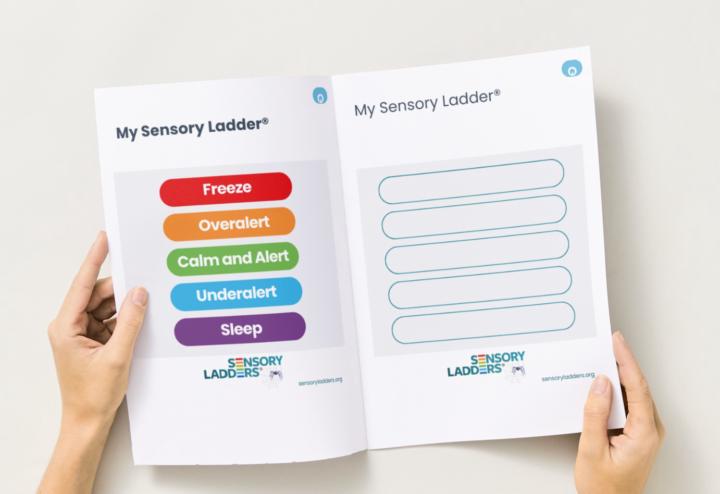
Try out this FREE trial version today...Print out and download to create your own trial Sensory Ladder®️ with these blanks...either with words, or use the picture spaces...and tell us what you think! We are adding them to the shop this week, as a download. What else do you need? More levels? More colours? And.... a sneaky peek inside the Sensory Ladder®️ Colouring In Book...
Feb 16 •
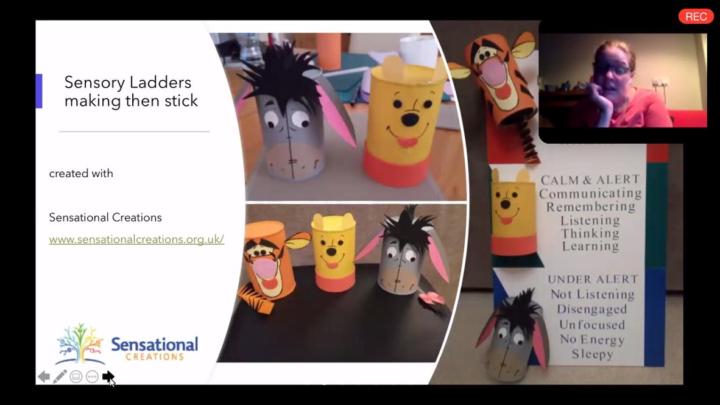
Please join in and upload your Sensory Ladder examples here
When you upload a Sensory Ladder example, you are doing something quietly powerful. You are showing what co-production looks like in real life, not in theory, but in the everyday moments where participation either opens up or closes down. Sharing matters because it helps us learn together. We start to notice patterns across settings. We gather ideas that are adaptable rather than prescriptive, so each person can shape what fits their own sensory world. Sharing matters because it builds a community of practice.A place where people can borrow courage, borrow words, and borrow a starting point, then co-create something uniquely theirs. If you have one to share, please upload it. A photo, a sketch, a template, a story. It does not need to be perfect. It just needs to be real.
Apr 13 •
Any comments on how to improve this...thoughts?
What Sets Sensory Ladders® Apart from Other Self-Regulation Approaches There is growing interest in tools and approaches that help children, young people and adults understand their feelings, manage distress, and find ways to move through difficult moments. That is a positive shift. It reflects a wider recognition that regulation matters, that lived experience matters, and that support needs to be more thoughtful, more relational, and more respectful. At the same time, not all self-regulation approaches are built in the same way. Some tools are designed around broad categories or stages. They may group experience into colour zones, emotional levels, or expected states, then suggest a matching strategy. These approaches can offer helpful structure, especially when someone is first beginning to notice patterns in their day. They can give adults and teams a shared language. They can also support consistency across home, school, and care settings. But many of these approaches remain adult-defined. They often begin with an external framework and ask the person to fit themselves into it. Sensory Ladders® were developed differently. Sensory Ladders® are not simply a regulation chart, a behaviour support tool, or a list of calming activities. They are a co-produced, person-led way of exploring how sensory experience, arousal, emotion, action, meaning, and participation connect in daily life. They begin not with a category, but with the person. That distinction matters. Starting with the person, not the framework What sets Sensory Ladders® apart most clearly is that they do not ask, “Which box are you in?” They ask, “What is this like for you?” That change in starting point opens up a very different kind of conversation. Rather than reducing experience to fixed labels such as calm, over alert, or dysregulated, Sensory Ladders® make space for the person to describe their own internal world in their own way. For one person, early signs of overload may feel like buzzing skin, muddled thoughts, or needing to move. For another, it may feel like going quiet, losing words, or suddenly needing to leave. For someone else, it may not feel distressing at first at all. It may feel exciting, fast, funny, intense, or confusing.
Mar 5 •
Shared with me…
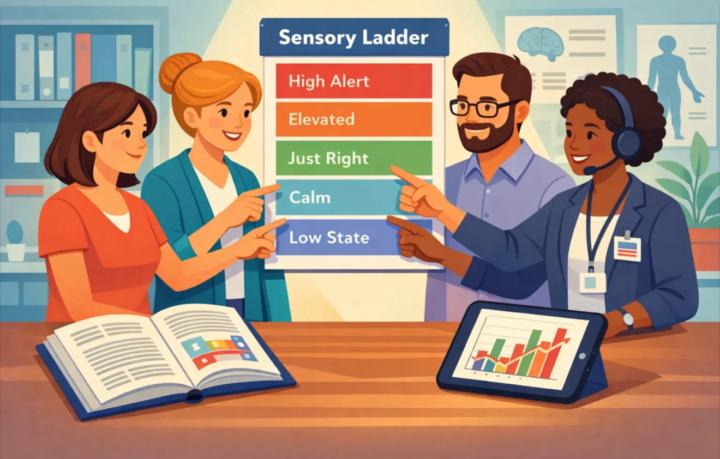
Thought I’d share in case it’s useful picture for in therapy sessions to share about how the conversation around Sensory Ladders matters.
10
0
1-4 of 4
skool.com/sensory-project
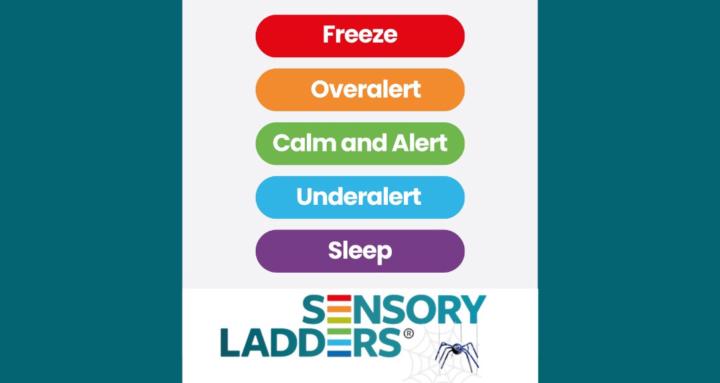
All about Sensory Ladders, Spiders, Trackers and Grids. Tools for home, work and school - making meeting sensory needs everyone’s business.
Powered by