
Write something

18d •
How to Self-Inject Your Medication at Home 💉
We made a quick video to walk you through giving yourself an injection with an insulin syringe. If you're new to self-injecting, this takes the guesswork out of it. Here's what you'll do: Grab your supplies first: your medication vial, an insulin syringe, an alcohol swab, and your sharps container. Take the foil cap off the vial, but leave the rubber stopper in place. Pull air into the syringe, inject that air into the vial, then draw up your correct dose. Clean the injection site with an alcohol swab, insert the needle straight in at a 90 degree angle, and inject slowly. When you're done, drop the needle and syringe straight into your sharps container. Never reuse a needle. Always follow the dosing instructions we've given you specifically. If anything feels off or you have questions, reach out. We're here for you.
2
0

Jun 8 •
Protein: the one thing most people aren't getting enough of
If I had to pick one thing that moves the needle on energy, muscle, metabolism, and aging well, it's protein. Most people I see are running short and don't realize it until we add it up. Protein keeps your muscle on as you age, keeps you full so you're not grazing all day, and gives your body what it needs to repair and rebuild. It matters even more if you're working on body composition, recovering from something, or on a weight loss protocol where holding onto lean mass is the whole game. The hard part isn't knowing you need it, it's knowing what to eat. So I put together a guide. Animal, fish, plant-based for the vegetarians and vegans, and the convenience stuff for busy days, with protein amounts and quick notes on each. Grab it below, pick a few you'll actually eat, and start paying attention this week. Trivia time 🧠 Leucine is the amino acid that flips the switch on muscle growth. It's the trigger your body needs to actually build and repair muscle, and it comes mainly from animal proteins like meat, eggs, and dairy. But here's the catch: you need a certain amount of leucine at each meal to hit that switch. Miss the threshold and your body doesn't get the full signal, no matter how much total protein is on the plate. So take a guess: how much leucine do you need per meal to maximize muscle synthesis? - About 1 gram - About 2.5 grams - About 5 grams For your reference, the answer is roughly 2.5 to 3 grams of leucine per meal (the "leucine threshold"), which is about 25 to 30 grams of high-quality protein. The aging note is real and worth the follow-up: older adults develop "anabolic resistance" and need more leucine per meal to get the same muscle-building signal, which is exactly why protein targets matter more, not less, as patients age.
Poll
Cast your vote
Jun 10 •
Your Weight Loss Tracker
Are you on a weight loss journey? Print this to help you journal through your first month!
1
0
Jun 6 •
What being a patient at VitaLife Looks like
Hi friends! 🌲 I’ve gotten so many thoughtful questions lately about what it actually looks like to be a member at VitaLife — so I put together something I think you’ll love. I’m attaching our New Patient Onboarding Packet right here in the community. It’s the same guide our patients receive, and it walks through pretty much everything: how our memberships work, how we handle medications and refills, what telehealth visits look like, nutrition and hormone education, our meal trackers, and more. A couple of notes so it’s helpful in the right way: 💛 If you’re already a patient — consider this your reference guide. Keep it handy! 💛 If you’re here to learn and you’re an Arizona resident who’s been curious about direct primary care — this packet answers a lot of the “what would membership even look like?” questions. Take a peek and see if our style of care feels like a fit for you. 💛 If you’re just here for the free education and community — you are also welcome, exactly as you are. No pressure at all. The packet has some genuinely useful nutrition and hormone info you might enjoy regardless. As always, this community is a place to learn and connect — please keep anything personal or medical to a private message or your patient portal rather than posting it here. Questions about membership? Drop them in the comments (general questions only, please!) or reach out to the clinic directly. So glad you’re here. 🙏 — Courtney
4
0
Jun 6 •
We're back! Here's what we've been up to 👋
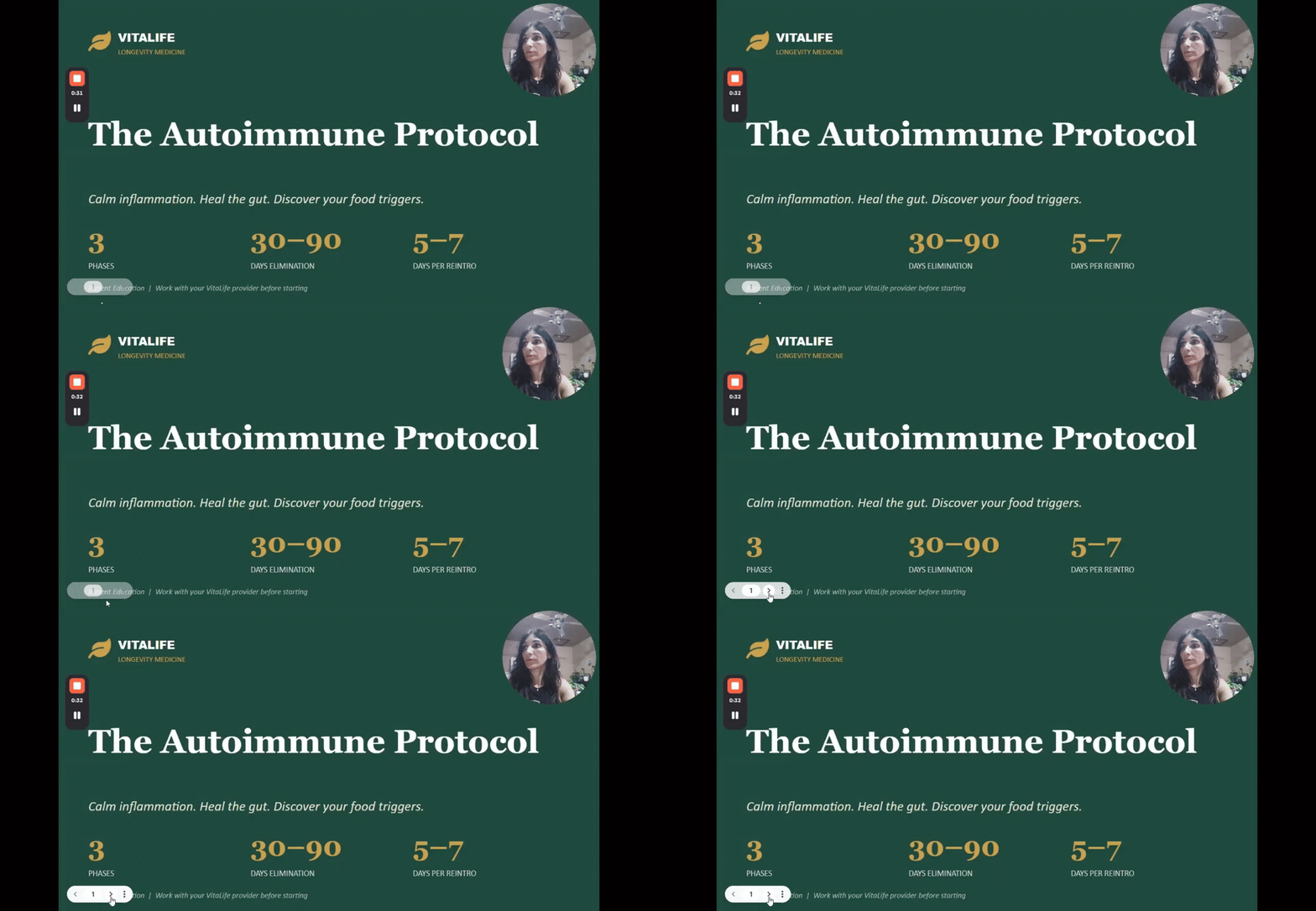
Hey everyone! You may have noticed we've been a little MIA the last few weeks. Good news, it's because we've been busy behind the scenes making some major changes. We've been recreating our courses from the ground up so they speak directly to you, our community. They're easier to follow, more user friendly, and packed with significantly more value. First up: our Autoimmune Diet Guide. Think of this one as a great factory reset. Allergies are in full force right now and autoimmune systems are kicking into high gear. This guide is a great way to reset your immune system, clean up your diet, and give your body the best start possible. What's coming to the classroom: You're going to see new courses added regularly. Some you'll unlock by earning points, and points are accumulated by being active here in the community. Post, comment, support each other's efforts, and you'll level up. A quick word on community rules: We're building a friendly, supportive atmosphere here. If you post or comment, keep it positive and caring at all times. Anyone who can't do that will be removed from the community. Simple as that. Group calls are coming! I'll be leading group calls as a benefit to you all. We'll talk hormones, health, peptides, and more. One important reminder: This is not a HIPAA compliant community. If you choose to share your own personal health information here, know that it's going into a non-HIPAA compliant system. We're here as a community to discuss and learn together, so share at your own comfort level. Stay tuned for community collaboration dates and more patient-centered courses dropping soon. Providers: If you're a provider, please message me directly and I'll get you over to the provider group.
4
0
1-30 of 68
powered by
skool.com/root-cause-rx-with-pa-courtney-4824
Learn the root causes of fatigue, hormones, & weight issues. Start here, feel better, and learn more when you're ready! For Community Education
Suggested communities
Powered by