Sep 16 (edited) • General discussion
Common Myths Dispelled
Let’s bust some of the most common myths about becoming a police officer. Which one surprises you the most?
“You have to speak both English and French.”
• Being multilingual can certainly be useful in Ottawa, but candidates shouldn't automatically assume that not being perfectly bilingual means policing is closed to them. The operational language is English. Our newest recruits speak numerous languages, including French, Arabic, Bangla, Hindi and Urdu. Speaking French is not a requirement!
“I need a Police Foundations or Criminology degree.”
• Police related schooling is not the only route. Our recruits come from a wide variety of educational backgrounds, including business, nursing, sciences, psychology and engineering.
“I need previous law enforcement or military experience.”
• A policing background isn’t the only experience that can prepare someone. Customer service, leadership, volunteering, trades, healthcare, business and other careers can develop transferable skills. We encourage applicants from different backgrounds and walks of life.
“Police work is basically just arrests and responding to crime.”
• Modern policing involves community engagement, communication, de-escalation, investigations, mental-health-related calls, traffic/public safety, deterring crime and working with many partner agencies.
“Everyone who becomes an officer has wanted to be a police officer since childhood.”
• There’s no single path into policing. Some police officers knew from a young age that policing is what they wanted to do, while others discovered it later after building experience in completely different careers.
People can bring valuable skills from business, healthcare, trades, education, customer service, the military, public service, and many other fields. A career change doesn’t mean starting from zero, your previous experience may bring maturity, communication skills, leadership, problem solving, and a different perspective to policing.
“You need to be huge, extremely muscular, or look intimidating.”
• Policing relies on much more than physical presence. Communication, judgment, professionalism, teamwork and de-escalation are central aspects of police work. Our training for public safety roles specifically incorporates ethics, professionalism, de-escalation and community engagement.
“There’s only one kind of policing career once you’re hired.”
• Policing roles include frontline, investigative, forensic, community-focused and specialized functions, so a policing career can develop in different directions over time.
“You have to know how to swim to become an Ottawa Police officer.”
• Don’t let your swimming ability stop you from considering a career in policing. Swimming is not a prerequisite. Applicants should focus on meeting the actual hiring and physical requirements rather than assuming they need to arrive with every possible skill already mastered.
“You have to come from a perfect background.”
• Don’t automatically disqualify yourself, be open and honest throughout the process.
“I’m too quiet or introverted to be a police officer.”
• You don’t have to be the loudest person in the room. Listening, communicating calmly, building rapport, judgment and de-escalation can all matter.
“I need to be fearless.”
• Police Officers aren’t expected to never experience fear or stress. Training, judgment, communication and the ability to function appropriately under pressure are much more meaningful approaches.
“If I wear glasses or contacts, I can’t become a police officer.”
• Ontario’s current constable selection guidance says applicants generally need at least 20/40 vision without corrective lenses and 20/20 with corrective lenses. OACP also notes that some applicants who do not initially meet the standard pursue laser eye surgery, subject to the applicable medical requirements.
“I have tattoos, so I can’t become a police officer.”
• Having tattoos does not automatically prevent someone from becoming a police officer. What matters is whether the tattoos comply with our professional standards and policies. Content, placement, and whether a tattoo is offensive, discriminatory, gang related, extremist, or otherwise inconsistent with professional conduct can matter.
“I’ve never fired or handled a gun, so I can’t become a police officer.”
• Previous firearms experience is not an requirement. Ontario’s Basic Constable Training includes firearms, use of force, officer safety and de-escalation training, and the Ontario Police College provides that training to hired police officers.
“I need hundreds of volunteer hours before OPS will consider me.”
• Community involvement can certainly help demonstrate relevant qualities. Your work, school and life experiences can demonstrate valuable skills too.
“I wear hearing aids, so I automatically can’t become a police officer.”
• Hearing aid use by itself should not be described as an automatic disqualifier. Candidates must still meet the applicable hearing standard.
“I have to be from Ottawa or already live in Ottawa to apply to OPS.”
• You don’t have to be born and raised in Ottawa to consider serving Ottawa.
Let us know if we can address any others!
32
15 comments
Common Myths Dispelled
skool.com/ops-becomeapoliceofficer
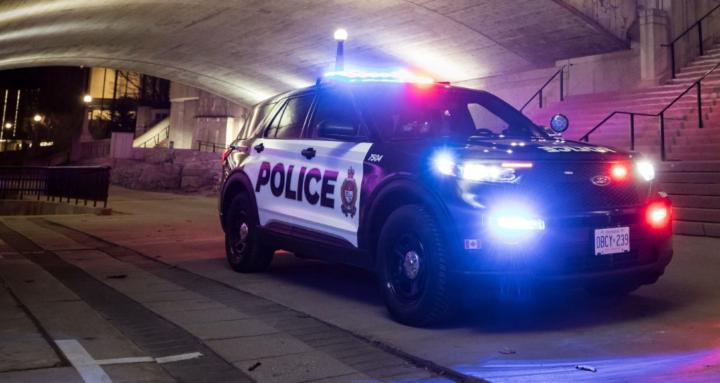
Ready to become a police officer? Get insider guidance, mentorship, interview & fitness prep. Apply to the Ottawa police Service today!
Leaderboard (30-day)
1

+16
2

+3
3
+3
4

+3
5

+2
Powered by