
Write something

🔥
10h •
Read What Each Compost Material Brings to the Mix
Last week we looked at whether our compost system has the conditions it needs to work: suitable materials, moisture, structure, airflow, space, and realistic management. Now we can look more closely at the materials themselves. We often learn to divide compost materials into greens and browns. That shorthand can be useful, but it can also hide important differences. Two materials called “browns” may behave very differently in a pile, and something that looks brown is not automatically a carbon-rich structural material. Instead, begin asking what each material actually brings to the compost environment. Food scraps and fresh green plant material usually bring considerable moisture and readily available nutrients, including nitrogen. They often decompose quickly but provide relatively little lasting structure. Fresh grass clippings can break down rapidly and bring both moisture and nitrogen, but large amounts can settle together and reduce air movement. Dry leaves contribute carbon, absorb some moisture, and provide some structure. Their particle size and condition influence how quickly they break down. Straw and mature plant stalks contribute carbon while also helping create physical spaces through which air can move. Wood chips and small woody pieces provide coarse structure and carbon but generally decompose much more slowly than soft green material. Fine materials such as sawdust or shredded paper can contribute considerable carbon and absorb moisture, but fine particles can also pack closely when wet limiting oxygen. Particle size changes the picture too. Breaking material into smaller pieces exposes more surface area to decomposers and generally speeds breakdown. Larger, tougher pieces usually remain longer and may help preserve structure and air spaces. This is why compost materials are more than ingredients; each one changes several conditions at the same time. A bucket of kitchen scraps does not simply add “green.” It adds water, easily decomposed material, nutrients, and fine soft particles. A handful of coarse dry stalks does not simply add “brown.” It adds carbon, larger particles, and physical structure.
Poll
Cast your vote
2
0

3d •
Real wet rain
Finally it's raining, and I should have made a priority list of what to do , there's so many things I've been waiting to do.
6d •
Tomatoes
This year the tomatoes seem to be very fleshy with a high pulp to seed ratio, as always super tasty, straight from the vine, they make a great lunch time wrap. It's also the best year ever for aubergines, these came from a 39 cents packet of generic unnamed seed I found in a discount shop .

🔥
10d •
When Two Plants Share the Same Space
When two plants grow beside each other, their relationship depends largely on how much their needs overlap. Plants compete for light, water, nutrients, rooting space, and sometimes physical support. A tall plant may shade a shorter neighbor. Roots may draw from the same part of the soil or occupy different depths. A vine may use another plant for support, but eventually become dense enough to shade it. Timing is important too. A fast-growing annual may use resources early and disappear before a perennial reaches its strongest growth. Weather can also change the relationship. Plants that share space well during a wet spring may compete much more strongly during a dry summer. Plant compatibility is not simply a fixed list of good and bad companions. It develops from how plants use resources across space and time. When looking at neighboring plants, consider: - Light and canopy overlap. - Water use. - Rooting space. - Nutrient demand. - Physical support. - Seasonal timing This week, choose two plants growing beside each other and ask: Where are their needs overlapping, and where are they using the space differently? Which type of competition is easiest for you to notice?
Poll
5 members have voted
11d •
Garden time
It would be interesting to know how many hours members spend in their garden each week, either working or just relaxing. There's something about being outside makes us happy .
Poll
4 members have voted

1-30 of 267
powered by
skool.com/oasis-builders-8012
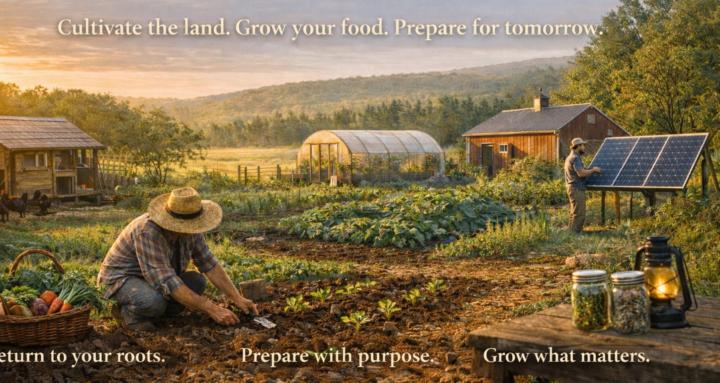
Oasis Builders helps families grow healthy food, use herbs wisely, understand living systems, and build calm confidence for everyday resilience.
Suggested communities
Powered by