
Write something
Pinned

Nov '24 •
Our Toughest Deal Refinances to Agency - 3 years in the making
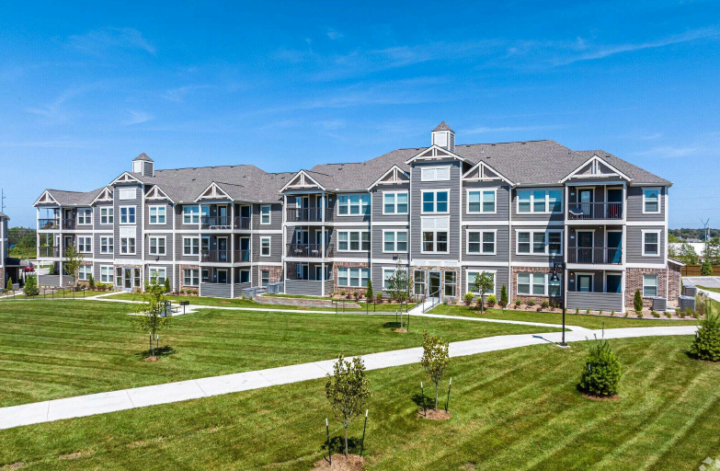
This was the most difficult project in our career, and I’m proud of this story of perseverance and ultimately preservation of capital. In a time where there is much negativity towards Syndications and multifamily, this story hopefully gives hope to the operators out there doing the right thing, giving every bit of smarts and execution to protect capital. This story is a save. I don’t know many other operators that would have been able to pull off what we did and the challenges we faced, how we survived and thrived. Our strength as GP guarantors at Sharpline, our track-record, our relationships with Freddie and Fannie were the key. It’s a testament to Sharpline and the commitment of our team as well as the patience and belief from our investors. I want this post to be a reality check and not considered bragadocious but give homage to the people in Sharpline and the many partners (lenders, vendors, consultants, investors) that helped get this insurmountable project to where it is today. Here we go. 3 years ago we bought this as a heavy value-add post covid. We couldn’t get new roofs that were leaking for 7 months, so this inhibited our reposition to improve the property, which kept some of the bad elements at the community there longer than we wanted. Fire property management company 1 , Fire property management company 2 (proverbial jump out frying pan into the fire, scary). Decided to self-manage project. This was in an early stage of our self-management journey about 2 years ago (we now self-manage 1500+ units). We purchase one half of the project with cash and the other with a bridge loan with floating rate debt (our only floating rate Sharpline has ever done, we didn’t buy a rate cap either, not smart) 4% bridge loan. We begin to execute capex plan successfully (we ripped the mansards off #MansardSlayer). The process of reposition took longer than we liked because of construction delays and bad PM companies, but we ultimately had the safety net of the 24 unit townhouse project that was getting higher occupancy that we purchased with cash as part of the syndication. So we refi’d the 24 unit with a local bank and GPs personally guaranteed the loan as we continued to do projects. This allowed us to free up liquid capital to continue executing to get higher occupancy, but we were still not there yet. We were at 65% overall occupancy on 128 units and the community was improving.

Pinned
Sep '24 •
How NOT to Sound Like an Idiot - Series
Go to Classroom area to check it out. I will be adding more an more episodes in the series. https://www.skool.com/multifamily/classroom/1987cf64
6d •
Multifamily Supply Overhang Begins to Ease
📊 Multifamily Update: The Supply Wave Is Finally Starting to Ease One of the biggest questions investors have been asking the past 18–24 months is: When does the supply pressure let up? We’re now starting to see the first real signs of that shift. According to new CoStar data, the national multifamily market is actively working through the historic wave of deliveries from 2022–2025. While vacancies remain elevated in newly delivered properties, the overhang itself is shrinking as absorption improves and new deliveries slow MultifamilyUnits. Key national takeaways: - Roughly 353,000 recently delivered units still need to lease up to reach equilibrium, but that number is declining MultifamilyUnits. - The drawdown of excess vacant inventory accelerated in Q4, with over 100,000 units absorbed year-to-date MultifamilyUnits. - Demand for higher-quality, stabilized assets remains strong, with properties built 2017–2021 operating below the national vacancy average MultifamilyUnits. - The challenge today is volume timing, not renter demand. In short: the market is digesting supply, not breaking under it. 📍 Kansas City Focus: A Faster Reset Than Most Markets Kansas City is actually ahead of many metros in this cycle. CoStar data shows that KC’s apartment construction pipeline has shrunk to its lowest level in nearly a decade, driven by higher borrowing costs, tighter equity requirements, and slower rent growth KCMultifamily. Kansas City highlights: - Only ~5,300 units currently under construction, representing just 2.9% of total inventory, the lowest level since 2018 KCMultifamily. - This is down sharply from the 2021 peak, when nearly 9,000 units were underway KCMultifamily. - 2026 deliveries are projected at ~2,900 units, the lowest annual total since 2019, aligning new supply much more closely with demand KCMultifamily. - Several submarkets, including parts of Cass County, now have zero units under construction. What this means: - KC is likely to see supply pressure ease sooner than many Sun Belt markets - Stabilized assets should benefit first - Rent growth doesn’t need to surge for fundamentals to improve — simply less competition helps
2
0
11d •
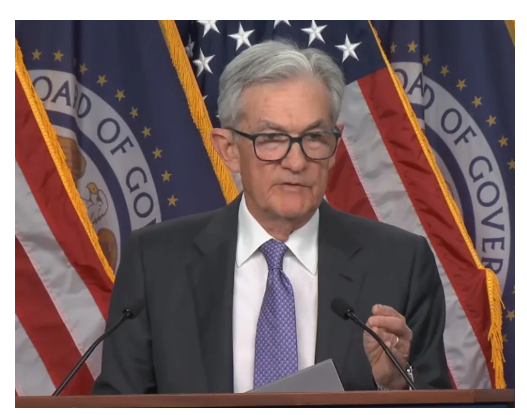
Fed lowers rates by .25 (25 bps / 25 bips)
https://www.commercialsearch.com/news/fed-cuts-rates-yet-again/ Check out BIPs on my How to NOT Sound like and Idiot series https://www.skool.com/multifamily/classroom/1987cf64?md=04cd7fdbf7054597865bc6203a0c61a2
0
0
16d •
🚨 Multifamily Market Update — December 2025
📉 Rents & Vacancy - National rents continue to soften — 4th straight month of declines, now averaging $1,740. - Vacancy rates are hitting record highs across many metros due to heavy new supply. - Early 2025 showed a brief rent uptick, but momentum faded quickly. Sources: - Rent declines & vacancy spike:https://www.credaily.com/briefs/multifamily-rents-slide-as-demand-lags-supply-in-key-us-markets/?utm_source=chatgpt.com - Rent growth snapshot:https://www.multihousingnews.com/rent-growth-20/?utm_source=chatgpt.com - Vacancy hitting record highs:https://www.credaily.com/briefs/rent-decline-deepens-as-vacancy-rates-hit-record-high/?utm_source=chatgpt.com 🏗 Development Trends - Construction starts are down ~74% from 2021 peaks, signaling a major slowdown. - Developers shifting toward middle-income and affordable housing as luxury oversupply weighs on absorption. - Colorado issues its first Middle-Income Housing Tax Credit (MIHTC) — a sign of national policy direction. Sources: - Development slowdown (CBRE 2025 Outlook):https://www.cbre.com/insights/books/us-real-estate-market-outlook-2025/multifamily?utm_source=chatgpt.com - Supply snapshot (Arbor):https://arbor.com/blog/u-s-multifamily-market-snapshot-november-2025/?utm_source=chatgpt.com - MIHTC announcement:https://yieldpro.com/2025/12/mihtc/?utm_source=chatgpt.com 🏢 Investor Behavior - Investors are cautiously coming back as values begin to stabilize. - Sales volume fell 28% YoY, showing many are still hesitant to transact. - Sellers continue to chase 2021-style peak pricing despite softer fundamentals. - Toll Brothers is exiting multifamily, selling its portfolio to Kennedy Wilson for $347M.
1
0
1-30 of 85

skool.com/multifamily
All things Multifamily, otherwise known as Apartment Buildings: investing, managing, owning, financing, raising capital, partnerships, legal, debt.
Leaderboard (30-day)
1

+7
2

+3
3

+2
4

+2
5

+2
Powered by