

2d •
Episode 21 recap: Three fixes for your call funnel
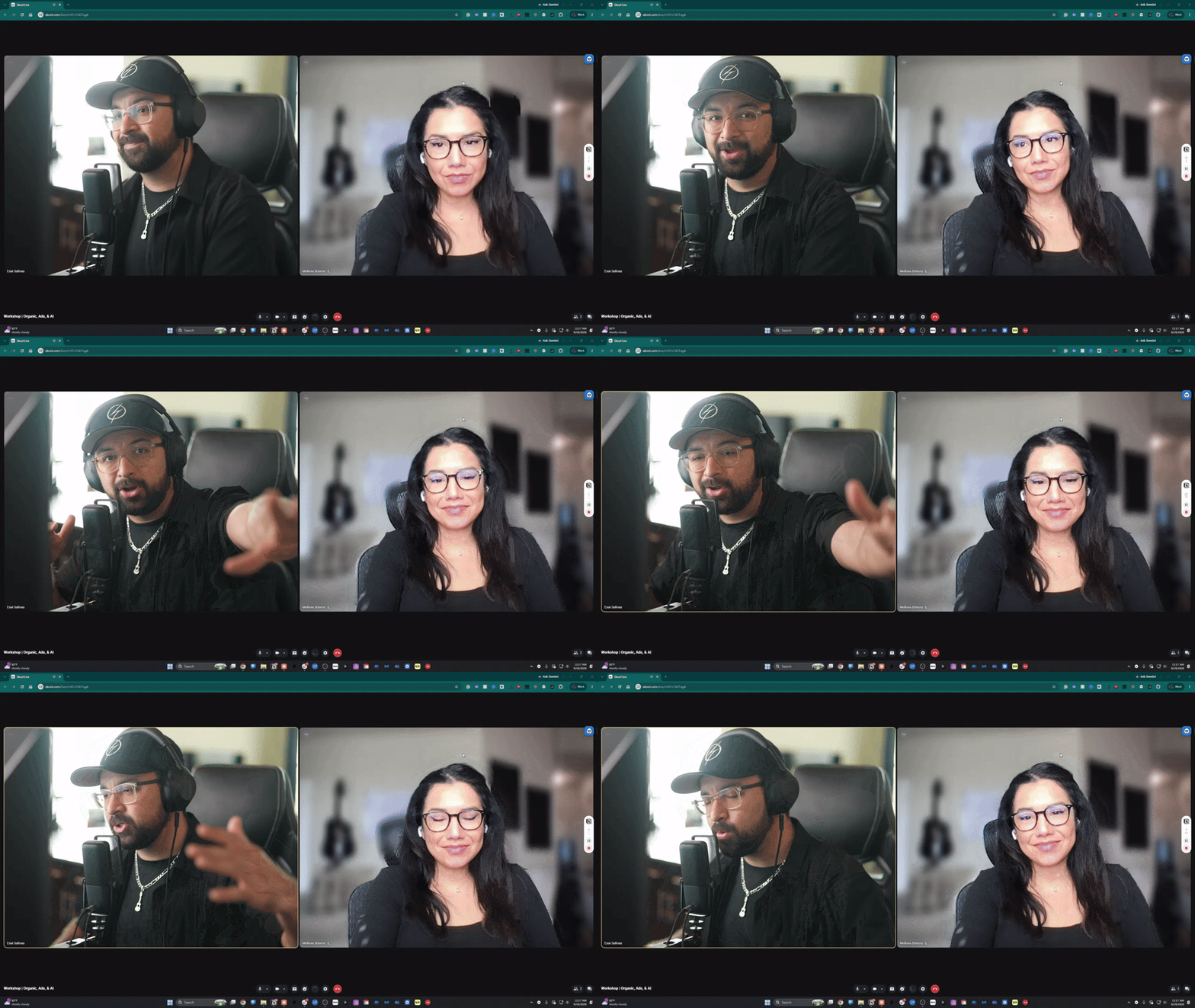
Tech fought us all morning. Skool would not record, the camera would not load, and the call dropped once. We ran it anyway. Melissa said it best: that is the job. You push through the bad moment instead of calling it off. Here is the whole thing in one post. 𝗪𝗵𝘆 𝗮 𝗰𝗮𝗹𝗹 𝗳𝘂𝗻𝗻𝗲𝗹 Most offers do not need a better ad. They need a conversation. Ten calls will tell you more than ten thousand views. You hear the objection in their exact words, and that becomes your next hook. On a call, you can fix the offer live: the price, the package, the guarantee. A checkout page just loses the sale in silence. This is not only for big offers. High ticket keeps the call forever. A small offer uses calls early to find out what people actually want, then puts that on the page. And the call is where the honest feedback lives. Melissa's reframe: "what if they tell me it sucks" becomes "what about it sucks?" That answer is data. 𝗢𝗿𝗴𝗮𝗻𝗶𝗰: 𝗵𝗼𝗼𝗸 𝗳𝗶𝗿𝘀𝘁, 𝗶𝗻𝘁𝗿𝗼 𝘀𝗲𝗰𝗼𝗻𝗱 "Hey, if you're new here, I'm..." They were never new here. They were gone before you finished the sentence. Opening with your name and title works on people who already know you. That makes it a retargeting video, not a cold one. 𝗧𝗵𝗲 𝗼𝗿𝗱𝗲𝗿 𝗳𝗼𝗿 𝘀𝘁𝗿𝗮𝗻𝗴𝗲𝗿𝘀: 1. The hook at 0 seconds 2. One line about who you are, around 4 seconds 3. The story 4. The point Example: "If you are posting every day and getting zero booked calls, this video is for you. If you're new here, I'm Esai and I run OneAway Studios." 𝗕𝗼𝗻𝘂𝘀: when you fix it for cold traffic, your warm traffic performs better too. 𝗣𝗮𝗶𝗱: the ads were running blind A lot of the accounts that come to us have a pixel on the website but not on the funnel page. So leads show up in the inbox, and Meta only sees clicks. Nothing after. Your ads can only find more of what they can see. If all Meta sees is clicks, it finds you more people who click and leave. Put tracking on the funnel page, the booking step, and the thank you page. Carlos added a good one: if your offer is strongly qualified, fire the lead event only on the qualified thank you page, so Meta learns from the right people.
2d •
We are live at 11am CST, Episode 2: High Ticket Call Funnels
Episode 21 goes live today at 11am Central, right here. (in about 15 minutes) 𝗧𝗵𝗶𝘀 𝗼𝗻𝗲 𝗶𝘀 𝗮𝗯𝗼𝘂𝘁 𝗰𝗮𝗹𝗹 𝗳𝘂𝗻𝗻𝗲𝗹𝘀. Big offer or small one, the fastest way to grow early is to talk to the people who almost bought, and the people who did. The bottom line is that most offers do not need a better ad. They need a conversation. You need to talk with people to see what they were actually hoping for. You will leave with three fixes you can make before next Tuesday. 𝗢𝗿𝗴𝗮𝗻𝗶𝗰. The line in your videos that makes strangers scroll away. Most founders say it in the first three seconds. 𝗣𝗮𝗶𝗱. A five-minute test that tells you if your ads can even see your bookings. Most clients we work with don't have this set up properly, or at all. 𝗔𝗜 𝘄𝗼𝗿𝗸𝗳𝗹𝗼𝘄. The one prompt Melissa runs after every sales call, and the upgrade that turns it into sales training. Come with two things open: your last video, and the link to your own funnel. We will use both. Camera off is fine. Just come listen. See you on the call!
1
0

9d •
Episode 20 Goes Live In A Few Minutes!
It has been an incredibly busy month working on client accounts, events, and more! Lots of new lessons to share as we get back into the swing of things here and rebalance the community. If you've been struggling with organic content, paid ads, and backend selling systems, that's what these weekly calls are intended to help you resolve. We take our findings from real weekly work and repackage them into lessons that you can apply to your own business. If you have questions then feel free to bring them to the call and share them in chat. 💬 See you on the call

9d •
Episode 20 recap: You changed five things. Which one worked?
If you missed today's call, here is the whole thing in one post. 𝗧𝗵𝗲 𝗽𝗿𝗼𝗯𝗹𝗲𝗺 Most owners fix everything at once. New headline. New VSL. New page copy. New posting plan. New sales call. All in the same week. Two weeks later the number moves. Everybody is happy. Then somebody asks the only question that matters: what did it? Nobody in the room can answer. Melissa said it better than I did. She went makeup shopping and the girl behind the counter had changed her primer, her base, how many layers she used, and her setting spray. All at once. Now she has no idea which one broke it. She is going to be mixing percentages forever. That is not testing. That is a Powerball ticket. 𝗧𝗵𝗲 𝗲𝗻𝗴𝗶𝗻𝗲: 𝗟𝗮𝗯 𝗮𝗻𝗱 𝗧𝗿𝘂𝗰𝗸 Organic is the lab. Paid is the truck. The lab is where you are allowed to be wrong. It costs you time, not money. You change one thing on purpose and you get an answer in days. (most times weeks, depending on volume of traffic) The truck costs you money every day. It amplifies a message. It never creates one. You leave it alone while it runs. Nothing rides the truck without an audition. Here is the correction I want to make: that line is not just a content rule. It is the whole testing system. You do not test on the truck. 𝗧𝗵𝗲 𝘁𝗵𝗿𝗲𝗲 𝗿𝘂𝗹𝗲𝘀 1. One variable. Change the hook or the page, not both. If two things moved, the result belongs to neither one. 2. One window. Same days, same budget, same days of the week. A holiday week against a normal week is not a test. It is a holiday week. 3. One floor. About 1,000 visitors or 50 conversions. Under that you are reading noise and calling it a finding. Then write the guess down before you start. If you cannot say in one sentence what you expect to happen and why, you are not testing. You are redecorating. This is the classic scientific method applied to your business. 𝗧𝗵𝗿𝗲𝗲 𝘁𝗶𝗺𝗲𝘀 𝘆𝗼𝘂 𝘀𝗵𝗼𝘂𝗹𝗱 𝗻𝗼𝘁 𝘁𝗲𝘀𝘁 1. You are below the floor. Forty visitors a day cannot separate two headlines. You cannot split test your way out of an empty room.
2
0

16d •
Episode 19 Replay: One Gap at a Time
Today’s call was a simple one, but an important one. Most business owners do not need more tactics. They need enough direction to act, and enough action to learn. We talked through how that shows up across: - Mindset: Action matters, but motion without direction creates more noise. - Organic: Your content is where the promise gets tested. - Paid: Ads do not rescue a weak message. They reveal it faster. - AI Workflow: AI is for reps. The promise is still yours. The main takeaway: Pick one gap this week. - Not the whole business. - Not the full funnel. - Not every post, ad, and page. Just ONE. Choose one post, one ad, OR one page and ask: 1. Who is this for? 2. What changes for them? 3. Why should they believe it? Then make the promise clearer and share your before and after in the comments below. One clear rep beats another week of planning. Let's do this. 🙌

1-30 of 81
Leaderboard (30-day)
1

+12
2

+9
3

+5
4

+4
5

+4
Powered by