
Write something

May 31 •
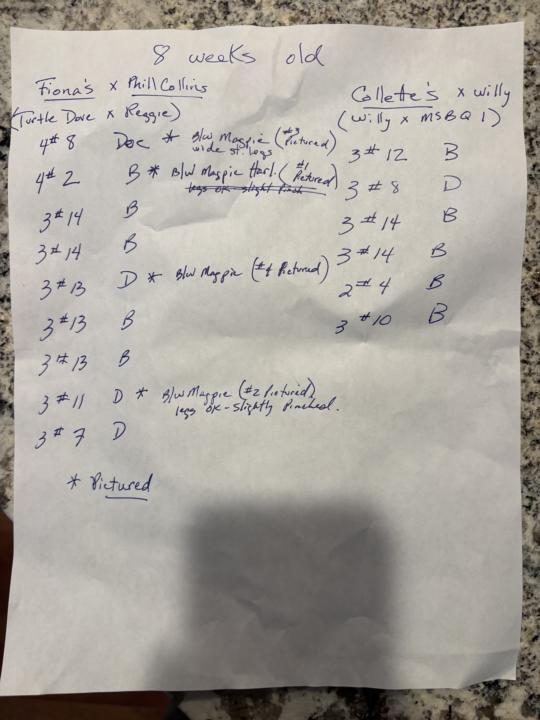
8 week weights
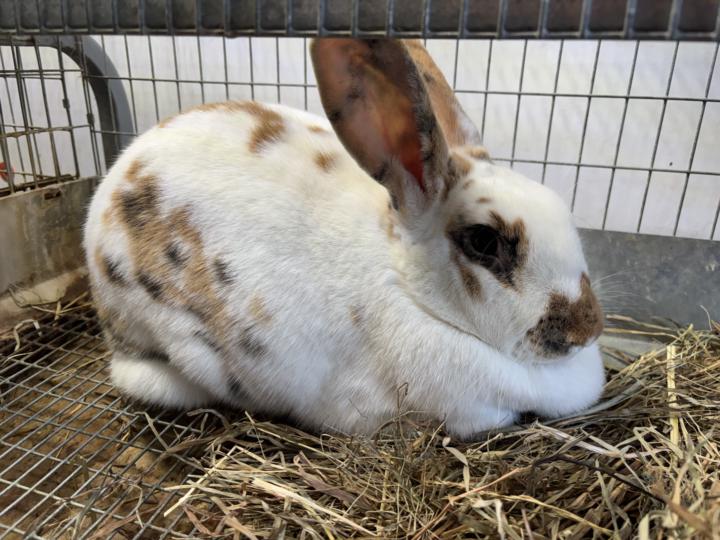
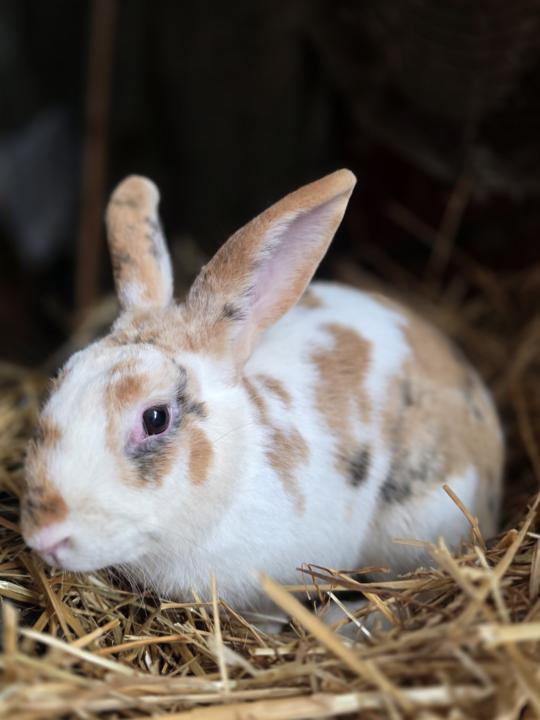
2 litters at 8 weeks. Weights are shown. Those with * by them are pictured. Last 3 photos are of the Harlequin magpie buck at 4 lb 2 oz. First 8 photos are possible keeper magpie does. The harlequin buck has very cute checkerboard on his back. Note Collette’s x Willys are a bit on the smaller side, especially when you consider the litter is 1/3 smaller than Fiona’s. There’s an Ermine doe of Fiona’s that’s very nice, but I think she’s the 3 lb 7 oz doe. Not pictured. I only have two over 4 lbs at 8 weeks. Are your kits larger guys? I’m feeding free pellets (18% Best in Show- Kalmbach), occasionally mixed grass hay and daily fresh foraged. Each rabbit gets 2-3 large leaves of greens (comfrey, sunchoke, clover, various leaves, collard or mustard greens, broccoli, bok choy etc) And about 1/8 cup of fruit or veggies (carrot, celery, cabbage, apple, pineapple, pepper, cauliflower, beets, banana etc) and a mix of sunflower seed, oats and pumpkin seeds at about 1 T once a week. Are they underfed? Eating the wrong food? Or do I need to select for larger breeding stock?
Feb 4 •
Babies due soon!
Two days ‘til due date for Mia and Collette. Mia is getting ready, but nothing from Collette. The side view photo is Collette, a Wilford daughter. And Willy is sticking his head out to say , “hi.”

Jan 31 •
Quick side note for those watching the Sentia project:
I’ve posted a few available Sentia trios in the classroom section for anyone who’s been asking. These are part of the current in-house breeding goals, not random pairings. I’m also itching to move deeper into the genetics course material as soon as it’s warm enough for me to be back on my desktop setup. Dual monitors make a huge difference for building Punnett breakdowns, charts, and real examples — and I’ve got a lot of that queued up. For now, I’m wrapping nutrition cleanly so the genetics content has a solid foundation to build on. More coming soon.
2
0
Jan 18 •
I have 3 ,trios of Senita Available
I currently have three (3) Senita starter trios available. Some of these trios include sport colors, which will require heavy culling in the next generation. These are not “plug-and-play” rabbits—they are foundation stock for breeders who understand selection. I am specifically looking for ARBA-registered breeders who are comfortable culling hard for meat performance, type, and color. Selection criteria for keepers from these litters: 🐰 Minimum 4 lb by 8 weeks 🐰 Short shoulders 🐰 Longer midsection 🐰 Good depth 🐰 Good width 🐰 Well-furred feet 🐰 Longer ears (Yes, this can make them look less deep—but ear length is intentional for Senita temperature regulation.) 🐰 Colors within standard targets: Brindle, blanket tricolor, or buckshot magpie Price: $300 per trio Project requirements: Please provide basic growth and production data (weights, colors produced, notable traits) on any rabbits you retain for breeding. Rabbits may not be sold live as “Senita” or with a Senita pedigree until they have been evaluated and approved by the project. This is a breed in development. I am intentionally avoiding the mistakes that turned projects like TAMUK—or worse, doodle-type free-for-alls—into marketing labels instead of breeds. A breed is built on a standard. A pedigree is a tracking tool, not proof of quality. My goal is to track core stock through a registered pedigree database with weights, colors produced, and noted faults, so we can identify strengths, weaknesses, and trends as the breed develops. If that sounds like how you already breed—or how you want to breed—reach out.
Jan 6 •
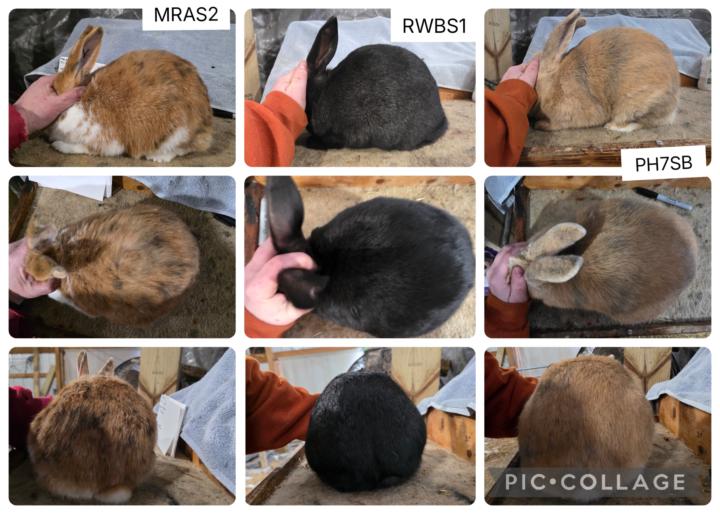
Victrola's Buck Kits
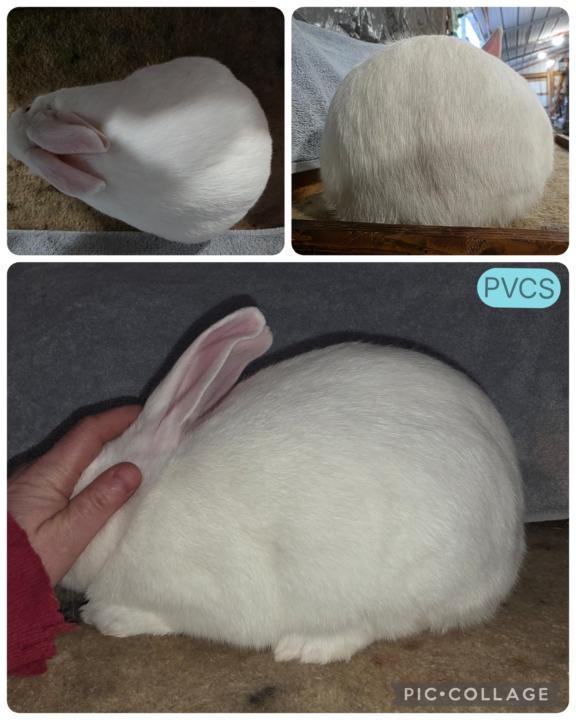
At 8 weeks PVCSA 5lb 2oz. Magpie PVCSB 5lb 2oz. REW PVCSC 4lb 14oz Blue Fawn Tricolor Some of these will be avaible as part of the Senita project looking for seriously Invested project Breeders.
1
0
1-9 of 9
powered by

skool.com/mmcbunclub-6215
Bun Club: science-based rabbit education promoting data-driven care, accurate nutrition, and verified research.
Suggested communities
Powered by