

17d •
مقصف مدرسة الاستقلال — نظام طلب رقمي ذكي
من الفكرة إلى تطبيق حقيقي يعمل بدأت رحلتي معVibe Coding في مدرسة الاستقلال الخاصه بسؤال بسيط: كيف يمكن للتكنولوجيا أن تحل مشكلة يومية حقيقية داخل المدرسة؟ النتيجة: Canteen Compass — نظام ذكي لمقصف المدرسة، يتيح للطلاب تقديم طلباتهم رقمياً، ويُمكّن فريق المقصف من إدارة الطلبات بكفاءة أعلى وأقل وقت ضائع. التطبيق ثنائي اللغة بالكامل (عربي/إنجليزي)، تصميماً وتجربة استخدام — لأن الحل الحقيقي هو الذي يصل لكل مستخدم بلغته. ما يميز هذه التجربة أنها لم تتوقف عند مرحلة التصميم النظري؛ تم اختبار التطبيق فعلياً مع مستخدمين حقيقيين، وهو ما منحني فهماً أعمق لمعنى "تجربة المستخدم" بعيداً عن الافتراضات. هذه الرحلة لم تكن فقط عن تعلّم أداة جديدة — كانت عن دمج خبرتي في الإدارة وخدمة العملاء مع التفكير التحليلي اللازم لبناء منتج رقمي يحل مشكلة فعلية. 🔗 جرّبوا التطبيق: canteen-compass-arabic-english.lovable.app Every great project starts with a simple idea. I'm excited to begin my Vibe Coding journey with Prime Tech Academy, where I'm exploring how AI-powered development can transform ideas into real applications. With my background in Administration, Banking, Customer Service, and my growing interest in AI and digital solutions, my goal is to build practical applications that solve real-world challenges. One of the projects I'm currently working on is a Smart School Canteen System that allows students to place orders digitally, enables canteen staff to manage orders efficiently, and integrates intelligent automation to enhance the user experience. This journey is not only about learning new technology—it's about combining experience, creativity, and innovation to build solutions that make a difference. Looking forward to learning, building, and sharing this experience with an amazing community. Special thanks to Prime Tech Academy and Mr. Ahmed Ibrahim for creating this opportunity. #VibeCoding #BuildingAPP #ArtificialIntelligence #AppDevelopment #Innovation #DigitalTransformation #LearningJourney


19d •
Task 1 إدارة الأعمال بالذكاء الاصطناعي
https://lovable.dev/preview/3JGufH72PT0noXwgvKPP4G0PsU9BpIFy لن كل امرأة تستحق ان تكون جميلة 😊 تفضلو عالم لا عالم الجمال
3
0

Apr 27 •
مشروع تخرج Data analysis
https://claude.ai/public/artifacts/99b11ef7-593b-4894-a720-2d22d7b9b023 عباره عن تحليل اداء الطلاب
Apr 29 •
مشروع التخرج
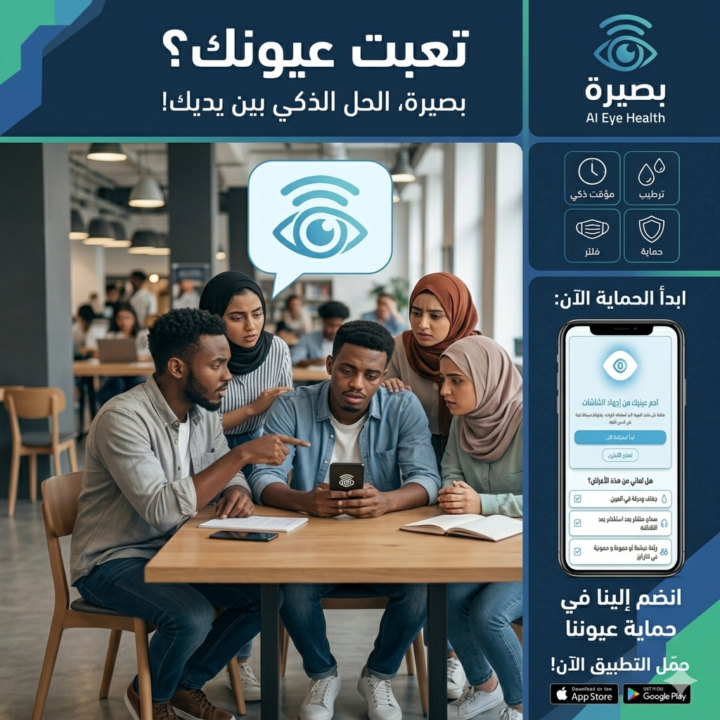
👁💙 لسه بتضغط على عيونك عارفين إنو ضغط القراية والشغل ما بيخلص، والشاشات بقت جزء من يومنا.. بس "بصيرة" دايماً جنبك عشان يذكرك إنو عيونك دي أمانة وتستاهل راحة. إذا حاسس بـ: ❌ حرقان في العين. ❌ صداع بسبب الشاشة. ❌ زغللة في الرؤية. يبقى جا الوقت إنك تفعل بصيرة وتخلي "قاعدة 20-20-20" تنقذك. 🛡️https://bisara-health-guide.lovable.

Apr 29 •
Graduation project: Practical project AI APP
AI Path – Smart Path for Learning & Mind The AI Path project is a smart application powered by artificial intelligence to help students and individuals better understand themselves and choose the right educational path for them. The application conducts a simple user assessment, then analyzes the responses using intelligent logic to determine learning style, strengths, and challenges. It then suggests a personalized learning path tailored to each individual. Project Objectives: Help students discover their true abilities Reduce confusion when choosing a major or learning method Provide a personalized and suitable learning experience for each user Project Concept Combines: Psychological Assessment + Artificial Intelligence + Educational Guidance The project was designed as a prototype using the Lovable platform to offer a simple and user-friendly experience for all age groups. #eliteplus https://masar-mind-path.lovable.app/

1-30 of 1,064
powered by

skool.com/mb-usa-academy-9843
منصة للمبدعين ومتعددي المواهب تتيح لك تصميم حياتك بأسلوب يناسب شغفك، مع فرص عمل، علاقات بزنس، دورات تدريبية مجانية، وموارد تدعم نموك وإبداعك.
Suggested communities
Powered by