Apr 23 • Kenjutsu Training Tips/Advice
Breaking down movement.
S1. Initially, train movement in a vacuum;
“Move like this in order to do this.”
S2. Then, add pressure.
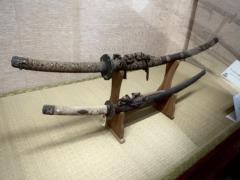
I.e. The weight and feel of a sharp blade (spear/katana/wakazashi/tanto etc)
“This can go wrong for me if done incorrectly. I must pay attention to myself.”
S3. Then add context.
You must visualize your opponent.
“What is the attack and does my movement reflect the katas intention?”
“Have I practiced the kata from both sides to know what to expect?”
How I like to chunk things down. We often get stuck on Step 1 and seldom spend significant time in Step 2. Then, we typically don’t get to Step 3 (or 2) until we enter the dojo and by then the chain is broken and we’re spending time being coached on best practices for Step 1.
I was working on kata the other day and the thought about pressure was in the forefront of my mind. Without increased pressure (not to be confused with speed) the onus to learn is absent and what we end up doing borders on esoteric practice (in any practice). Something to consider.
Thoughts and critique are welcome as always!
6
5 comments
Breaking down movement.
skool.com/learn-kenjutsu-online
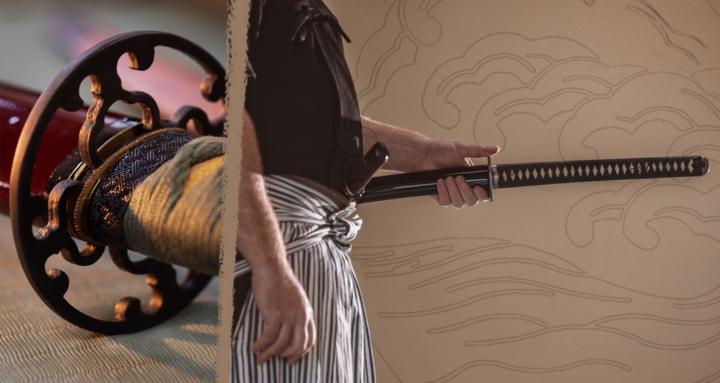
Join our online Kenjutsu classes to learn Japanese swordsmanship. Explore mastery of body, mind, and spirit through traditional samurai martial arts.
Leaderboard (30-day)
1
+54
2

+46
3
+6
4

+6
5

🔥
+5
Powered by