
Write something

22h •
WHO’S READY FOR A VALENTINES DAY GIVEAWAY⁉️⁉️⁉️⁉️
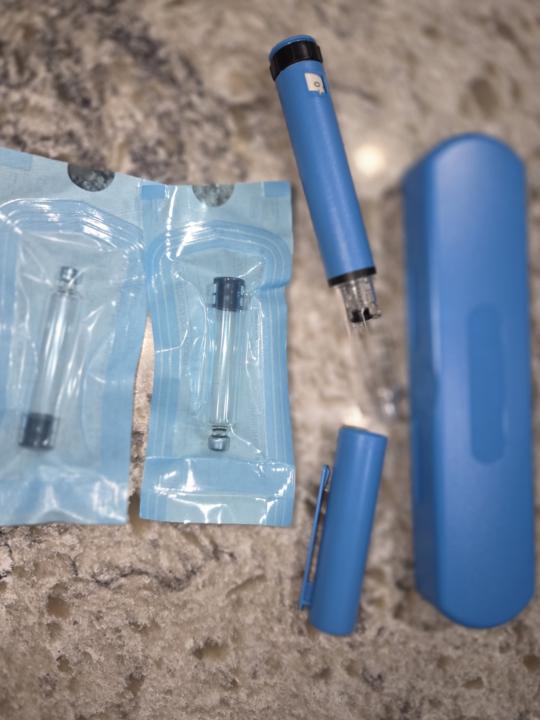
I’m personally giving away a FREE Peptipen!! Peptipen is a reusable 60-unit injection pen specifically designed for peptides. They are used in conjunction with 3mL replaceable glass cartridges complete with storage case. (Needles not included) Here’s how to enter the drawing: 1. Make a purchase over $50 from any of the vendor sites listed in the CLASSROOM. 2. Use my discount code that coincides to that vendor. 3. Post a screenshot of your order confirmation. (Please do not screenshot any personal information) 4. Purchases must be made from 2/14-2/21. 5. The winner will be added to a drawing that will be held next Sunday. The winner will be announced on 2/22. Good luck everyone!!! 🫶 PEPTIDE JUNKIES 24 SHOPIFY STORE- FOR ALL THINGS TOPICAL 10% OFF YOUR FIRST ORDER WITH CODE- KRISTINAMARIE https://peptidejunkies24.myshopify.com ********************************************** GOOD LIFE PEPTIDES https://goodlifepeptides.com 20% OFF- KRISTINAMARIE ********************************************** QUALITY SPRAYS https://qualitysprays.com 20% OFF- KRISTINAMARIE *********************************************** Biostrategix https://www.biostrategix.com 20% OFF- KRISTINAMARIE ************************************************ FELIX CHEM https://felixchem.is/refer/3328/ 10% OFF WITH REFERRAL LINK CODE: KRISTINAMARIE ************************************************ ENHANCED LABZ https://www.enhancedlabz.com/ 10% OFF- KRISTINAMARIE ************************************************ EMPOWERED LABZ https://www.empoweredlabz.com 10% OFF- KRISTINAMARIE ************************************************ JADE NEXUS https://www.jadenexus.net 25% OFF- KRISTINA ************************************************

2d •
Cagri
I'm thinking about giving Cagri a try. I am on Zepbound 12.5. Almost at 2 years. I do not have the appetite suppression like I used to. Gained 4 lbs and i cant get it off. I have already done Zep 15.0 and just recently went back down to 12.5. Hoping Cagri will help. Maybe I will take advantage of the Jade Nexus deal. Anyone try theirs? Do I mix that with Bac water? If I'm just starting out 5g should be enough for a month?

23h •
GLP-1 RAs: A Refresher on Overdosing, Side Effects and Safe Use
Medications (Peptides) like TRZ, Sema, and RTA work by strongly slowing stomach emptying, reducing appetite, and changing how the brain and gut communicate about hunger and fullness. When these drugs are started at too high of a dose or when someone is especially sensitive, the effects can become too strong too fast. This often shows up as severe nausea, vomiting, diarrhea, abdominal cramping, weakness, shaking, and profound fatigue. In simple terms, the stomach and intestines can become over-slowed and overstimulated at the same time, making it hard to keep food or fluids down and leaving people feeling miserable. While nausea and GI upset are known side effects, severe or persistent symptoms usually mean the dose exceeded what the body can tolerate at that moment, rather than just normal adjustment. Most of the time this is not dangerous by itself, but it can become risky if dehydration or electrolyte imbalance develops. Warning signs that need medical attention include not being able to keep fluids down, very dark or minimal urine, dizziness or lightheadedness, severe or worsening abdominal pain, or ongoing vomiting. The good news is that for most people symptoms improve as the medication level slowly falls over several days. Many individuals can still use these medications successfully later if they restart at a much lower dose and increase more slowly. During an acute reaction, the priorities are hydration first—taking small, frequent sips of water or electrolytes, eating bland foods only if tolerated, avoiding fatty, heavy, or spicy meals, resting, and using anti-nausea medication if prescribed or available. The focus should be on preventing dehydration, not forcing calories. Prevention is key. The safest approach with GLP-1 receptor agonists is to start low and go slow, increase doses only after symptoms are well controlled, avoid stacking similar drugs, and respect individual sensitivity. Rapid dose escalation or starting too high is the most common reason people experience severe side effects.
2
0
2d •
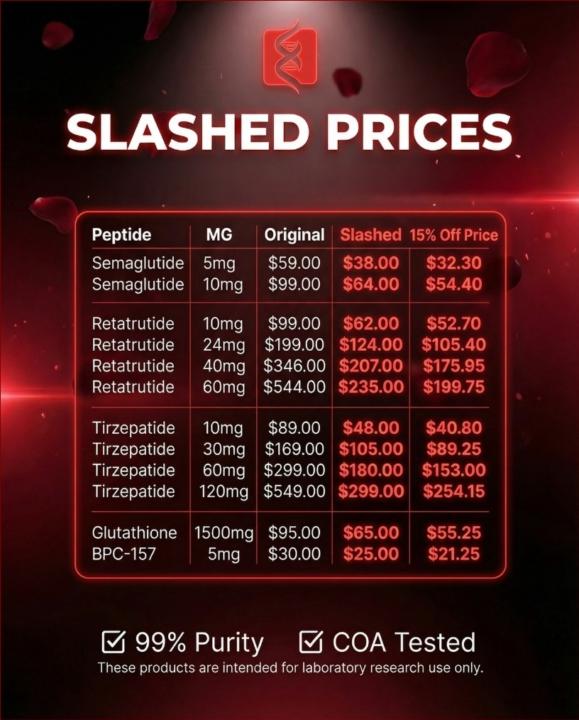
ATOMIK LABZ VALENTINES DAY SLASHED PRICES!!!
Don't miss this sale!! Use code: KristinaMarie15 15% off already slashed prices! https//www.atomiklabz.com
2d •
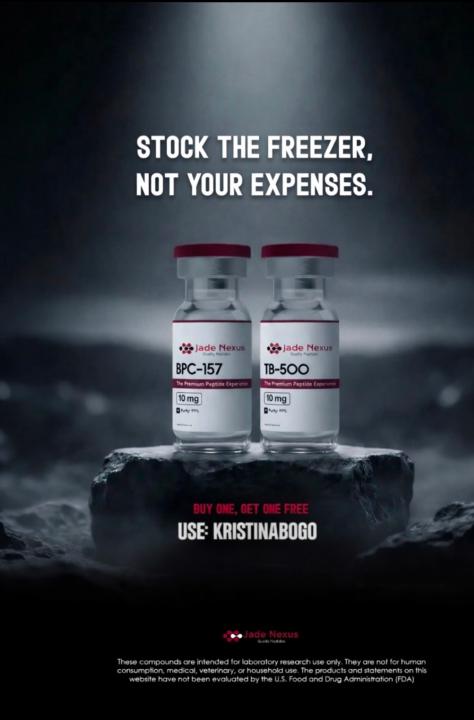
JADE NEXUS BUY ONE GET ONE SALE!!!
BUY ONE GET ONE USING CODE: KRISTINABOGO https://www.jadenexus.net
5
0
1-30 of 222
skool.com/kristinas-peptide-junkies-24-4251
Advance your peptide research with precise, science-driven guidance, expert community talk, and access to vetted suppliers, promotions, and giveaways.
Leaderboard (30-day)
1
+6
2

+6
3

+6
4

+6
5

+5
Powered by