Activity
Mon
Wed
Fri
Sun
Mar
Apr
May
Jun
Jul
Aug
Sep
Oct
Nov
Dec
Jan
Feb
What is this?
Less
More
Memberships
The.Peptide.Edit
90 members • Free
Peptide Lab
483 members • Free
Peptide Price
9.2k members • Free
Heather Dawn Research Wellness
2.9k members • Free
Project Biohacked
10k members • Free
Exploring Peptides Community
10.8k members • Free
Bio Health Peptides Proteins
1.6k members • Free
KRISTINA’S PEPTIDE JUNKIES 24
821 members • Free
The 7-Figure_Affiliate
9 members • Free
5 contributions to KRISTINA’S PEPTIDE JUNKIES 24

6h •
GLP-1 RAs: A Refresher on Overdosing, Side Effects and Safe Use
Medications (Peptides) like TRZ, Sema, and RTA work by strongly slowing stomach emptying, reducing appetite, and changing how the brain and gut communicate about hunger and fullness. When these drugs are started at too high of a dose or when someone is especially sensitive, the effects can become too strong too fast. This often shows up as severe nausea, vomiting, diarrhea, abdominal cramping, weakness, shaking, and profound fatigue. In simple terms, the stomach and intestines can become over-slowed and overstimulated at the same time, making it hard to keep food or fluids down and leaving people feeling miserable. While nausea and GI upset are known side effects, severe or persistent symptoms usually mean the dose exceeded what the body can tolerate at that moment, rather than just normal adjustment. Most of the time this is not dangerous by itself, but it can become risky if dehydration or electrolyte imbalance develops. Warning signs that need medical attention include not being able to keep fluids down, very dark or minimal urine, dizziness or lightheadedness, severe or worsening abdominal pain, or ongoing vomiting. The good news is that for most people symptoms improve as the medication level slowly falls over several days. Many individuals can still use these medications successfully later if they restart at a much lower dose and increase more slowly. During an acute reaction, the priorities are hydration first—taking small, frequent sips of water or electrolytes, eating bland foods only if tolerated, avoiding fatty, heavy, or spicy meals, resting, and using anti-nausea medication if prescribed or available. The focus should be on preventing dehydration, not forcing calories. Prevention is key. The safest approach with GLP-1 receptor agonists is to start low and go slow, increase doses only after symptoms are well controlled, avoid stacking similar drugs, and respect individual sensitivity. Rapid dose escalation or starting too high is the most common reason people experience severe side effects.
1
0

Sep '25 •
Peptide for migraines?
So I’m a chronic headache/migraine suffer. I was wondering if there was a peptide that would help with these headaches. I have been doctors, specialists, had imaging done, see chiropractors, had massages and been on several medicines. TIA
1 like • 15d
this is way after the original post, has any one looked at Dr Dan Purser MDs suggestion for Headaches? the top five intracellular deficiencies linked to chronic migraines: boron, molybdenum, zinc, B12 and glutathione. Many cases may actually be copper toxicity showing up as daily migraines. A low copper approach and the right glutathione can help your body move copper and zinc correctly. Check his lectures.
0 likes • 11d
@Shelby Parker Facebook and links to his web site

15d •
Anyone have any interest in SLU-PP?
500mcg bottles. 100 small tablets. Minimal fillers. $135 Labeled wrong. Can't be sold on the vendor site as labeled.
1 like • 15d
@Christine Haberhauer 😂🤣
0 likes • 15d
@Kristina Marie 😄
19d •
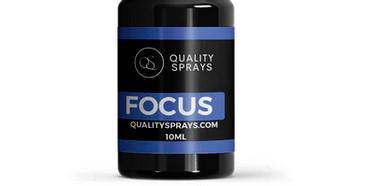
PEPTIDES AS NASAL SPRAYS
Why Some Peptides Work as Nasal Sprays (And Most Don’t): This content is for educational purposes only and is not medical advice. Always consult a qualified healthcare provider before starting any peptide or supplement protocol. You’ve probably seen nasal spray versions of popular peptides everywhere—BPC-157 nasal spray, PT-141 nasal spray, even GLP-1 nasal sprays. But here’s the reality: Just because a peptide comes in a spray bottle doesn’t mean your nose is the right delivery method. Let’s break down how nasal delivery actually works, why it only makes sense for certain peptides, and which ones truly belong anywhere near your nasal cavity. How Your Nose Connects to Your Brain: Your nasal cavity isn’t just for breathing and smell. It’s one of the very few places in the body where the outside world has near-direct access to your central nervous system. Two key nerve pathways make this possible: 1. The Olfactory Nerve This nerve is responsible for smell and runs directly from the upper nasal cavity into the brain—without a blood–brain barrier in between. 2. The Trigeminal Nerve This large sensory nerve supplies the face and has branches that connect directly to the brainstem. When a substance reaches these pathways, it can essentially bypass the bloodstream and enter the brain directly. This is known as nose-to-brain delivery. Why This Matters for Peptides: Most injected peptides are designed to work systemically. They enter the bloodstream and travel throughout the body to reach their target tissues. But some peptides are different. They specifically target: - The brain - The central nervous system - Neural receptors concentrated in brain tissue For these peptides, nasal delivery can make sense because it offers: - Faster onset (no digestion or first-pass liver metabolism) - Direct access to the brain - Non-invasive administration (no needles) The Key Question: Where Does the Peptide Need to Go? Use this simple framework: - Targets the brain or CNS? → Nasal delivery can make sense - Targets neural receptors? → Nasal delivery can make sense - Targets muscle, joints, gut, or fat tissue? → Nasal delivery does not make sense - Requires systemic, whole-body exposure? → Nasal delivery does not make sense
2 likes • 18d
for reference, 1000 Da is roughly on the order of 1/1000th of a micron (relative). My water filters filter 0.5 - 1 micron for bacterial and viral prevention. This is really small. lol🤓
0 likes • 18d
Nice work
1-5 of 5

@antonio-acosta-3480
DNP, MS, APRN, CRNA, NSPM-c, FNP. Retired military. Love my job. Coaching those needing improvement optimizing physiological function.
Active 11m ago
Joined Jan 25, 2026
Texas
Powered by