
Write something
Pinned
Jul 13 •
When Calm Does Not Work: Teaching Dogs to Communicate and Think in High Arousal
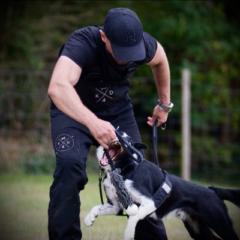
Hey guys- I had the opportunity to present this webinar on Arousal Modulation Conference and I received very positive feedback. Q&A was almost hour long and we have finished only because I needed to go to another room for discussion panel :) I decided to share this presentation to you all as a thank you for joining this community. Any questions let me know in the comments and we will do our live Q&A :) Description: Many training approaches focus on keeping dogs calm, relaxed, and below threshold. While these skills are valuable, if alone they often fail to prepare dogs for the moments that matter most. Whether it is a reactive dog encountering a trigger, a sport dog entering the competition field, or a working dog facing real-world pressure, arousal inevitably rises. Excitement, frustration, anticipation, and fear can all interfere with performance. As arousal increases, communication often breaks down. The dog stops responding, decision-making deteriorates, and both handler and dog become disconnected. The goal should not be to keep dogs calm all the time. Instead, we should teach them how to stay connected, responsive, and capable of making good decisions even when arousal is high. In this presentation, Alex Lato explores how arousal affects learning, communication, and performance, and why many traditional approaches to impulse control and calmness fail to transfer into real-life situations. Drawing from experience with reactive dogs, companion dogs, and working dogs, he presents practical strategies for maintaining communication when excitement, frustration, or uncertainty take over. Topics covered include: - How arousal influences behaviour, learning, and performance - Common sources of high arousal, including excitement, frustration, and fear - Why calmness alone often fails to prepare dogs for real-world challenges - The difference between suppressing arousal and teaching dogs to function within it - Using play as a tool for developing communication, emotional regulation, and clear thinking

Pinned
Dec '25 •
👋 Welcome to the group, you legends
Thanks for jumping in here early – you’re basically the founding members of this community. This space is for all of you who already follow my work and want a place to go a bit deeper together. Please say hi in the comments and share: - Who are you and what dog/dogs you have? - What are you mainly working on right now? - What’s the first thing you’d like to learn here – one topic or problem you want me to cover as soon as possible? Many thanks, Alex
2d •
What is something you are proud of from the last month?
I will start first in the comments and waiting for you sharing as well!


2d •
Play With Purpose: HW 1 Reinforcers
Boy did I struggle with this one, can easily give a list of reinforces but if you put into the context of ones you can use, I could not get past the required 1) Food and 2) Play. All the others to me morphed under the play bucket. So, I ended up with this list. The hunt seek could be something we do together same with chase, but this one blends with play and food in a way. We talked about the chew / destroy when I asked about toys, but I could not come up with anything else. So the list I came up with was:
0
0

3d •
Appropriate Toys
Alex, just watched the first two videos in Play with Purpose. When choosing toys if you have a dog that likes fluffy toys but likes them because he likes to tear off the fluff, should you avoid these or include but manage or use the tearing behaviour. I accidently watch the third video first and tearing/destroying would be in Douglas' top five rewards.
1-30 of 108
Leaderboard (30-day)
1

+12
2

+11
3

+10
4

+6
5

+6
Powered by