
13d • Relational Health 💕
Lone soccer ball: Impermanence and Relationships
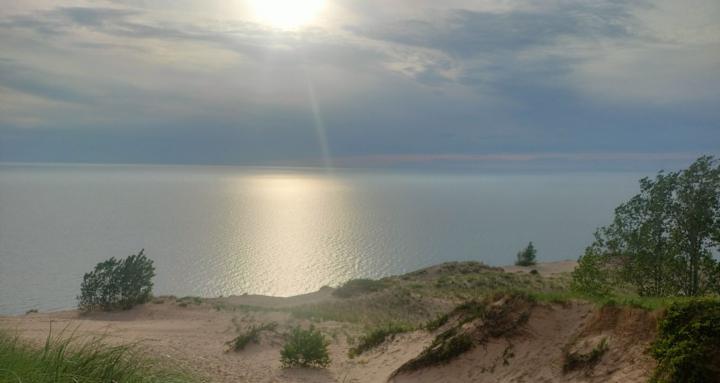
I went to catch myself a sunrise yesterday morning. On my way to 'the spot', I noticed a soccer ball sitting alone in the field--there were no people in sight (likely because it was 5:30a.m., ha!).
But looking at this ball got me thinking about how we lose things or how we can be 'left behind'. Made me think about how sometimes we fumble things or we are fumbled and through negligence, distraction or to being caught in the crossfire of someone else's stuff (or them being caught in the crossfire of our own stuff) we end up losing things. Sometimes we can recover them but sometimes not. And...Sometimes those things are more important than soccer balls.
Funny enough, on my way back from this walk, there were four men that were gently kicking the ball around as they were walking... Perhaps they will also leave the ball behind for different reasons, but it was also a reminder of how being fumbled doesn't have to be the end of the story.
---------
Most of us don't lose important relationships because we wake up one day and decide they don't matter. More often, they fade through distraction, neglect, competing priorities, stress, assumptions, or simply the busyness of life. Sometimes it's related to wounds that they/we haven't tended to and we/they end up as collateral damage in something that doesn't even have to do with us/them. We become consumed with our own struggles or focused on someone else's, and before we realize it, something valuable has been left behind.
𝐑𝐞𝐥𝐚𝐭𝐢𝐨𝐧𝐬𝐡𝐢𝐩𝐬 𝐚𝐬 𝐥𝐢𝐯𝐢𝐧𝐠 𝐬𝐲𝐬𝐭𝐞𝐦𝐬. Like muscles, they strengthen through (healthy) use and weaken through disuse or misuse. There are things that keep relationships alive: healthy attention, responsiveness, shared experiences, shared values and visions, shared rhythm of life... Without those, emotional distance can emerge. It's not necessarily through malice (usually it's not), but through impermanence.
𝐈𝐦𝐩𝐞𝐫𝐦𝐚𝐧𝐞𝐧𝐜𝐞 𝐢𝐬 𝐚 𝐟𝐮𝐧𝐝𝐚𝐦𝐞𝐧𝐭𝐚𝐥 𝐫𝐞𝐚𝐥𝐢𝐭𝐲 𝐨𝐟 𝐥𝐢𝐟𝐞.People change (or, more likely, their focus is more likely to change). Circumstances change. Roles change. What felt effortless at one stage of life may require intention at another (think kids-when a couple could just effortlessly spend time together, now they have to be very intentional about that time).
𝐑𝐞𝐥𝐚𝐭𝐢𝐨𝐧𝐬𝐡𝐢𝐩𝐬 𝐚𝐫𝐞 𝐧𝐨𝐭 𝐬𝐭𝐚𝐭𝐢𝐜 𝐩𝐨𝐬𝐬𝐞𝐬𝐬𝐢𝐨𝐧𝐬 𝐰𝐞 𝐚𝐜𝐪𝐮𝐢𝐫𝐞 𝐚𝐧𝐝 𝐤𝐞𝐞𝐩 𝐟𝐨𝐫𝐞𝐯𝐞𝐫; 𝐭𝐡𝐞𝐲 𝐚𝐫𝐞 𝐨𝐧𝐠𝐨𝐢𝐧𝐠 𝐩𝐫𝐨𝐜𝐞𝐬𝐬𝐞𝐬 𝐭𝐡𝐚𝐭 𝐫𝐞𝐪𝐮𝐢𝐫𝐞 𝐩𝐚𝐫𝐭𝐢𝐜𝐢𝐩𝐚𝐭𝐢𝐨𝐧.
𝐒𝐲𝐧𝐞𝐫𝐠𝐲. 𝑺𝒚𝒏𝒆𝒓𝒈𝒊𝒂 : (the Latin and Neo-Latin root for the English word synergy) means "working together" or "cooperation." It comes from the ancient Greek word synergos, combining syn- (meaning "together") and ergon (meaning "work"). The term highlights that the combined effect of two or more entities, people, or elements is greater than the sum of their individual effects). :)
So when this synergy doesn't happen, losses occur. Not everything HAS to be lost forever. But sometimes they are. Sometimes relationships can be repaired. Friendships can be rekindled. Marriages can recover. Family members can reconnect. Trust can be rebuilt.
***Research on attachment and relational resilience suggests that 𝗿𝗲𝗹𝗮𝘁𝗶𝗼𝗻𝘀𝗵𝗶𝗽𝘀 𝗼𝗳𝘁𝗲𝗻 𝗵𝗲𝗮𝗹 𝗻𝗼𝘁 𝗯𝗲𝗰𝗮𝘂𝘀𝗲 𝘁𝗵𝗲𝗿𝗲 𝘄𝗮𝘀 𝗻𝗲𝘃𝗲𝗿 𝗱𝗶𝘀𝘁𝗮𝗻𝗰𝗲 𝗼𝗿 𝗿𝘂𝗽𝘁𝘂𝗿𝗲, 𝗯𝘂𝘁 𝗯𝗲𝗰𝗮𝘂𝘀𝗲 𝘀𝗼𝗺𝗲𝗼𝗻𝗲 𝘄𝗮𝘀 𝘄𝗶𝗹𝗹𝗶𝗻𝗴 𝘁𝗼 𝗿𝗲𝘁𝘂𝗿𝗻, 𝗿𝗲𝗽𝗮𝗶𝗿, 𝗮𝗻𝗱 𝗿𝗲-𝗲𝗻𝗴𝗮𝗴𝗲.*** But, it requires dual (active) participation. On both parts.
Sometimes things can't or won't be recovered. Some opportunities pass, some people move on, some seasons end...
So....what's the point of all of this? Maybe it's just a reminder to 𝐩𝐚𝐲 𝐚𝐭𝐭𝐞𝐧𝐭𝐢𝐨𝐧 𝐚𝐧𝐝 𝐭𝐞𝐧𝐝 𝐭𝐨 𝐰𝐡𝐚𝐭 𝐦𝐚𝐭𝐭𝐞𝐫𝐬. If you say something is important, then put in the time and energy. Intentions are one thing (and I do think that they matter...I think the heart of a person matters), but follow through on those intentions matters as well. That shows integrity. That's how we build trust with ourselves (most important, I think ) and others!
Be an active participant before things get left behind or lost or they leave. If something important has already been neglected, don't assume it's gone forever but also don't assume it'll just be there either.
Impermanence cuts both ways. It reminds us that loss is possible, but it also reminds us that disconnection, loneliness, resentment, and distance are not permanent states either. Everything is changing, including the possibility for repair. :)
𝐏𝐎𝐋𝐋: 𝐖𝐡𝐚𝐭 𝐜𝐚𝐮𝐬𝐞𝐬 𝐭𝐡𝐞 𝐠𝐫𝐞𝐚𝐭𝐞𝐬𝐭 𝐫𝐞𝐥𝐚𝐭𝐢𝐨𝐧𝐬𝐡𝐢𝐩 𝐥𝐨𝐬𝐬𝐞𝐬? 𝐏𝐬𝐲𝐜𝐡𝐨𝐥𝐨𝐠𝐢𝐜𝐚𝐥𝐥𝐲 𝐬𝐩𝐞𝐚𝐤𝐢𝐧𝐠, 𝐫𝐞𝐥𝐚𝐭𝐢𝐨𝐧𝐬𝐡𝐢𝐩𝐬 𝐨𝐟𝐭𝐞𝐧 𝐝𝐞𝐭𝐞𝐫𝐢𝐨𝐫𝐚𝐭𝐞 𝐭𝐡𝐫𝐨𝐮𝐠𝐡 𝐬𝐦𝐚𝐥𝐥, 𝐜𝐮𝐦𝐮𝐥𝐚𝐭𝐢𝐯𝐞 𝐟𝐚𝐜𝐭𝐨𝐫𝐬 𝐫𝐚𝐭𝐡𝐞𝐫 𝐭𝐡𝐚𝐧 𝐝𝐫𝐚𝐦𝐚𝐭𝐢𝐜 𝐞𝐯𝐞𝐧𝐭𝐬. 𝐖𝐡𝐚𝐭 𝐝𝐨 𝐲𝐨𝐮 𝐭𝐡𝐢𝐧𝐤 𝐢𝐬 𝐭𝐡𝐞 𝐛𝐢𝐠𝐠𝐞𝐬𝐭 𝐭𝐡𝐫𝐞𝐚𝐭 𝐭𝐨 𝐦𝐚𝐢𝐧𝐭𝐚𝐢𝐧𝐢𝐧𝐠 𝐢𝐦𝐩𝐨𝐫𝐭𝐚𝐧𝐭 𝐫𝐞𝐥𝐚𝐭𝐢𝐨𝐧𝐬𝐡𝐢𝐩𝐬?
𝐑𝐄𝐅𝐋𝐄𝐂𝐓𝐈𝐎𝐍: 𝐇𝐚𝐯𝐞 𝐲𝐨𝐮 𝐞𝐯𝐞𝐫 𝐬𝐮𝐜𝐜𝐞𝐬𝐬𝐟𝐮𝐥𝐥𝐲 𝐫𝐞𝐤𝐢𝐧𝐝𝐥𝐞𝐝 𝐚 𝐫𝐞𝐥𝐚𝐭𝐢𝐨𝐧𝐬𝐡𝐢𝐩 𝐭𝐡𝐚𝐭 𝐲𝐨𝐮 𝐭𝐡𝐨𝐮𝐠𝐡𝐭 𝐰𝐚𝐬 𝐠𝐨𝐧𝐞 𝐟𝐨𝐫 𝐠𝐨𝐨𝐝? 𝐖𝐡𝐚𝐭 𝐦𝐚𝐝𝐞 𝐭𝐡𝐞 𝐝𝐢𝐟𝐟𝐞𝐫𝐞𝐧𝐜𝐞?
🔹 Lack of communication
🔹 Taking people for granted
🔹 Getting too busy with life's responsibilities
🔹 Unresolved hurt or resentment
🔹 Growing in different directions
🔹 Assuming there will always be more time
🔹 Other (share below)
10 votes
13
12 comments
Lone soccer ball: Impermanence and Relationships
powered by
skool.com/inspired-life-empowered-being-7894
⭐Inspire.Empower.Live. Supportive skool where we are encouraged to increase our awareness, take action, and thrive through life's adventures.💪💕
Suggested communities
Powered by