

13h •
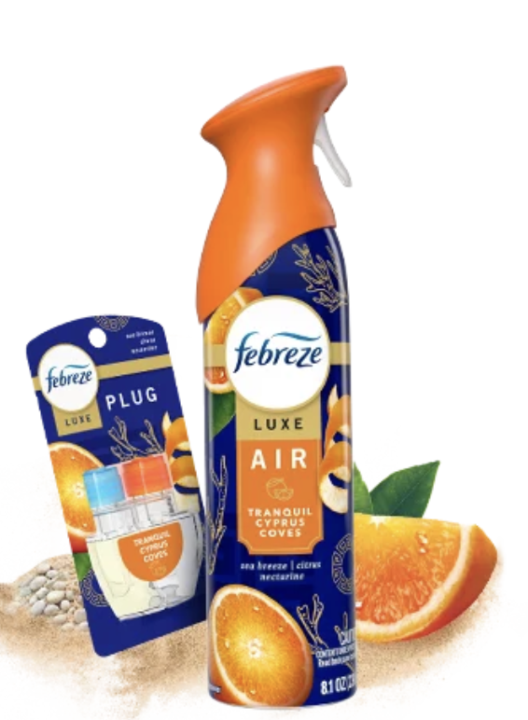
🧴 This Week’s Spotlight: What’s Really Inside Febreze
Febreze is one of the most recognizable “freshening” sprays in the country. It’s in millions of homes, cars, classrooms, and offices. But while the label promises clean air and odor removal, the ingredient list tells a very different story. 🚨 What’s Actually in That Mist? Despite the marketing language around “freshness,” Febreze contains a blend of synthetic chemicals that can affect indoor air quality and human health. - Phthalates — Often hidden under the word fragrance, these chemicals are linked to hormone disruption, reproductive concerns, asthma, and developmental effects in children (EWG, n.d.; PubMed, n.d.). - Benzisothiazolinone (BIT) — A preservative associated with skin and respiratory sensitization. The EU has restricted its use due to safety concerns (ECHA, n.d.). - Propylene Glycol — Considered generally safe but known to irritate eyes and airways, especially for those with asthma or sensitivities (EPA, n.d.). - Synthetic Fragrance Blends — A single scent can contain dozens of undisclosed chemicals, many derived from petroleum, which may trigger headaches, dizziness, or breathing issues (EWG, n.d.). 🫁 How These Chemicals Affect Your Home Environment Regular use of Febreze has been associated with: - Respiratory irritation from inhaling fine mist particles - Endocrine disruption linked to phthalate exposure - Allergic reactions such as headaches, rashes, and sensitivities - Increased indoor air pollution, since the product masks odors rather than removing them (EPA, n.d.) 🎭 The Odor‑Elimination Myth Febreze doesn’t actually “erase” odors. It uses cyclodextrin to temporarily trap some odor molecules while layering synthetic fragrance on top. The smell isn’t gone—you’re just breathing a chemical cover‑up (EWG, n.d.). 🌿 Cleaner, Safer Ways to Freshen Your Space - Open windows for natural airflow - Use baking soda to absorb odors - Diffuse pure essential oils - Clean with white vinegar solutions Fresh air doesn’t require a chemical fog. Simple, low‑toxic methods often work better—and support your long‑term health.
2d •
What brands do to use?
Crest Toothpaste up for the next segment! Listerine after. What oral hygiene products do you use?
3d •
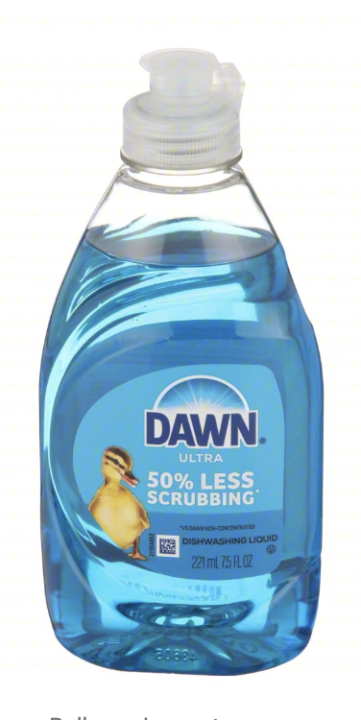
What's in your Dish Detergent?
Dawn dish soap sits in nearly every American kitchen, marketed as the gentle soap that's "tough on grease, soft on hands." Wildlife rescue organizations even endorse it for cleaning oil-soaked animals, creating a halo effect that makes consumers believe it's completely safe. But beneath Dawn's squeaky-clean marketing lies a cocktail of synthetic chemicals that may be doing more harm than good to your health and the environment. Dawn's most brilliant marketing coup isn't their commercials—it's their partnership with wildlife rescue organizations. For decades, we've seen heartwarming images of volunteers gently washing oil-covered ducks and seals with Dawn, accompanied by the tagline "Dawn helps save wildlife." **The Emotional Manipulation**: These campaigns trigger powerful emotions—who doesn't want to save adorable animals? By associating their product with wildlife rescue, Dawn creates an unshakeable perception that their soap is not only safe but actually beneficial for the environment. **The Hidden Truth**: What they don't tell you is that Dawn is used in oil spill cleanups not because it's gentle, but because it's so harsh it can break down crude oil. The same aggressive surfactants that strip oil from bird feathers are stripping the natural protective oils from your skin every time you wash dishes. **The Halo Effect**: This wildlife association has created a "health halo" where consumers assume that if it's safe enough for rescued animals, it must be safe for their families. Dawn has successfully transformed a harsh industrial degreaser into a trusted household staple through emotional marketing. **The Irony**: While Dawn helps clean up environmental disasters, its everyday use contributes to water pollution through the very chemicals that make it effective against oil spills. Despite its "gentle" reputation, Dawn contains several concerning ingredients that most consumers never think twice about: **Sodium Lauryl Sulfate (SLS)** - This harsh detergent creates those satisfying suds but can strip your skin's natural protective barrier, leading to dryness, irritation, and increased absorption of other chemicals. SLS is so effective at breaking down oils that it's used in clinical studies to intentionally irritate skin for testing purposes.
1d •
What's Really in Your Toothpaste?
🦷 Rethinking Toothpaste: A Holistic, Realistic Look at What We’re Putting in Our Mouths By Dr. Elena Marlowe, DDS — fictional educator created for Will Health Ed Most of us grew up believing that if a toothpaste was on the shelf, had a shiny label, or claimed “dentist recommended,” it was automatically good for us. But inside this community, we look at things differently. We look at the whole body, the whole ingredient list, and the whole truth behind what we use every single day. Over 20+ years in practice, Dr. Elena Marlowe noticed a pattern: patients using popular toothpastes like Crest 3D White, Sensodyne Extra Sensitive with Whitening, Arm & Hammer Advanced White, Dental Matrix, and denture adhesives like Fixodent often came in with the same complaints—mouth irritation, sensitivity, ulcers, or a disrupted oral microbiome. That pattern made her pause. And that pause is where holistic health begins. ⚠️ The Warning Label Most People Never Read Every fluoride toothpaste—no matter the brand—carries an FDA‑mandated poison control warning. That’s because swallowing too much fluoride can be harmful, especially for children (FDA, 2025). Fluoride can help prevent cavities, but research also shows that excessive exposure may contribute to neurotoxicity, thyroid disruption, and skeletal fluorosis (Fluoride Action Network, n.d.). When a daily product requires a poison control number, it’s worth asking questions. 🎯 How Marketing Shapes What We Believe We’ve all seen the “recommended by dentists” claims. But here’s what’s behind them: - Surveys often use narrow or leading questions that favor certain brands (PolitiFact, 2022). - Professional endorsements can be influenced by financial relationships between dental organizations and manufacturers (PolitiFact, 2022). This doesn’t mean every product is harmful. It means we deserve transparency so we can make informed, whole‑body decisions. 🧪 What’s Actually Inside These Popular Products These ingredients appear across the brands mentioned above. The goal isn’t to shame the brands—it’s to understand what we’re brushing with twice a day.
1-4 of 4

skool.com/holistically
Supporting Friends trying to be Holistic, but keeping it Realistic!
Detox - Nutrition - Supplements - Peptides - Water and more!
Leaderboard (30-day)
1

+49
2

🔥
+32
3

+16
4

+13
5

+8
Powered by