
Pinned

1d •
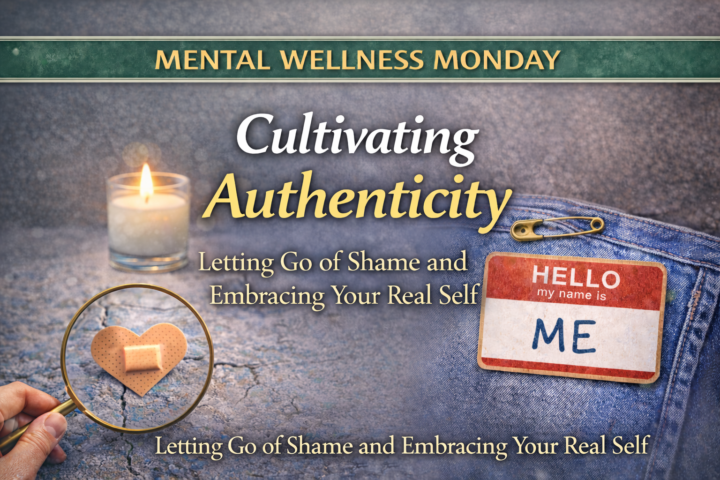
🧠 𝗠𝗲𝗻𝘁𝗮𝗹 𝗪𝗲𝗹𝗹𝗻𝗲𝘀𝘀 𝗠𝗼𝗻𝗱𝗮𝘆: 𝗔𝘂𝘁𝗵𝗲𝗻𝘁𝗶𝗰𝗶𝘁𝘆
Before we dig into this week’s Mental Wellness Monday lesson from Dr. @Pam Hernandez kaufman there are two important things we want to make sure you know. 1.🌿 𝗝𝗢𝗜𝗡 𝗗𝗥. 𝗣𝗔𝗠’𝗦 𝗙𝗥𝗘𝗘 𝗦𝗞𝗢𝗢𝗟 𝗚𝗥𝗢𝗨𝗣 — 𝗪𝗛𝗜𝗟𝗘 𝗜𝗧’𝗦 𝗦𝗧𝗜𝗟𝗟 𝗙𝗥𝗘𝗘 If Mental Wellness Mondays resonate with you, this is where the deeper work continues. 🧠 Shrink Rap with Dr. Pam is her dedicated Skool community for mental wellness, trauma-informed healing, identity work, and real-life application. Inside the group you’ll find:• Deeper teachings and reflections• Ongoing discussion and support• Access to live sessions and replays• A grounded, safe space for healing and growth 👉 Join Dr. Pam’s Skool group here: https://www.skool.com/shrinkrap/about ✨ The group is currently FREE, and those who join now are being grandfathered in before any future changes. 2.📅 𝗟𝗜𝗩𝗘 “𝗔𝗦𝗞 𝗔 𝗦𝗛𝗥𝗜𝗡𝗞” — 𝗙𝗘𝗕𝗥𝗨𝗔𝗥𝗬 𝟮𝟱 @ 𝟲𝗣𝗠 𝗘𝗦𝗧 This live Q&A is open to all members, but attendance now requires joining the Holistic American Health Academy (HAHA). 👉 The good news • HAHA is FREE to join • No Zoom • No registration forms • Just join and show up ✅ How to Attend 1️⃣ Join the Holistic American Health Academy (FREE):https://www.skool.com/holisticamerican/about 2️⃣ Once inside, go to the Calendar 3️⃣ Show up live and click the meeting link 👉 Join the live meeting here:https://www.skool.com/live/6XpMTXQptfR 📺 About Replays 1. Replays are always hosted inside Dr. Pam’s FREE Skool group Shrink Rap 2. Replays are also posted inside HAHA → Classroom → Q&A Replays, which houses our full holistic video library dating back to February 2024 ⚠️ Replays are available to HAHA Premium members only.If you are not premium, you must attend live to receive the information. ⏳ Do not wait. Join HAHA now so you’re ready when the session goes live. ---------------------------- 🌎 This Week’s Mental Wellness Monday from Dr. Pam mental wellness monday 2926
Pinned
2d •
SALE EXTENDED!🚨 LAST CHANCE — MEMBER-ONLY SALE ENDS TONIGHT! 🚨
Please accept our apologies for the discount code issue on Sunday. We have extended the sale another 24 hours. Sales ends tonight 2/9 at 11:59PM EST -------------- This is it, Holistica fam. Tonight is your final opportunity to grab our Peppermint Peptide Deodorant during the member-only pre-launch sale. Once the clock hits 11:59 PM EST, this pricing is gone. 🌿 Why members are stocking up: • Peptide-powered odor control without aluminum or baking soda • Supports underarm skin comfort and resilience • Lightweight, balm-style formula that actually works • Clean, cooling peppermint finish • Designed to work with your body, not against it 💸 LAST DAY OFFER: 25% OFF — Unlimited, No Restrictions ⏰ Sale Ends: Tonight (2/9 ) at 11:59 PM EST 👉 Shop here: https://shopholistica.co/discount/PEPPERMINT25?redirect=%2Fproducts%2F2-pack-peptide-peppermint-deodorant 💡 Use code PEPPERMINT25 if the link doesn’t auto-apply ✨ Why your purchase matters: $1 from every product sold supports LoveChangesAll.Org Ministry, helping raise awareness, provide resources, and bring hope and healing to survivors of human trafficking right here in the U.S. Attached is a video from LaveChangesAll Org Ministry owners John and Cindy Thalheimer on child and human trafficking. Thank you for supporting clean products, ethical sourcing, and purpose-driven wellness. This is the last call — don’t miss it 🌿

Pinned

⭐
16h •
HOLISTIC AMERICAN HEALTH ACADEMY - 𝑰𝒎𝒑𝒓𝒐𝒗𝒊𝒏𝒈 𝒍𝒊𝒗𝒆𝒔!
Hello Holistic Product Testers! 👋 For those who don't know me, I'm Ashley Woosley: Holistic Health Practitioner, Certified Holistic Nutritionist, Certified Strength & Conditioning Specialist, & Co-founder of the 𝐇𝐨𝐥𝐢𝐬𝐭𝐢𝐜 𝐀𝐦𝐞𝐫𝐢𝐜𝐚𝐧 𝐇𝐞𝐚𝐥𝐭𝐡 𝐀𝐜𝐚𝐝𝐞𝐦𝐲 (𝐇𝐀𝐇𝐀). Today, I had to take a quick pause to share a story that captures why the 𝐇𝐨𝐥𝐢𝐬𝐭𝐢𝐜 𝐀𝐦𝐞𝐫𝐢𝐜𝐚𝐧 𝐇𝐞𝐚𝐥𝐭𝐡 𝐀𝐜𝐚𝐝𝐞𝐦𝐲 exists, & why so many families are choosing to grow with us! Most people don’t come looking for a health community because life feels calm & clear. They come because they’re overwhelmed 🥴 and because they want better for their families. Let's be honest, the information keeps changing, the labels are confusing, & the cost (financial, emotional, physical) feels heavy. Despite the confusion & noise of the internet, one of our members recently shared this: "𝑆𝑖𝑛𝑐𝑒 𝑗𝑜𝑖𝑛𝑖𝑛𝑔, 𝑚𝑦 ℎ𝑒𝑎𝑙𝑡ℎ ℎ𝑎𝑠 𝑖𝑚𝑝𝑟𝑜𝑣𝑒𝑑. 𝑀𝑦 𝑓𝑎𝑚𝑖𝑙𝑦'𝑠 ℎ𝑒𝑎𝑙𝑡ℎ ℎ𝑎𝑠 𝑖𝑚𝑝𝑟𝑜𝑣𝑒𝑑. 𝐼'𝑣𝑒 𝑠𝑎𝑣𝑒𝑑 𝑚𝑜𝑛𝑒𝑦 𝑓𝑜𝑙𝑙𝑜𝑤𝑖𝑛𝑔 𝑡ℎ𝑒 𝐻𝑜𝑙𝑖𝑠𝑡𝑖𝑐 𝑜𝑛 𝑎 𝐵𝑢𝑑𝑔𝑒𝑡 (𝑛𝑜𝑡 𝑡ℎ𝑒 𝑒𝑥𝑎𝑐𝑡 𝑛𝑎𝑚𝑒) 𝑠𝑒𝑟𝑖𝑒𝑠. 𝐼'𝑣𝑒 𝑙𝑒𝑎𝑟𝑛𝑒𝑑 𝑤ℎ𝑎𝑡 𝑡ℎ𝑜𝑠𝑒 𝑡𝑜𝑥𝑖𝑐 𝑖𝑛𝑔𝑟𝑒𝑑𝑖𝑒𝑛𝑡𝑠 𝑎𝑐𝑡𝑢𝑎𝑙𝑙𝑦 𝑎𝑟𝑒 𝑡ℎ𝑎𝑡 𝐼 𝑐𝑎𝑛'𝑡 𝑝𝑟𝑜𝑛𝑜𝑢𝑛𝑐𝑒 𝑜𝑛 𝑓𝑜𝑜𝑑 𝑙𝑎𝑏𝑒𝑙𝑠. 𝐼'𝑣𝑒 𝑚𝑒𝑡 𝑠𝑜𝑚𝑒 𝑎𝑚𝑎𝑧𝑖𝑛𝑔 𝑝𝑒𝑜𝑝𝑙𝑒 ℎ𝑒𝑟𝑒 𝑡ℎ𝑎𝑡 𝑛𝑜𝑡 𝑜𝑛𝑙𝑦 𝑏𝑒𝑙𝑖𝑒𝑣𝑒 𝑖𝑛 𝑡ℎ𝑒 𝑠𝑎𝑚𝑒 𝑔𝑜𝑎𝑙, 𝑏𝑢𝑡 𝑡ℎ𝑒𝑦 𝑎𝑟𝑒 𝑠𝑜 𝑘𝑖𝑛𝑑 𝑎𝑛𝑑 𝑤𝑖𝑙𝑙𝑖𝑛𝑔 𝑡𝑜 𝑠ℎ𝑎𝑟𝑒 𝑡ℎ𝑒𝑖𝑟 𝑘𝑛𝑜𝑤𝑙𝑒𝑑𝑔𝑒. 𝑇ℎ𝑎𝑛𝑘 𝑦𝑜𝑢 𝑓𝑜𝑟 𝑐𝑟𝑒𝑎𝑡𝑖𝑛𝑔 𝑡ℎ𝑖𝑠 𝑔𝑟𝑜𝑢𝑝, 𝑡ℎ𝑎𝑛𝑘𝑠 𝑡𝑜 𝑎𝑙𝑙 𝑡ℎ𝑒 𝑝𝑟𝑎𝑐𝑡𝑖𝑡𝑖𝑜𝑛𝑒𝑟𝑠 𝑡ℎ𝑎𝑡 𝑠ℎ𝑎𝑟𝑒 𝑡ℎ𝑒𝑖𝑟 𝑎𝑚𝑎𝑧𝑖𝑛𝑔 𝑘𝑛𝑜𝑤𝑙𝑒𝑑𝑔𝑒 𝑎𝑛𝑑 𝑓𝑖𝑛𝑎𝑙𝑙𝑦 𝑡ℎ𝑎𝑛𝑘 𝑦𝑜𝑢 𝑡𝑜 𝑒𝑣𝑒𝑟𝑦𝑜𝑛𝑒 ℎ𝑒𝑟𝑒 𝑜𝑛 𝑡ℎ𝑖𝑠 𝑗𝑜𝑢𝑟𝑛𝑒𝑦. 𝐼𝑡 𝑖𝑠𝑛'𝑡 𝑒𝑎𝑠𝑦 𝑎𝑛𝑑 𝑡ℎ𝑒 𝑖𝑛𝑓𝑜 𝑖𝑠 𝑐𝑜𝑛𝑠𝑡𝑎𝑛𝑡𝑙𝑦 𝑐ℎ𝑎𝑛𝑔𝑖𝑛𝑔, 𝑏𝑢𝑡 𝑤𝑒 ℎ𝑎𝑣𝑒 𝑡𝑜 𝑝𝑢𝑠ℎ 𝑡ℎ𝑟𝑜𝑢𝑔ℎ 𝑓𝑜𝑟 𝑜𝑢𝑟 𝑝𝑙𝑎𝑛𝑒𝑡 𝑎𝑛𝑑 𝑜𝑢𝑟 𝑘𝑖𝑑𝑠', 𝑘𝑖𝑑𝑠', 𝑘𝑖𝑑𝑠'!" This sweet message truly captures the heart of HAHA! 💕 Your health isn’t about chasing trends or doing everything perfectly. It’s about learning together, making wiser choices one step at a time, & building a foundation of health that actually supports real life! Inside the Holistic American Health Academy, you’ll find: ✨ Practical, research-informed education you can apply immediately
19m •
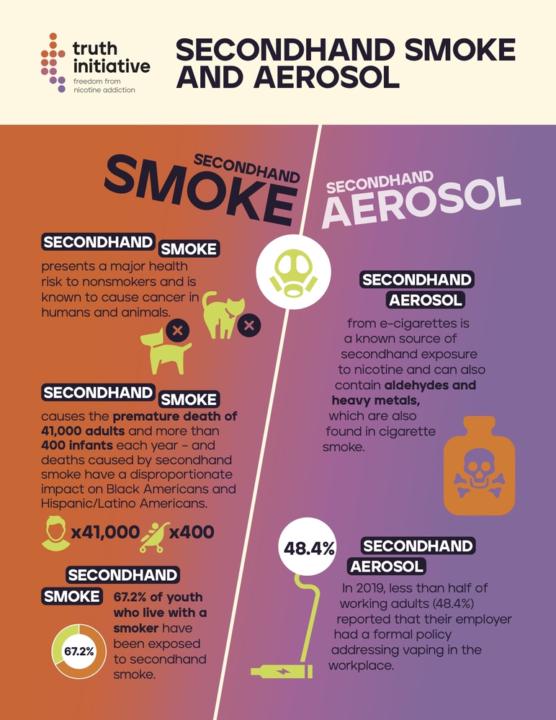
Holistic American Blog- Secondhand Vaping: What Holistic Health Circles Are Missing
Vaping is often framed as the cleaner cousin of smoking. No ash. No lingering cigarette stench. A cloud that smells like fruit instead of fire. But when we zoom out and look through a holistic health lens, secondhand vaping deserves much more scrutiny than it gets. Secondhand vapor is not “just water.” What’s released into the air is an aerosol made up of ultrafine particles that linger, travel, and get inhaled by everyone nearby. These particles are small enough to reach deep into the lungs, bypassing many of the body’s natural filtration systems. From a systems based perspective, that matters. Most vape liquids contain nicotine or synthetic nicotine, even when labeled low dose. Nicotine is a neuroactive substance. When inhaled secondhand, it can still affect the nervous system, adrenal response, and heart rate, particularly in children, pregnant women, and those with compromised detox pathways. Developing brains are especially vulnerable, and children breathe faster than adults, increasing their exposure. Beyond nicotine, vape aerosols commonly contain volatile organic compounds, heavy metals like nickel and lead, and flavoring agents that were never designed to be inhaled. Some of these compounds are known to trigger oxidative stress. Oxidative stress is not just a buzzword. It is a real biological process linked to inflammation, hormone disruption, and immune imbalance. Another overlooked layer is indoor air quality. Holistic health emphasizes clean water, real food, and low toxin living, yet indoor air is often ignored. Vape aerosols can settle on surfaces, clothing, furniture, and skin. This creates thirdhand exposure, where residues are re released into the air or absorbed through contact over time. For families trying to reduce toxic load, this quietly undermines those efforts. From an energetic standpoint, air is one of our most intimate inputs. We cannot choose not to breathe. When shared spaces contain chemical aerosols, the body must adapt constantly. That chronic adaptation can show up as headaches, respiratory irritation, anxiety, sleep disturbances, or subtle immune stress that is easy to miss and hard to trace.
Mar '24 •
Welcome! Start Here! 👇
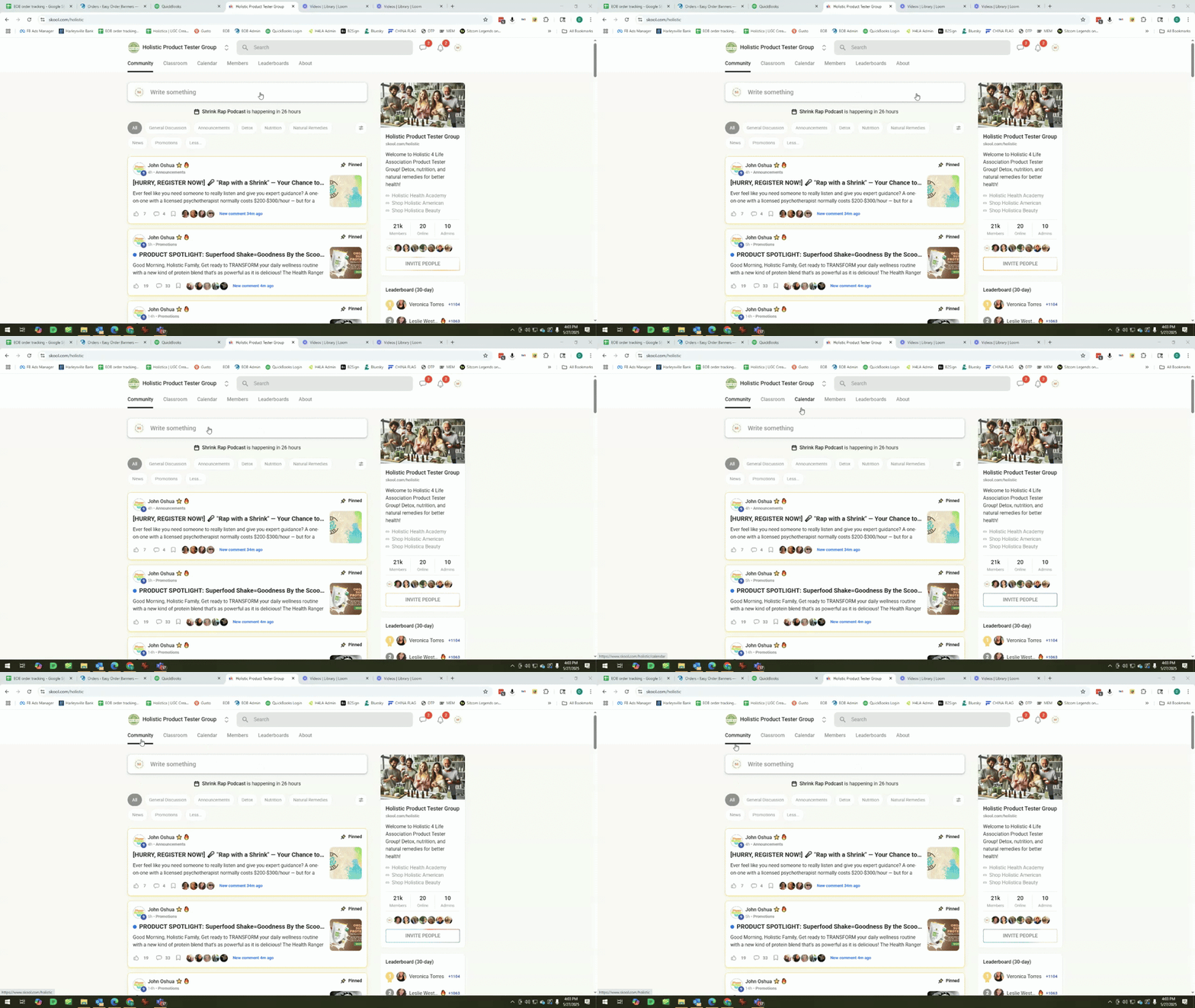
👋 Welcome to the H4LA Beta Tester Community! 👋 We’re excited to have you here! Let’s get you started with TWO quick tasks: 1. 𝗙𝗜𝗥𝗦𝗧 𝗧𝗔𝗦𝗞: Drop a quick “Hello” below so we can welcome you properly! Tell us what kind of holistic health products you are most excited about! 🎉 2 𝗦𝗘𝗖𝗢𝗡𝗗 𝗧𝗔𝗦𝗞: Watch the attached video and read through our Welcome Course (training) to get familiar with how the Beta Tester Program works! - The Classroom is where the Beta Tester Program is located. Once you go through training, you'll have no problem finding everything! - The COMMUNITY feed is where we drop freebies, recipes, discounts, product spotlights, and so much more! We encourage your comments. Please join in on the conversations! **To maintain the educational focus of this group, we kindly ask that all customer service and account-related inquiries be directed to [email protected] rather than posted in the community feed. Violators of the policy may result in removal from the group. Thank you for your cooperation and for helping keep this space dedicated to learning and growth! Let the fun begin! ⬇️⬇️⬇️⬇️⬇️
1-30 of 1,924

skool.com/holistic
Welcome to Holistic 4 Life Association Product Tester Group! Detox, nutrition, and natural remedies for better health!
Leaderboard (30-day)
1
🔥
+1183
2

🔥
+794
3

🔥
+744
4
+467
5
+399
Powered by