

⭐
🔥
13h •
💸 Wellness on a Budget: DIY Lip Balm → Save Money & Skip Chemicals
𝗧𝗵𝗲 𝗖𝗵𝗲𝗺𝗶𝗰𝗮𝗹 𝗟𝗶𝗽 𝗕𝗮𝗹𝗺 𝗧𝗿𝗮𝗽 🚫 Many store-bought lip balms promise soft, smooth lips, but they often contain: * 𝗣𝗮𝗿𝗮𝗯𝗲𝗻𝘀 and 𝗽𝗲𝘁𝗿𝗼𝗹𝗲𝘂𝗺 – synthetic chemicals that can irritate skin * 𝗔𝗿𝘁𝗶𝗳𝗶𝗰𝗶𝗮𝗹 𝗳𝗹𝗮𝘃𝗼𝗿𝘀 and colors – unnecessary additives * 𝗛𝗶𝗴𝗵 𝗰𝗼𝘀𝘁 per use – typically $3–$5 for a tiny tube ➡️ 𝗧𝗵𝗲 𝗿𝗲𝗮𝗹𝗶𝘁𝘆: You can make a safe, natural, and nourishing lip balm at home for pennies—without synthetic chemicals or empty packaging. 𝗗𝗜𝗬 𝗡𝗮𝘁𝘂𝗿𝗮𝗹 𝗟𝗶𝗽 𝗕𝗮𝗹𝗺 🌿 This simple blend keeps lips soft, hydrated, and healthy: * 𝗕𝗲𝗲𝘀𝘄𝗮𝘅 = forms a protective barrier on lips * 𝗖𝗼𝗰𝗼𝗻𝘂𝘁 𝗼𝗶𝗹 = deeply moisturizing * 𝗦𝗵𝗲𝗮 𝗯𝘂𝘁𝘁𝗲𝗿 = softens and nourishes * 𝗘𝘀𝘀𝗲𝗻𝘁𝗶𝗮𝗹 𝗼𝗶𝗹𝘀 (optional) = flavor and soothing properties (peppermint, lavender, or vanilla) 𝗗𝗜𝗬 𝗥𝗲𝗰𝗶𝗽𝗲 🧪 Ingredients (per 2 small tins): * 1 tbsp beeswax pellets * 1 tbsp coconut oil * 1 tbsp shea butter * 3–5 drops essential oil (optional) Instructions: * Melt beeswax, coconut oil, and shea butter together in a double boiler or microwave-safe bowl * Stir in essential oil if desired * Pour mixture into small lip balm tins or tubes * Let cool completely before use ⏱ 𝗧𝗶𝗺𝗲 𝘁𝗼 𝗺𝗮𝗸𝗲: 10 minutes 𝗖𝗼𝘀𝘁 𝗦𝗮𝘃𝗶𝗻𝗴𝘀 💵 * DIY: ~𝗦$0.50 per tin * Commercial lip balm: 𝗦$3–$5 per tube * Cost savings per tin: ~𝗦$2.50–$4.50 * Annual savings if used daily: ~$𝗦50–$90 💰 Mind-blowing takeaway: You can keep your lips soft all year for a fraction of the cost, with no synthetic chemicals and a product you can fully customize. What flavor or essential oil do you love in your DIY lip balm?

⭐
🔥
2d •
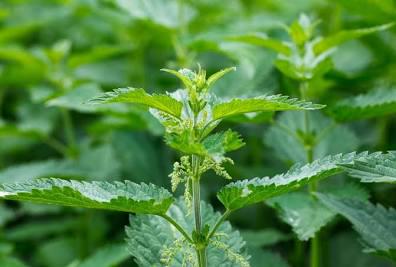
🌿 What's the Weed: Folk Remedies You Can Find Outside 🌼(Stinging Nettle)
This aggressive perennial colonizes disturbed areas, forest edges, riverbanks, and nitrogen-rich soils, often forming dense, impenetrable patches. Its serrated, heart-shaped leaves grow in opposite pairs along square stems, and the entire plant is covered with tiny hollow hairs that inject a painful, stinging compound on contact. Just brushing against it causes an immediate burning sensation that can last for hours. Most people give this plant a wide berth and curse it as a painful nuisance, yet this same "weed" is one of the most nutritious and medicinally valuable plants on earth, prized by herbalists for thousands of years. ✨ Traditional Uses: • Young spring shoots have been cooked (cooking neutralizes the sting) as an incredibly nutrient-dense wild green, rich in iron, calcium, and vitamins. • Folk healers have brewed the dried leaves into teas to support seasonal allergies, acting as a natural antihistamine. • Traditionally used as a powerful spring tonic to "build the blood" and restore vitality after winter. • Applied topically (carefully!) or in liniments to ease arthritis pain and improve circulation to sore joints. ✨ DIY Folk Remedy Recipe: Nourishing Spring Tonic Tea Gather young leaves wearing gloves (or use dried from a trusted source). Pour 1 cup of boiling water over 1-2 teaspoons of dried leaves. Cover and steep for 10-15 minutes, then strain. Drink 1-3 cups daily as a mineral-rich, allergy-supporting tonic. This earthy, slightly grassy tea has been a cornerstone of traditional spring cleansing for generations. 👇 Drop your guess in the comments, who knows this "weed"?
⭐
🔥
8d •
💸 Wellness on a Budget: DIY Antacid Tonic → Winter Digestive Swap
𝗧𝗵𝗲 𝗖𝗵𝗲𝗮𝗽 𝗔𝗻𝘁𝗮𝗰𝗶𝗱 𝗧𝗲𝗺𝗽𝘁𝗮𝘁𝗶𝗼𝗻 🚫 Many people grab over-the-counter antacids like Tums, Rolaids, or Maalox when heartburn or acid reflux strikes. They promise fast relief, but the truth is they often contain ingredients that can be harmful if used regularly: * 𝗖𝗮𝗹𝗰𝗶𝘂𝗺 𝗰𝗮𝗿𝗯𝗼𝗻𝗮𝘁𝗲 / 𝗔𝗹𝘂𝗺𝗶𝗻𝘂𝗺 𝗵𝘆𝗱𝗿𝗼𝘅𝗶𝗱𝗲 – can cause constipation, kidney stress, or interfere with nutrient absorption * 𝗦𝗼𝗱𝗶𝘂𝗺 𝗯𝗶𝗰𝗮𝗿𝗯𝗼𝗻𝗮𝘁𝗲 – excess sodium can raise blood pressure * 𝗔𝗿𝘁𝗶𝗳𝗶𝗰𝗶𝗮𝗹 𝗳𝗹𝗮𝘃𝗼𝗿𝘀 𝗮𝗻𝗱 𝗽𝗿𝗲𝘀𝗲𝗿𝘃𝗮𝘁𝗶𝘃𝗲𝘀 – unnecessary chemical exposure ➡️ 𝗧𝗵𝗲 𝗿𝗲𝗮𝗹𝗶𝘁𝘆: These quick fixes may calm the burn temporarily, but they **don’t address the root cause** and can burden your body over time. 𝗪𝗶𝗻𝘁𝗲𝗿 𝗗𝗶𝗴𝗲𝘀𝘁𝗶𝘃𝗲 𝗧𝗼𝗻𝗶𝗰 🌿 Instead of spending money on antacids, try a **natural, gentle tonic** that helps balance stomach acid safely and supports digestion: * 𝗔𝗽𝗽𝗹𝗲 𝗰𝗶𝗱𝗲𝗿 𝘃𝗶𝗻𝗲𝗴𝗮𝗿 = balances stomach pH naturally * 𝗚𝗶𝗻𝗴𝗲𝗿 = reduces inflammation, soothes digestion * 𝗛𝗼𝗻𝗲𝘆 = gently coats the stomach and supports gut health * 𝗪𝗮𝗿𝗺 𝘄𝗮𝘁𝗲𝗿 = aids absorption and comfort 𝗗𝗜𝗬 𝗥𝗲𝗰𝗶𝗽𝗲 🧪 Ingredients (per serving): * 1–2 tsp raw apple cider vinegar * 1 cup warm water * 1 tsp raw honey (optional) * Pinch of cinnamon or a few slices of fresh ginger (optional) Instructions: * Stir apple cider vinegar into warm water * Add honey and spices if desired * Sip slowly before or after meals as needed ⏱ 𝗧𝗶𝗺𝗲 𝘁𝗼 𝗺𝗮𝗸𝗲: 1–2 minutes 𝗖𝗼𝘀𝘁 𝗦𝗮𝘃𝗶𝗻𝗴𝘀 💵 * DIY: ~𝗦$0.10 per cup * Commercial antacids: 𝗦$4–$5 per bottle (~1 bottle/month) * Yearly DIY cost: ~𝗦$15 * Yearly commercial cost: ~𝗦$54 💰 Savings:~$39 per year per person, plus no chemical load and safer digestion 𝗣𝗲𝗿𝘀𝗼𝗻𝗮𝗹 𝗧𝗶𝗽: Keep a small bottle of raw apple cider vinegar in your kitchen this winter—you’ll find it useful not just for heartburn, but also for salad dressings, tonics, and general digestive support.

⭐
🔥
4d •
The Holistic American Blog: 🌬️ Ozonated Olive Oil: The Oxygen-Infused Balm Transforming Natural Skin Care
Hey Holistic Americans! ✨ Imagine a moisturizer so fresh and potent, you need to keep it in the fridge. That’s the power of ozonated olive oil, a centuries-old remedy now supercharged with modern science. This antioxidant-rich balm is crafted by bubbling pure ozone through organic olive oil, saturating it with oxygen for next-level skin therapy. Let’s explore why ozonated olive oil is becoming a must-have for anyone seeking truly natural, effective skin care—and how you can use it for everything from dry skin to blemishes, cuts, and more. What Is Ozonated Olive Oil? Ozonated olive oil is made by infusing high-quality, cold-pressed extra-virgin olive oil with medical-grade ozone gas. This process transforms the oil into a thick, unscented balm packed with oxygen, antioxidants, and anti-inflammatory compounds. Why is this special? Ozone (O₃) is a powerful form of oxygen with unique healing properties The oil becomes a stable, oxygen-rich salve that deeply nourishes and repairs skin No preservatives, fragrances, or synthetic additives—just pure, organic ingredients The Benefits: Why Skin Therapy Works Ultra Moisturizing Deeply hydrates even the driest, most sensitive skin Locks in moisture without clogging pores Leaves skin soft, supple, and glowing Heals Cuts, Scrapes, and Scars Promotes rapid healing of minor wounds, abrasions, and bug bites Reduces redness, swelling, and risk of infection Supports tissue regeneration and scar fading Clears Complexion & Acne Oxygen-rich formula helps fight bacteria and inflammation Soothes breakouts and calms irritated skin Improves texture, tone, and overall clarity Soothes Itches, Rashes, and Irritation Calms eczema, psoriasis, and dermatitis flare-ups Relieves itching and discomfort from bug bites or allergic reactions Safe for all skin types, including sensitive and allergy-prone Pure, Clean, and Unscented No stabilizers, fragrances, or unnecessary additives Vegan, gluten-free, and made from 100% organic ingredients Packaged in premium violet glass to preserve freshness and potency
⭐
🔥
9d •
Yarrow or Queen Anne’s Lace Why Knowing the Difference Matters
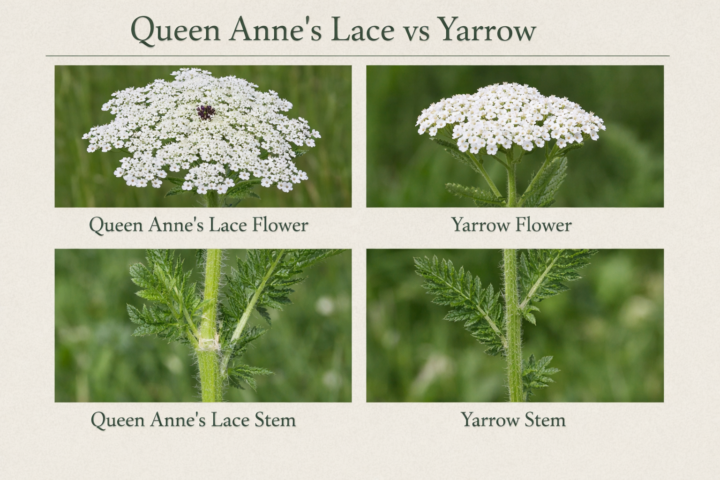
Here's a helpful guide to help your "weed" identification skills! If you enjoy walking fields, back roads, or open meadows, you have probably noticed the white flowering plants that show up every summer and look almost identical at first glance. Many people assume they are all yarrow, but that is not always the case. Two very common plants that get confused are yarrow and Queen Anne’s lace. They grow in similar places, bloom at similar times, and often stand side by side. Knowing the difference matters, especially if you are interested in herbs, foraging, or simply understanding the plants around you. What is yarrow Yarrow is a perennial herb with soft, feathery leaves that grow along the stem. When you rub the leaves between your fingers, they have a strong herbal scent that is slightly bitter and aromatic. The flowers grow in tight, flat clusters and tend to look more compact and structured. Yarrow has a long history in traditional herbal use and is commonly associated with first aid support, skin applications, and seasonal wellness. Because of its strength, it is not recommended during pregnancy. What is Queen Anne’s lace Queen Anne’s lace is also known as wild carrot. It is a biennial plant and usually grows a bit taller and more delicate looking than yarrow. The flowers form an umbrella shape rather than a flat top, spreading outward from the center. Often there is a small dark purple flower right in the middle of the white cluster. This is one of the easiest visual clues and has been remembered through folklore as a drop of blood from Queen Anne’s finger while making lace. The leaves are more carrot like in shape and the stem feels fuzzy or hairy when touched. When crushed, the plant often smells faintly like carrots. Key differences to look for Yarrow has flat flower clusters while Queen Anne’s lace has a rounded, umbrella shaped bloom. Yarrow leaves grow along the stem and are finely feathered. Queen Anne’s lace leaves are more fern like and concentrated lower on the plant. Yarrow smells herbal and sharp when crushed. Queen Anne’s lace smells mild and carrot like. Queen Anne’s lace usually has a hairy stem. This is an important safety detail.
1-30 of 261

skool.com/holistic
Welcome to Holistic 4 Life Association Product Tester Group! Detox, nutrition, and natural remedies for better health!
Leaderboard (30-day)
1

🔥
+1512
2

+1020
3

+812
4

+675
5

+662
Powered by