Activity
Mon
Wed
Fri
Sun
Feb
Mar
Apr
May
Jun
Jul
Aug
Sep
Oct
Nov
Dec
Jan
What is this?
Less
More
Memberships
HolisticAmerican-HealthAcademy
3.5k members • Free
Mohr Natural
399 members • Free
Shrink Rap
958 members • Free
Patrick's Wellness Collective
62 members • Free
Holistic Product Tester Group
29.3k members • Free
541 contributions to Holistic Product Tester Group

2d •
If Our Habits Don’t Change
The truth is, flipping the calendar doesn’t flip your life — your habits do. If you carry the same routines, reactions, and excuses into a new year, it simply becomes another year, not a new one. Change begins with awareness, choice, and courage — the courage to break cycles, to try again, and to build systems that support your best self. Take a holistic approach this year. Nourish your body with movement and good food, feed your mind with positivity, and guard your peace fiercely. The transformation you seek is waiting on the other side of consistent, intentional action. This is your moment to realign — to not just live the year, We are doing it at a good pace and one day at a time. We Cannot do it all in one day ! We have awesome resources here ! Have a great week !


🔥
6 likes • 2d
I agree, flipping the calendar doesn't flip your life, your habits do. It's a mirror, not a magic reset. That line about change beginning with awareness, choice, and courage? Pure gold. Awareness spots the cycles; choice interrupts them; courage keeps showing up even when motivation dips (because it always does). It's not about overhauling everything overnight; it's about intentional, consistent action stacking small wins into systems that make your best self the default, not the exception. This is our moment to realign, as you said, not just to "live the year," but to own it, one deliberate habit at a time.
🔥
1 like • 21h
@Tracy Penley 💯

⭐
🔥
1d •
The Holistic American Blog: 🌬️ Ozonated Olive Oil: The Oxygen-Infused Balm Transforming Natural Skin Care
Hey Holistic Americans! ✨ Imagine a moisturizer so fresh and potent, you need to keep it in the fridge. That’s the power of ozonated olive oil, a centuries-old remedy now supercharged with modern science. This antioxidant-rich balm is crafted by bubbling pure ozone through organic olive oil, saturating it with oxygen for next-level skin therapy. Let’s explore why ozonated olive oil is becoming a must-have for anyone seeking truly natural, effective skin care—and how you can use it for everything from dry skin to blemishes, cuts, and more. What Is Ozonated Olive Oil? Ozonated olive oil is made by infusing high-quality, cold-pressed extra-virgin olive oil with medical-grade ozone gas. This process transforms the oil into a thick, unscented balm packed with oxygen, antioxidants, and anti-inflammatory compounds. Why is this special? Ozone (O₃) is a powerful form of oxygen with unique healing properties The oil becomes a stable, oxygen-rich salve that deeply nourishes and repairs skin No preservatives, fragrances, or synthetic additives—just pure, organic ingredients The Benefits: Why Skin Therapy Works Ultra Moisturizing Deeply hydrates even the driest, most sensitive skin Locks in moisture without clogging pores Leaves skin soft, supple, and glowing Heals Cuts, Scrapes, and Scars Promotes rapid healing of minor wounds, abrasions, and bug bites Reduces redness, swelling, and risk of infection Supports tissue regeneration and scar fading Clears Complexion & Acne Oxygen-rich formula helps fight bacteria and inflammation Soothes breakouts and calms irritated skin Improves texture, tone, and overall clarity Soothes Itches, Rashes, and Irritation Calms eczema, psoriasis, and dermatitis flare-ups Relieves itching and discomfort from bug bites or allergic reactions Safe for all skin types, including sensitive and allergy-prone Pure, Clean, and Unscented No stabilizers, fragrances, or unnecessary additives Vegan, gluten-free, and made from 100% organic ingredients Packaged in premium violet glass to preserve freshness and potency
🔥
6 likes • 21h
Ozonated olive oil is an intriguing natural skincare often with a distinctive "ozone" or medicinal scent. As with any skin care product, start with patch testing, use sparingly, and avoid if you have very reactive skin since long-term or overuse can potentially lead to issues like increased photosensitivity (making skin more reactive to light), oxidative stress, or irritation in sensitive cases.
⭐
🔥
5d •
💸 Wellness on a Budget: DIY Antacid Tonic → Winter Digestive Swap
𝗧𝗵𝗲 𝗖𝗵𝗲𝗮𝗽 𝗔𝗻𝘁𝗮𝗰𝗶𝗱 𝗧𝗲𝗺𝗽𝘁𝗮𝘁𝗶𝗼𝗻 🚫 Many people grab over-the-counter antacids like Tums, Rolaids, or Maalox when heartburn or acid reflux strikes. They promise fast relief, but the truth is they often contain ingredients that can be harmful if used regularly: * 𝗖𝗮𝗹𝗰𝗶𝘂𝗺 𝗰𝗮𝗿𝗯𝗼𝗻𝗮𝘁𝗲 / 𝗔𝗹𝘂𝗺𝗶𝗻𝘂𝗺 𝗵𝘆𝗱𝗿𝗼𝘅𝗶𝗱𝗲 – can cause constipation, kidney stress, or interfere with nutrient absorption * 𝗦𝗼𝗱𝗶𝘂𝗺 𝗯𝗶𝗰𝗮𝗿𝗯𝗼𝗻𝗮𝘁𝗲 – excess sodium can raise blood pressure * 𝗔𝗿𝘁𝗶𝗳𝗶𝗰𝗶𝗮𝗹 𝗳𝗹𝗮𝘃𝗼𝗿𝘀 𝗮𝗻𝗱 𝗽𝗿𝗲𝘀𝗲𝗿𝘃𝗮𝘁𝗶𝘃𝗲𝘀 – unnecessary chemical exposure ➡️ 𝗧𝗵𝗲 𝗿𝗲𝗮𝗹𝗶𝘁𝘆: These quick fixes may calm the burn temporarily, but they **don’t address the root cause** and can burden your body over time. 𝗪𝗶𝗻𝘁𝗲𝗿 𝗗𝗶𝗴𝗲𝘀𝘁𝗶𝘃𝗲 𝗧𝗼𝗻𝗶𝗰 🌿 Instead of spending money on antacids, try a **natural, gentle tonic** that helps balance stomach acid safely and supports digestion: * 𝗔𝗽𝗽𝗹𝗲 𝗰𝗶𝗱𝗲𝗿 𝘃𝗶𝗻𝗲𝗴𝗮𝗿 = balances stomach pH naturally * 𝗚𝗶𝗻𝗴𝗲𝗿 = reduces inflammation, soothes digestion * 𝗛𝗼𝗻𝗲𝘆 = gently coats the stomach and supports gut health * 𝗪𝗮𝗿𝗺 𝘄𝗮𝘁𝗲𝗿 = aids absorption and comfort 𝗗𝗜𝗬 𝗥𝗲𝗰𝗶𝗽𝗲 🧪 Ingredients (per serving): * 1–2 tsp raw apple cider vinegar * 1 cup warm water * 1 tsp raw honey (optional) * Pinch of cinnamon or a few slices of fresh ginger (optional) Instructions: * Stir apple cider vinegar into warm water * Add honey and spices if desired * Sip slowly before or after meals as needed ⏱ 𝗧𝗶𝗺𝗲 𝘁𝗼 𝗺𝗮𝗸𝗲: 1–2 minutes 𝗖𝗼𝘀𝘁 𝗦𝗮𝘃𝗶𝗻𝗴𝘀 💵 * DIY: ~𝗦$0.10 per cup * Commercial antacids: 𝗦$4–$5 per bottle (~1 bottle/month) * Yearly DIY cost: ~𝗦$15 * Yearly commercial cost: ~𝗦$54 💰 Savings:~$39 per year per person, plus no chemical load and safer digestion 𝗣𝗲𝗿𝘀𝗼𝗻𝗮𝗹 𝗧𝗶𝗽: Keep a small bottle of raw apple cider vinegar in your kitchen this winter—you’ll find it useful not just for heartburn, but also for salad dressings, tonics, and general digestive support.

🔥
2 likes • 3d
@MaryAnn Fricko excellent!
🔥
1 like • 21h
@Kelly Benjamin that's correct!
⭐
🔥
22d •
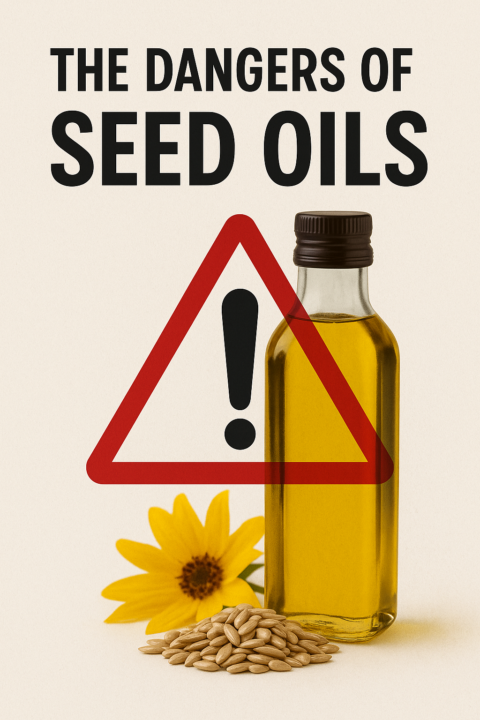
Holistic American Blog: The Hidden Dangers of Seed Oils: Why Your “Healthy” Cooking Oil May Be Fueling Inflammation
Hey Holistic Americans! For decades, we’ve been told to swap butter and animal fats for “heart-healthy” vegetable oils. But what if the oils in your pantry—canola, soybean, corn, sunflower, safflower, and more—are actually fueling inflammation, weight gain, and chronic disease? Let’s break down the science behind seed oils, the omega-6 problem, and how to make smarter fat choices for vibrant health. What Are Seed Oils? Seed oils (often called “vegetable oils”) are extracted from seeds like soybeans, corn, canola (rapeseed), sunflower, safflower, cottonseed, and grapeseed. Unlike olive oil or coconut oil, which can be pressed naturally, seed oils require heavy industrial processing; high heat, chemical solvents (like hexane), bleaching, and deodorizing. Common seed oils: * Soybean oil * Corn oil * Canola oil * Sunflower oil * Safflower oil * Cottonseed oil * Grapeseed oil * Rice bran oil The Omega-6 Problem Seed oils are extremely high in omega-6 polyunsaturated fatty acids (PUFAs), especially linoleic acid. While omega-6s are essential in small amounts, the modern diet is overloaded, often 10-20 times more than our ancestors ate. Why is this a problem? Omega-6s are pro-inflammatory when not balanced by omega-3s (found in fish, flax, chia, and pastured animal fats). Chronic inflammation is linked to heart disease, diabetes, obesity, autoimmune disorders, and even cancer. Excess omega-6s can disrupt cell membranes, hormone balance, and immune function. The ideal ratio: Traditional diets had an omega-6 to omega-3 ratio of about 1:1 to 4:1. Today, most Americans are at 15:1 or higher, driven by seed oil consumption. How Seed Oils Harm Your Health 1. Promote Inflammation Excess omega-6s are converted into arachidonic acid, which fuels the body’s inflammatory pathways. Chronic inflammation is the root of most modern diseases. 2. Easily Oxidized Seed oils are unstable and oxidize easily when exposed to heat, light, or air. Oxidized fats create free radicals, damaging cells and DNA.
🔥
1 like • 2d
@Amanda Howell can't go wrong with any of these 🙂
🔥
1 like • 2d
@Carrie Shack yes, delicious!
⭐
🔥
2d •
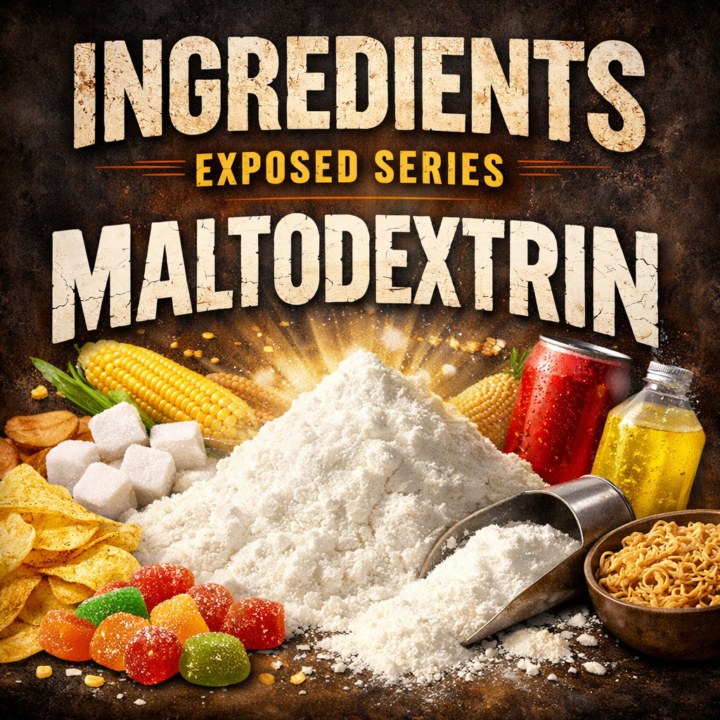
Ingredients Exposed Series: Maltodextrin
The "Complex Carb" That Spikes Blood Sugar Worse Than Table Sugar What sounds like a harmless starch or complex carbohydrate in your protein powder is actually an ultra-processed filler with a glycemic index higher than pure sugar. "Maltodextrin" isn't a whole food, it's an industrially manufactured powder created through extreme chemical and enzymatic processing that strips away all fiber and nutrients, leaving behind a blood-sugar-spiking additive that feeds harmful gut bacteria and promotes metabolic dysfunction. 𝗪𝗵𝗲𝗿𝗲 𝗬𝗼𝘂'𝗹𝗹 𝗙𝗶𝗻𝗱 𝗧𝗵𝗶𝘀 "𝗖𝗼𝗺𝗽𝗹𝗲𝘅 𝗖𝗮𝗿𝗯" Maltodextrin (listed as maltodextrin, corn maltodextrin, or wheat maltodextrin) is lurking in products throughout your kitchen: • Protein powders and meal replacement shakes • Sports drinks and "electrolyte" mixes • Salad dressings and sauces • Spice blends and seasoning packets • Sugar-free and "diet" foods • Instant puddings and dessert mixes • Artificial sweetener packets (Splenda, Equal) • Baked goods and snack bars • Canned soups and gravies • Baby formula and infant foods • Vitamins and supplements • "Healthy" snack foods and chips 𝗪𝗵𝗮𝘁 "𝗠𝗮𝗹𝘁𝗼𝗱𝗲𝘅𝘁𝗿𝗶𝗻" 𝗔𝗰𝘁𝘂𝗮𝗹𝗹𝘆 𝗜𝘀 Maltodextrin is an ultra-processed white powder created through extreme industrial processing: The manufacturing process: • Starts with GMO corn, rice, potato, or wheat starch • Acid hydrolysis - treating starch with hydrochloric or sulfuric acid • Enzymatic breakdown - using industrial enzymes to fragment starch chains • High-temperature processing - extreme heat to break molecular bonds • Chemical purification - removing residues and impurities • Spray drying - creating fine white powder What's left is a highly refined carbohydrate with: • Glycemic index of 105-130 (higher than table sugar at 65) • Zero fiber - all removed during processing • Zero nutrients - vitamins and minerals stripped away • Rapid absorption - hits bloodstream faster than glucose It's essentially pre-digested starch that requires no breakdown, spiking blood sugar instantly.
🔥
9 likes • 2d
For sure we have to avoid the ultra-rapid absorption of maltodextrin and for the best blood sugar control, prioritize whole foods over any processed carb source. I always check labels on processed items, this ingredient is sneaky in "low-fat," "sugar-free," or "natural" products indeed.
1-10 of 541

🔥
@ana-suri-2184
A perpetual student of mind-body connection. I fervently believe in holistic products for better health. Personal growth/healing happen in community.
Active 11h ago
Joined Oct 19, 2024
Powered by