
Pinned
9h •
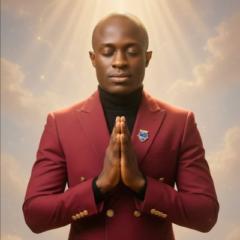
SURINAMESE VISITORS TRACING THEIR AFRICAN HERITAGE, A WELCOME IN DORMAA
SURINAMESE VISITORS TRACING THEIR AFRICAN HERITAGE, A WELCOME IN DORMAA The scene carries a deeper cultural meaning than simply a ceremonial welcome. Osagyefo Oseadeeyo Agyemang Badu II is the Paramount Chief of the Dormaa Traditional Area, and Abanpredease Palace in Dormaa Ahenkro serves as the royal seat of the Dormaa people. For Surinamese visitors tracing their African heritage, a welcome in Dormaa can be understood as a powerful moment of connection with Ghanaian history, ancestry and traditional authority. The warmth of the reception traditional protocol, the gathering of people and the palace setting helps convey the symbolism of being welcomed back to a place regarded as part of one's ancestral homeland. Osagyefo Agyemang Badu II has also spoken publicly about the importance of preserving Dormaa's history and cultural identity, making occasions that connect the traditional area with people of African descent abroad particularly meaningful.

Pinned
7d •
🌱 6-Day Grow Your Followers Challenge 14 - 19 September!🏆
We start tomorrow! I’ve just added the new Grow Your Followers Organically course to our Gold Circle Academy Classroom. https://www.skool.com/gold-circle-academy-1109/classroom/75f1d4c6 For the next 6 days, complete one lesson per day and put it into action. Don’t just watch — POST. 🚀 🏆 Complete the full course + participate in the challenge and you can win a Social Media Growth Spotlight with me. I’ll personally analyze your social media page, content, positioning and growth opportunities, create a video with my recommendations and feature your business/profile on my TikTok and Instagram for extra exposure for your business or personal brand! You don’t need the biggest following to win. I’m looking for action, consistency and implementation. 📸 Before we start: screenshot your current followers and analytics so we can compare your results at the end. Day 1 starts tomorrow. Who’s in? Comment GROW 🌱

5h •
THE 2026 NKRUMAHFEST KWAME NKRUMAH’S PAN-AFRICANISM LIVES ON
Nkrumahfest 2026 The 2026 Nkrumahfest is underway, bringing together political leaders, government officials, traditional authorities and Pan-African advocates to celebrate the life, vision and enduring legacy of Ghana’s first President, Dr. Kwame Nkrumah. 🇬🇭 Among the notable personalities at the event are Ellembele MP and Chief Convener of Nkrumahfest, Armah-Kofi Buah; NDC National Chairman Johnson Asiedu Nketia; renowned Pan-Africanist Prof. P.L.O. Lumumba; and Samia Nkrumah, daughter of the late Ghanaian leader. Also in attendance are Ashanti Regional Minister Dr. Frank Amoakohene, Western Regional Minister Joseph Nelson, former Energy Minister Matthew Opoku Prempeh and other distinguished guests. The gathering is creating space for renewed conversations about Nkrumah’s vision for Ghana and Africa — including African unity, economic independence, industrialization and the development of a stronger continental identity. Decades after his presidency, Nkrumah’s ideas continue to inspire debate about Ghana’s place in Africa and the future of the continent. 🇬🇭🌍 #Nkrumahfest2026 #KwameNkrumah #Nkrumah #PanAfricanism #Ghana #Africa #AfricanUnity

1d •
Day 4: Stop trying to be perfect!
One of the biggest things that helped me grow was simple: I stopped trying to make every post perfect. For a long time, I could have plenty of ideas and even plenty of recorded content, but that doesn’t help if the content stays on your phone. When I became more intentional about growth, I started treating social media differently. What can you post from your camera roll today!?
1
0

2d •
What Can We Learn From ISHOW SPEED?
Throwback to our first Gold Circle Masterclass. Hereby the replay for you to enjoy! Btw, what African or Caribbean creator should I cover next?👇🏽
1
0
1-30 of 593
powered by

skool.com/gold-circle-academy-1109
The community for like-minded entrepreneurs to grow their visibility, get funding and scale their business.
Suggested communities
Powered by