
Write something
Pinned

Jun 5 •
Welcome to Foundations Horsemanship
We're glad you're here. This community was created for riders, horse owners, and trainers who are committed to continual growth and better horsemanship. At Foundations, we believe good horsemanship is built on timeless principles rather than disciplines. While riders may choose different saddles, goals, and pursuits, the foundations of communication, trust, leadership, and partnership remain the same. Whether you're developing your riding skills, starting a young horse, preparing for competition, building confidence on the trail, or working through challenges with your horse, you'll find support, learning, and community here. New here? Be sure to introduce yourself and explore the community. Build Better Riders. Develop Better Horses. Where Riders Grow, and Horses Flourish.

Pinned
Jun 5 •
Welcome! Introduce Yourself 👋
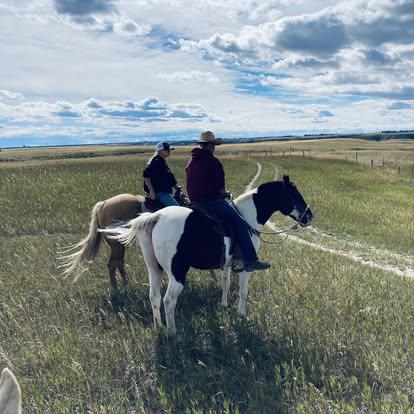
We're excited you're here. One of the best parts of horsemanship is learning from others who share the same passion for horses and personal growth. Take a moment to introduce yourself and tell us a little about you and your horses. 🐴 Your name 📍 Where you're from 🐎 Tell us about your horse(s) 🤠 What discipline(s) do you enjoy? 🎯 What is your biggest goal with your horse right now? ❓ What is one thing you'd like help with or learn more about? Feel free to share a photo of yourself and your horse—we'd love to meet you! Welcome to Foundations Horsemanship. We're glad you're here.
Pinned
Jun 5 •
How to Get the Most From This Community
Welcome to Foundations Horsemanship! Whether you're a rider, horse owner, trainer, competitor, or simply passionate about horses, we're glad you're here. Here are a few ways to get the most from this community: 📌 Start by introducing yourself in the Introduce Yourself post. 🐴 Join the conversation in Horsemanship Conversations. Ask questions, share experiences, and learn from others. 🎯 Participate in community challenges. Challenges are a great way to build consistency, develop new skills, and stay motivated. 🏆 Celebrate your wins and progress. Big or small, we'd love to hear about breakthroughs, accomplishments, and lessons learned along the way. 📚 Check the Resources section regularly for helpful information, recommendations, and community resources. Most importantly, don't be afraid to ask questions. Every horseman started somewhere, and some of the best learning happens through open conversation and shared experience. We're excited to learn and grow alongside you. Build Better Riders.Develop Better Horses. Where Riders Grow and Horses Flourish.
2
0
Aug 5 •
Sitting Centered & Rider Alignment
📝 Foundations Perspective Good rider position isn't about looking perfect. It's about creating a balanced, stable position that allows you to move with your horse instead of against them. One of the simplest ways to check your position is by asking yourself whether you could comfortably stand up in your stirrups and then softly sit back down again. If standing and sitting feels difficult, something in your alignment is probably asking your body to work harder than it needs to. Breathing can help too. As you take a deep breath in, allow your spine to lengthen and gently set your shoulders back. As you exhale, let your shoulders soften and relax downward while maintaining a flat lower back. Rather than forcing yourself into position, let your breathing help organize your body. When your shoulders, seat, and legs work together, your body becomes more balanced and your horse benefits from a rider who is easier to carry and clearer to understand. At Foundations, we don't see rider position as something to memorize. We see it as something to feel. The better your body feels, the more naturally your position will improve. ⭐ Key Takeaways - Balanced riders create better communication. - Standing and sitting is a simple way to check your alignment. - Your breath can help organize your posture without creating tension. - Relaxed shoulders create a more effective rider than rigid shoulders. - Rider position should feel balanced, stable, and natural. 🐴 Try This on Your Next Ride At the walk, take a deep breath in and gently lengthen your spine. Allow your shoulders to move back comfortably. As you breathe out, let your shoulders soften and relax while maintaining a flat lower back. Then practice standing and sitting several times. Notice whether your legs naturally settle underneath you and whether your balance feels more centered afterward. 📓 Reflection Think about your own riding. - Does your position feel balanced, or are you constantly adjusting? - What happens to your shoulders when you become focused or tense? - How does your breathing affect your posture? - When you stand and sit, do you return to the same balanced position each time?

13d •
Connection & Liberty Clinic
Connection begins long before the halter comes off. Join Foundations Professional Equine for a two-day Connection & Liberty Clinic focused on developing clearer communication, greater trust and a more genuine partnership with your horse. Through groundwork and liberty exercises, participants will explore: • Reading their horse’s body language and focus • Using energy, position and timing more intentionally • Developing draw, drive and connected movement • Building consistency without losing softness • Staying connected through transitions and changes of direction This clinic isn’t about tricks or shortcuts. It’s about learning how to communicate in a way your horse can understand—and creating the kind of connection that carries into everything else you do together. 📅 October 17–18, 2026 ⏰ 8:30 a.m.–4:30 p.m. both days 📍 Lethbridge Therapeutic Riding Association Arena 💰 $450 per participant 👀 Auditors attend free Register online: https://www.foundationsproeq.com/clinics-lessons You can also call or text: Amber: 403-795-1008 Jay: 403-332-1135 Or email [email protected]. Where Riders Grow and Horses Flourish #FoundationsProfessionalEquine #ConnectionAndLiberty #LibertyHorsemanship #HorseTraining #Lethbridge #AlbertaHorses
2
0

1-30 of 35
powered by
skool.com/foundations-horsemanship-6483
Building better riders and developing better horses through practical horsemanship, meaningful partnerships, and lifelong learning.
Suggested communities
Powered by