
Write something

Jan 31 •
Welcome! Introduce yourself + share a pic of your workspace 🎉
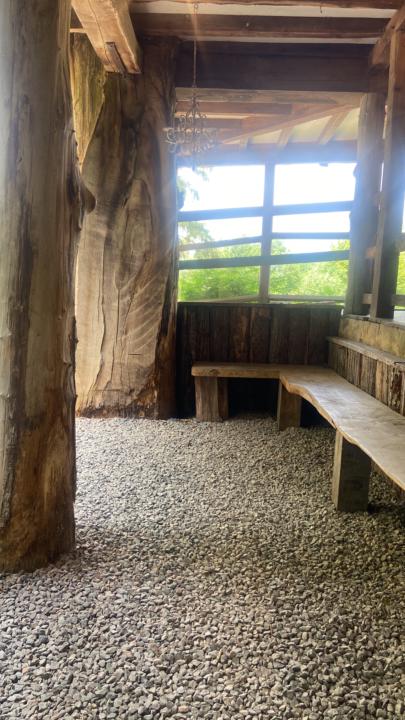
Let's get to know each other! Comment below sharing where you are in the world, a photo of your workspace, and something you like to do for fun. 😊 As for myself, as I write this I am @ my local train station waiting to collect a couple o students. I am based in the Garden of England (Kent). Most of All.. I like practicing the Arts and the Sciences ie. Working, for Multiple (Fun) 🤓
1d •
Do You Feel Safe?
The idea of seven levels of consciousness is a powerful map to understand how human beings move from unconscious reaction to intentional living. It’s not “spiritual fluff”; it’s a way to describe how the brain, nervous system, and body co‑organise around different kinds of internal signals. At the lower levels, life is often driven by: Fear and survival pressure Unconscious conditioning Blame and externalising Habitual emotional loops From a neuroscientific perspective, this is the amygdala‑dominant brain and body: hypervigilant, scanning for threat, rehearsing old stories, and organising behaviour around what feels safe rather than what’s actually true. The brain is doing its job in a rigid way, it’s extremely efficient, but it’s not evolving. At the higher levels, you see: Clarity and discernment Self‑reflection and responsibility Compassion and empathy Inner freedom and choice This is the prefrontal cortex and limbic system in a more integrated, flexible state: the brain is no longer locked in survival mode. It can pause, regulate, re‑evaluate, and choose. Consciousness is not just “thinking positive”; it’s the brain’s capacity to update its internal model of reality, and the nervous system’s capacity to feel safe enough to change.
Feb 12 •
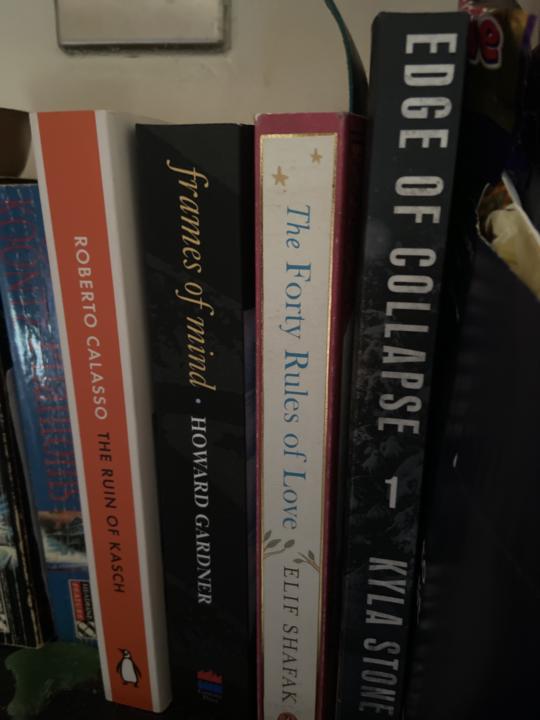
Share Good Books Here
I have so many books on my Bucket list If we post recommendations on this here post; we can make the most of this community by taking up the READING then offering a round up summery of our own take on the topics within. Saving many readers here, many hours of study
3d •
My Empty Bowl FB Group
Face Book 📖 Just follow the link and join a special Community of like minded individuals https://www.facebook.com/profile.php?id=61583766683511
0
0
1-25 of 25
Suggested communities
Powered by