

14h •
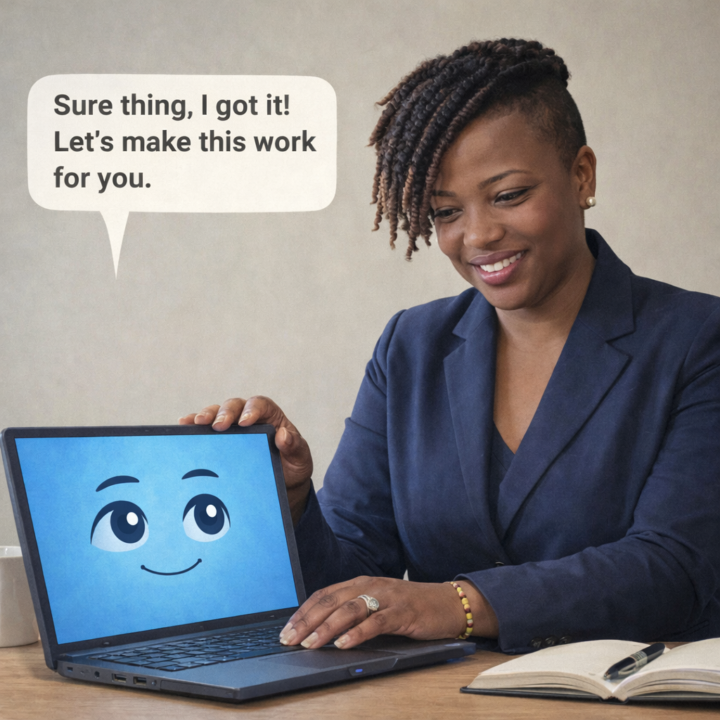
😁Fun Prompt -- ARE YOU BEING NICE TO AI?
Prompt: can you create an image of me depicting our relationship together and how I treat you. Drop results in comments lol...👇 This is an AI kindess CHECK - even thought I always tell it to tell me the truth, dont like, dont make it up, reason from facts, challenge assumptions...lol thx Dallas for inpiring me to create this
1d •
Wispr Flow is 🔥
Have any of you tried this app as yet? I am loving using Wispr flow to dictate instead of typing manually. Its saving me so much time and headache from trying to retype and correct mistakes when I'm typing. I can just talk just like this in natural tone, and it captures what I'm saying in any app that I'm using or any website. It's awesome. You guys can try it using the link below. ☺️👇 HERE
7d •
Openclaw AI Agent 😞
I see alot of folks now reconsidering what this AI Agent might do to our data, our digital security networks, jobs etc., I will have more content on this in the next few days. Check out my video on IG and drop a 🦞 in the comments so I can follow you back ----->>>>> https://www.instagram.com/reel/DURGsoGDDVF/ FYI - Openclaw was Moltbot and before that it was Clawbot. What do you think of this new AI Agent? Do you still want to try it?👇
9d •
Claude Skills - do you know how to use it?
Check out my latest video where I breakdown Claude Skills for you.
12d •
🤖Keep your data safe when using AI
Here's a AI data security checklist I put together a while back. I've just added safety tips for using the new Clawdbot/Moltbot AI agent. Grab it 👇 HERE
1-30 of 184

skool.com/digitalroadmapaiacademy
Turn AI from overwhelm into a clear system that runs your business, frees your time, and lets you focus on the work that actually moves the needle.
Leaderboard (30-day)
1

🔥
+79
2

+74
3

+65
4

+61
5

+59
Powered by