
Write something
Pinned

⭐
🔥
19h •
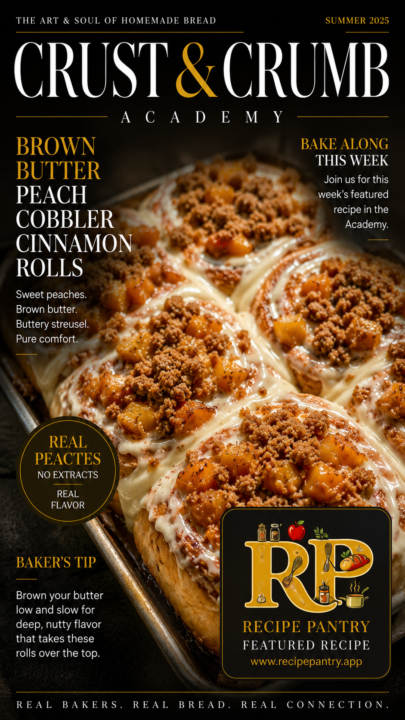
🍑 This Week’s Bake: Brown Butter Peach Cobbler Cinnamon Rolls 🇺🇸
Well, we survived Croissant Week. 🥐👏 All that lamination, all those butter layers, all that patience. You all showed up and did the hard thing, and I couldn’t be prouder of the folds that came through this kitchen. Now it’s time to let summer all the way in. ☀️🍑 This week we’re baking Brown Butter Peach Cobbler Cinnamon Rolls, and this one’s personal. I’m a South Carolina boy. Down here in the Deep South, peach cobbler isn’t just dessert. It’s a staple and a delicacy both at once. It’s the thing that shows up at the church supper, the Sunday table, and the family reunion, and everybody’s grandmother swears hers is the best. That cobbler is in my bones. 🧡 So I did what I always end up doing. I took something I grew up loving and turned it into something we all already know by heart, the cinnamon roll. Peach cobbler on the inside. Pillowy roll on the outside. Brown butter running through the whole thing. And a streusel top that’ll have your house smelling like a Carolina summer. 🔥🍑 And I’ll be honest, this one came out of my daughter Payton. She’s always challenging me, always poking at me to take it one step further. Don’t play it safe, Dad. So here we are. Cobbler in a cinnamon roll. That’s a Payton bake if I ever made one. ⭐ No fresh peaches where you are yet? Don’t worry. Frozen and canned work great, and I’ll walk you through every swap this week so nobody gets left out. Here’s the recipe so you can look it over before Saturday: https://pantry.bakinggreatbread.com/recipes/brown-butter-peach-cobbler-cinnamon-rolls The sourdough version: https://pantry.bakinggreatbread.com/recipes/sourdough-brown-butter-peach-cobbler-cinnamon-rolls?utm_source=skool&utm_medium=community&utm_campaign=recipe-share We bake together Saturday morning. 🇺🇸🍑
Pinned
⭐
🔥
8d •
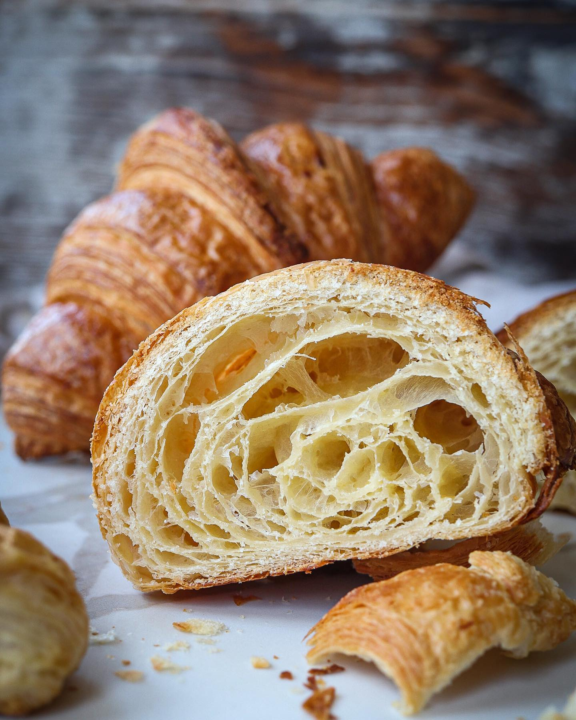
This Saturday's Bake-Along is CROISSANTS. 🥐
🥐✨ This Weekend We Laminate ✨🥐 Alright, you all asked for it... so we're doing it. Now before anybody panics, I want you to think about where you've already been. This isn't some giant leap. It's simply the next step on a staircase you've already been climbing. 🧈 Remember Brioche Week? That's where you learned to handle butter. Adding it one piece at a time. Watching for the break. Keeping it cool so it works with the dough instead of against it. That was your foundation. 🥮 Then came Babka. You learned that cold, firm butter holds its shape, while warm butter melts into the dough and ruins your layers. Classic Sourdough Croissant: https://pantry.bakinggreatbread.com/recipes/sourdough-croissants Yeasted Croissant: https://pantry.bakinggreatbread.com/recipes/classic-french-croissants Keep the butter cold. Keep the layers distinct. Sound familiar? That's lamination in plain clothes. 🦓 Then there was Zebra Bread. Stack. Fold. Roll. Repeat. Every fold multiplied the layers. Chill before you roll. Go easy on the flour. Roll it with confidence. You've already done those movements with your own hands. ✨ Croissants are simply all three of those skills coming together. 🥐 Butter control from brioche. 🥐 Cold butter creating layers from babka. 🥐 Fold-and-roll technique from zebra bread. You're not starting from scratch. You're putting together things you already know. ❤️ We're gonna go slow, one fold at a time, and I'll walk you through every single step. 🛒 Before Saturday, gather a few things: 🧈 Good butter. The higher the butterfat, the better. European-style if you can find it. 🌡️ A cool kitchen, if you've got one... and a little patience. ⚖️ Your digital scale, because we're weighing everything. Bring your questions. Bring your nerves. Bring your butter. By Saturday afternoon you'll be holding something flaky, buttery, and golden that you made with your own two hands.
⭐
🔥
11h •
What’s a Tangzhong, and why bother?
That little pot of paste cooking on the stove is the secret to cinnamon rolls that stay soft for days, not hours. Here’s what’s happening. When you cook flour and milk together, the starches gelatinize and grab onto water. That trapped moisture stays locked in your dough through the bake, so your rolls come out tender and pillowy and they hold that softness long after they’ve cooled. In this case, for this recipe, I’m using 125 mL of whole milk and 25 g of bread flour. I then heat it gently, stir constant until it thickens into a paste. Two, three minutes and you’re done. Cool it all the way before it goes near your dough, and you’re set. This is the technique we are using in the brown butter peach cobbler cinnamon rolls we’re baking for the bake-along this week, streusel topping and all. Simple move, big payoff. Perfection is not required. Progress is. ~ Henry ⭐🔥


9h •
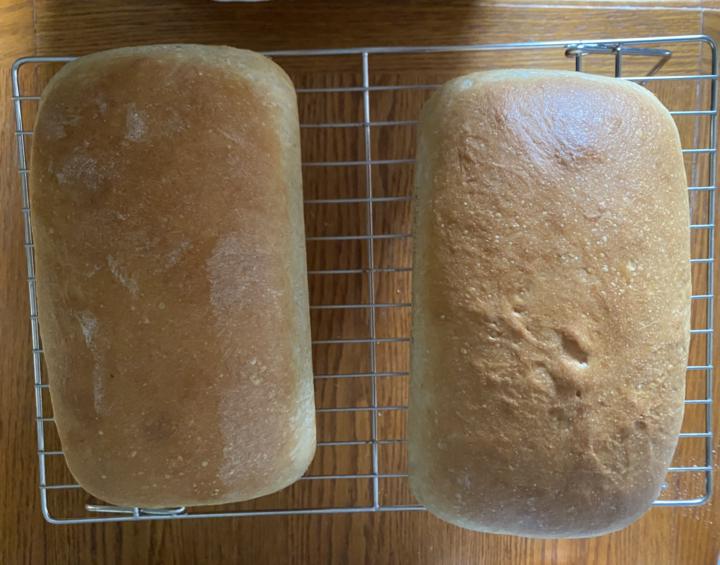
Sprouted spelt addition
Having never tried spelt, I decided to add 10% sprouted spelt to my sandwich bread, and I really liked it, i smelled great, and had a mild nutty flavour. It took a long time to reach windowpane, but that was baker error, I knew to add vital wheat gluten, and forgot it. I also substituted whey(yogurt) for the water.
⭐
🔥
6h •
Why Brown Butter Matters (and Why Nobody Talks About It)
You just watched something most bakers skip over. The butter went from pale and melted to foamy, then quieted down, turned amber, and started smelling like toasted nuts. That’s not just a color change. That’s chemistry. Here’s what’s happening. Butter is mostly fat, but it’s got milk solids suspended in it, the proteins and the milk sugars. When you heat it, the water boils off first. That’s the foam you saw, all that violent action. Once the water’s gone, those milk solids sink to the bottom of the pan and sit there in the hot fat. That’s where the magic is. Those milk solids brown. Not burn, brown. There’s a difference, and it matters. Browning is the Maillard reaction, the same thing that makes a good crust on bread or a sear on meat. It creates hundreds of new flavor compounds. Nutty, toasty, a little bit caramel-like. That’s not in regular butter. You have to make it. And you have to be careful at the end. The line between brown and burnt is about thirty seconds. You watch for the color to go amber, honey colored, not dark, and the smell to go nutty without turning acrid. The moment you hit that, off the heat. It keeps cooking in the pan for another few seconds after you kill the flame, so pull it early. Here’s where the freezer comes in. Once your streusel is mixed and firm from the cold, that temperature difference is your secret weapon. Cold streusel hitting a hot oven creates contrast. The outside crisps up fast while the inside stays clumpy. That’s the cobbler crumb texture. If you skip the freeze and go straight in warm, the butter melts too fast and you lose the bite. Five to ten minutes in the freezer while your rolls are finishing their proof, then scatter it on top right before they go in. That’s the move. Why does this matter for cinnamon rolls? Because that nutty, toasted flavor in the brown butter goes into your streusel, and the texture from the cold-to-hot contrast makes the whole roll taste and feel more sophisticated. It’s not just sweet anymore. It’s got depth and crunch. It’s the difference between a roll and a roll.

1-30 of 2,209
powered by
skool.com/crust-crumb-academy-7621
#1 Sourdough Community on Skool 🍞
Coaching, not judgment. Sourdough, starter, yeasted, enriched & every bread between.
✅ ProveWorth Certified ⭐⭐⭐⭐⭐
Suggested communities
Powered by